
PET is the abbreviation for polyethylene terephthalate, a thermoplastic polyester, and one of the most widely used engineering plastics in the world.
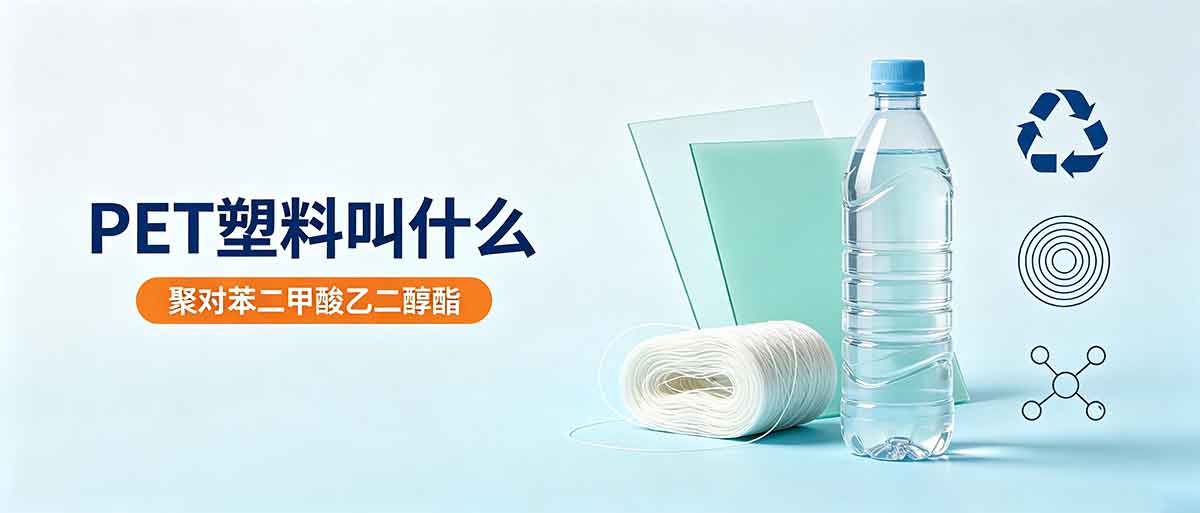
The mineral water bottles in your hand, the transparent containers for cooking oil, and the polyester (polyester) clothing you wear are all primarily composed of PET. Its scientific name might sound complicated, but you just need to remember that it's a type of...Safe, transparent and high strengthPolymer materials.
1. What is the essence of PET material?
From a chemical perspective, PET is a polymer made from terephthalic acid (PTA) and ethylene glycol (EG) through a polycondensation reaction. In materials science classification, it belongs to the crystalline saturated polyester category. This means that its molecular chains are regularly arranged, giving the material excellent physical properties. Its melting point is typically between 250-260℃, and its long-term service temperature can reach 120℃.
2. Core Features and the Answer to "Is it secure?"
The answers to your most pressing security concerns are as follows:Pure PET is non-toxic, odorless, and resistant to acid and alkali corrosion, making it a material that fully meets food contact safety standards. This is why it is widely used in drinking water and beverage packaging worldwide. However, there is one ironclad rule that must be followed:PET is not heat resistantIts glass transition temperature is approximately 70-80℃. Therefore, it is only suitable for holding liquids at room temperature or low temperature. It is strictly forbidden to use it for heating in a microwave oven or filling it with boiling water, otherwise trace amounts of harmful substances may be released at high temperatures.
3. Classification by Main Uses
Depending on the processing method, PET has two main industrial applications:
-
Fiber-grade PET (polyester)This is the largest user of PET, accounting for over 60% of global consumption. It is produced by melt spinning into polyester staple fibers or filaments, which are used to make clothing, home textiles (curtains, carpets), and industrial fabrics (conveyor belts, safety belts).
-
Bottle-grade PET (polyester bottle)Made through injection molding-stretching-blow molding, these are the mineral water bottles, carbonated beverage bottles, and cooking oil bottles we see every day. They have excellent gas barrier properties, effectively maintaining the carbonation content of beverages.
-
Film-grade PETIt is used to make biaxially oriented PET films, which are widely used as printing substrates, audio and video tape bases, and capacitor insulating media due to their excellent electrical insulation and dimensional stability.
4. Current Status of Recycling and Environmental Protection
PET is one of the plastics with the most comprehensive recycling system in the world. Recycled PET bottles (commonly known as RPET) can be reused to manufacture non-food contact packaging, textile fibers (recycled polyester), and even automotive interiors after being cleaned, crushed, and granulated. When disposing of waste PET items, please look for the triangular recycling arrow symbol on the bottom of the bottle and put it in the recycling bin. This is the most direct contribution to resource recycling.
5. Clarification of Common Misconceptions
There is a common belief that "frozen PET bottles release dioxins." This is...UnscientificDioxins are typically produced by the incomplete combustion of chlorine-containing materials (such as PVC). PET does not contain chlorine, and its freezing environment (0-5℃) is far below its safe operating temperature; its molecular chains are extremely stable and will not release harmful substances. You only need to follow...Use at room temperature; single-use only, no expiration date.The principle is sufficient.