The Science of Wholesale Transparent Acrylic Board: Why is t
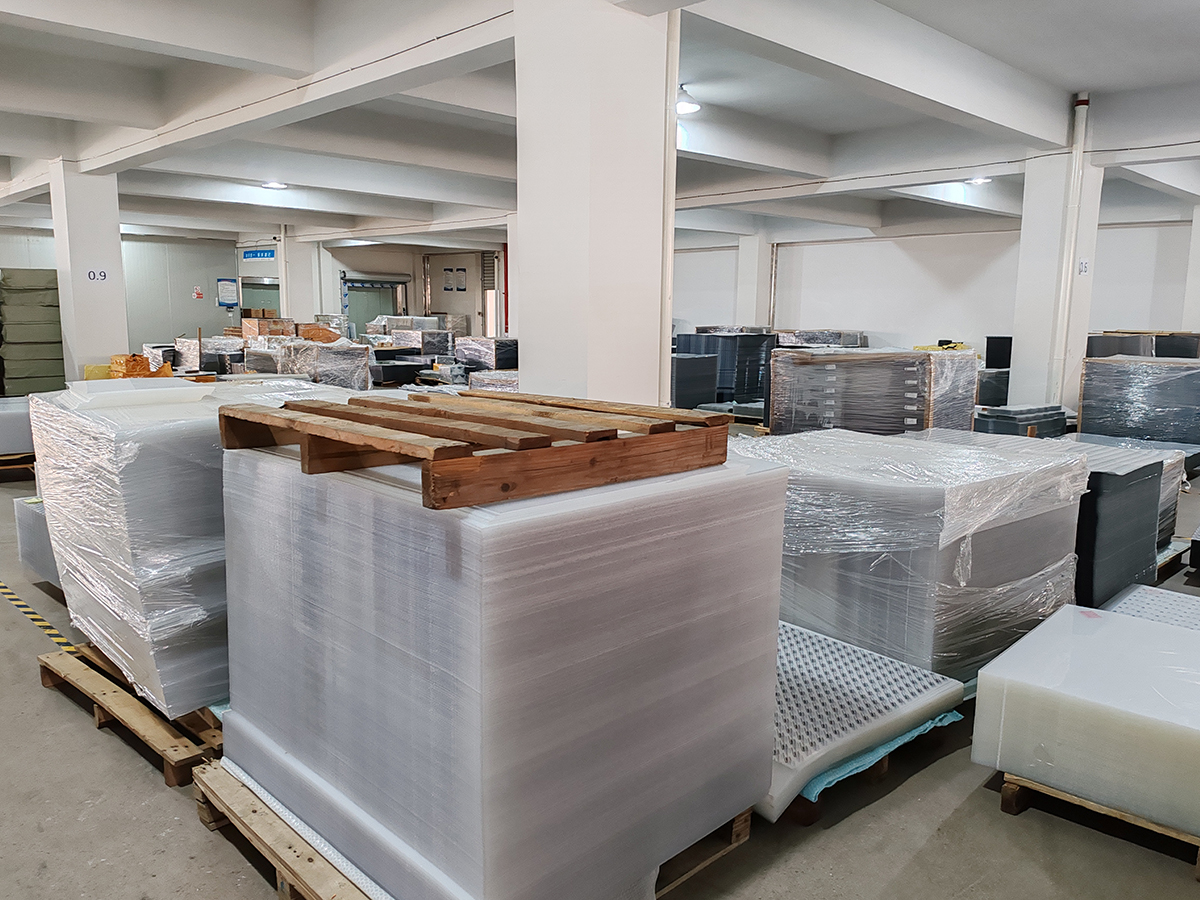
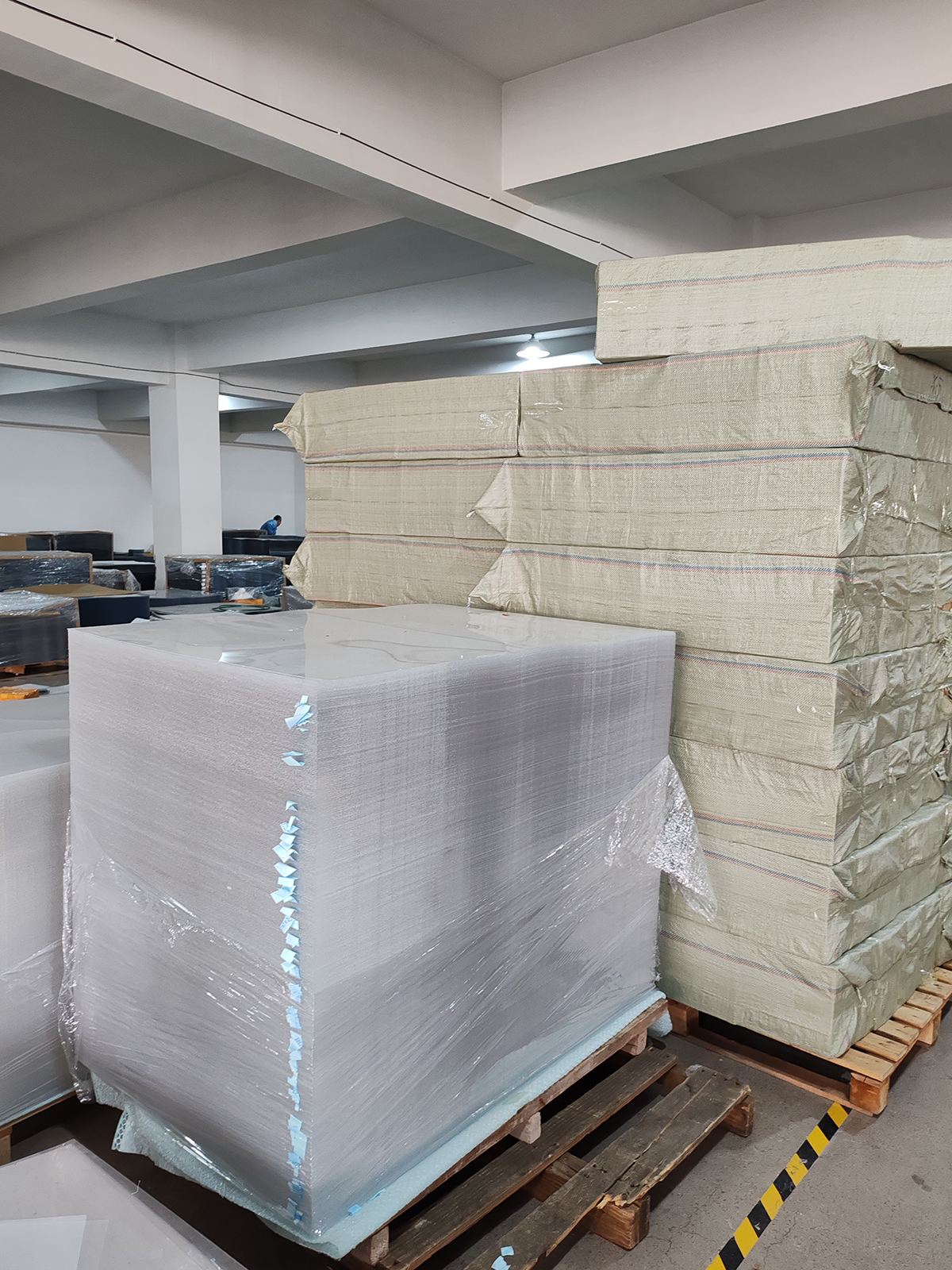
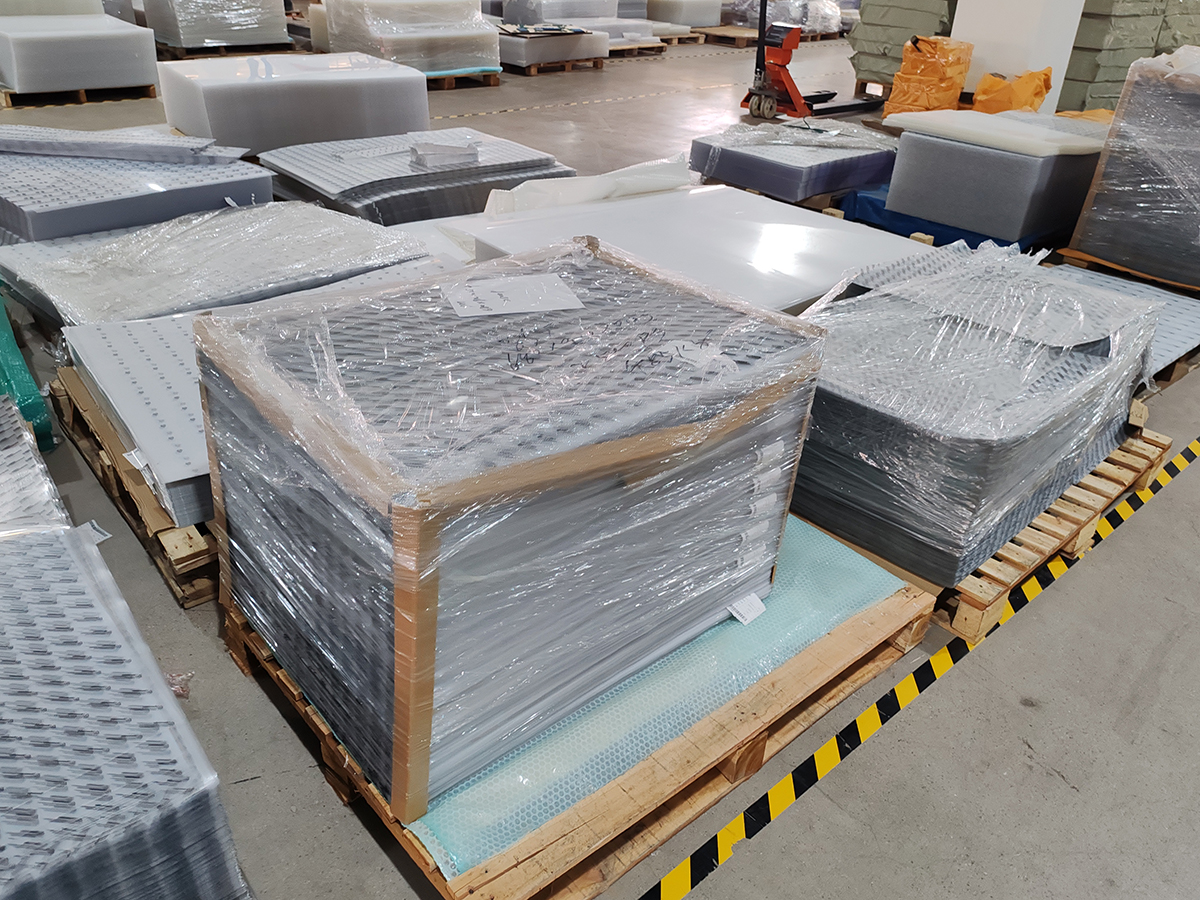
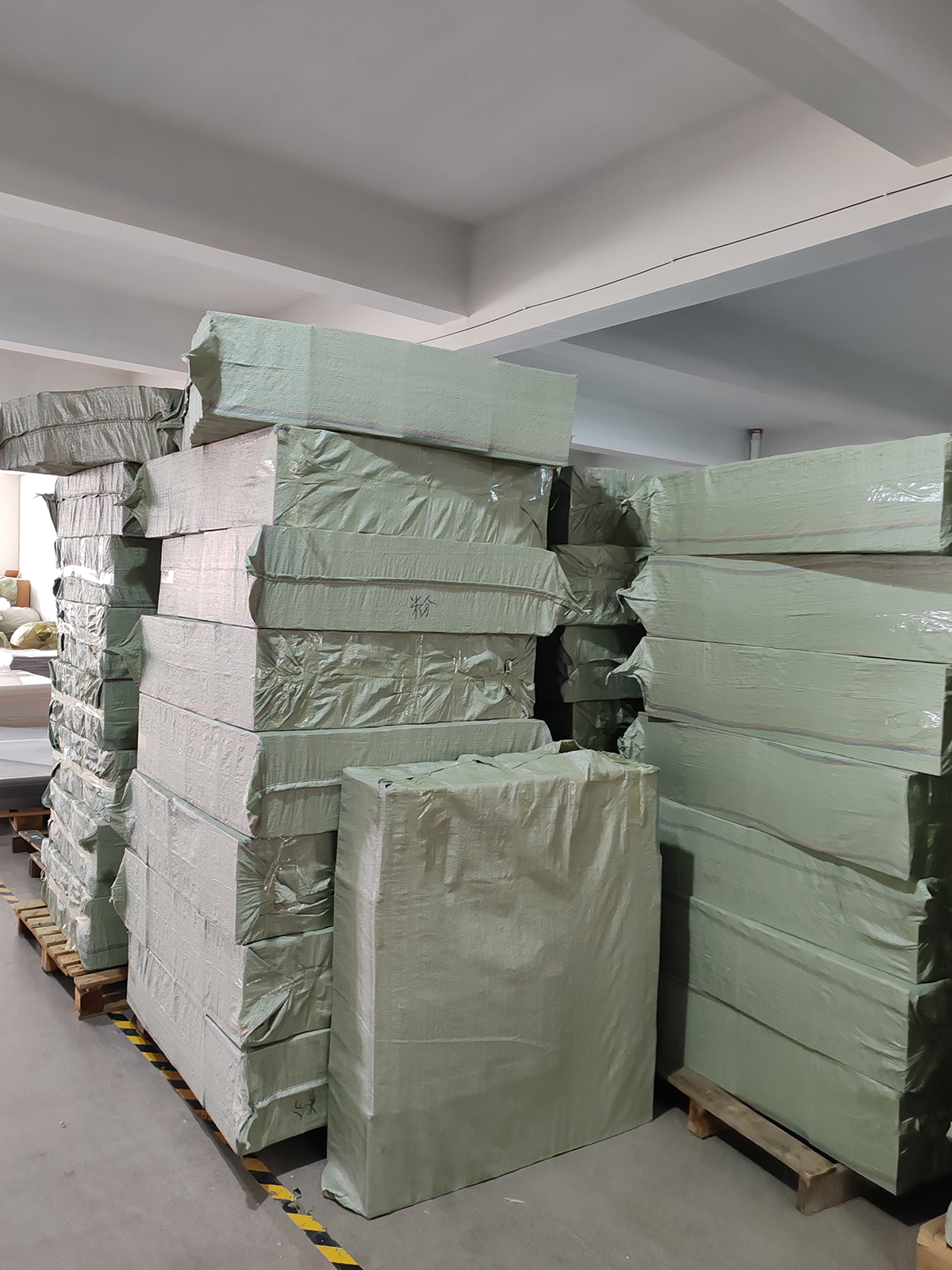
$1.15 available: In StockQuick Overview: Zhejiang Yifang New Materials, with 20 years of production and processing, international standards, and a daily output of 70 tons.
The Science of Wholesale Transparent Acrylic Board: Why is the Price Difference between "Casting" and "Extrusion" Far More Than Just the Process?
When searching for "wholesale price of transparent acrylic sheets", you will repeatedly encounter two terms: Cell Cast and Extruded. Most explanations remain at the level of process description, but as a wholesaler, you need to understand the profound performance and cost economics behind it. Choosing the wrong option not only wastes budget, but also damages your product. This article will decode the "genetic differences" between these two materials and tell you how to make the most economical wholesale choice.
Imagine a casting plate being like a uniformly dense block of ice, while an extrusion plate is like a stack of tightly pressed layers of pastry.
Cell Cast: Slowly polymerized in a mold, with extremely high molecular weight and tightly cross-linked molecular chains. This endows it with higher surface hardness (more scratch resistant), superior chemical resistance (resistant to cleaning agents and alcohol), a wider thickness range (can be from thin sheets to several inches thick plates), and unparalleled edge polishing effect (can be polished to crystal like transparency).
Extruded board: formed by machine heating and extrusion, with relatively low molecular weight and weak directionality. This gives it excellent dimensional stability (with minimal thickness tolerance on the entire board), superior thermoforming performance (with more uniform softening when heated), and a more competitive unit price.
Is overpaying for casting boards a waste? If the products you wholesale are retail display racks that require frequent wiping, high-end cosmetics displays, or labels that require heavy edge polishing, then the durability and aesthetics of the casting board are sufficient reasons for its high unit price. Using extruded plates instead will result in scratches and corrosion by chemicals, leading to higher long-term costs.
Is it smart to spend less money on extruded boards? If the products you wholesale require a large number of uniformly hot bent lampshades, large screen printed billboards, or lightweight protective covers as internal components, then the stability, ease of processing, and price advantage of extruded boards make them an undisputed winner. Forcefully using cast plates will only unnecessarily increase your costs.
We will not simply ask you what you need, but will delve into your processing method, end use, and budget. Based on this, our system will provide scientific advice:
Scenario A: "We are making a thick plate aquarium. ”Strongly recommend casting plates. Reason: Thick plate strength, ultimate clarity, edge polishing requirements.
Scenario B: "We mass produce LED lightbox panels of uniform size. ”→ Recommended extruded board. Reason: The absolute uniformity of thickness ensures uniform luminescence and significant cost optimization.
Scenario C: "We need some scratch resistance to make store display boxes, but our budget is limited. ”→ Continuous casting plates may be recommended. Reason: The perfect balance between performance and price.
| product type | pet、ps、acrylic、acrylic mirror、pvc sheet,acrylic sheet |
| thickness | 0.35-300mm |
| Styles | 1220*2440,1220*1830,500*900,50*60,960*1950,700*900/Customization of various specifications and sizes |
| delivery time | 5-8day |
| manufacture | Yifang |
related products