How to evaluate your next Chinese acrylic sheet factory like
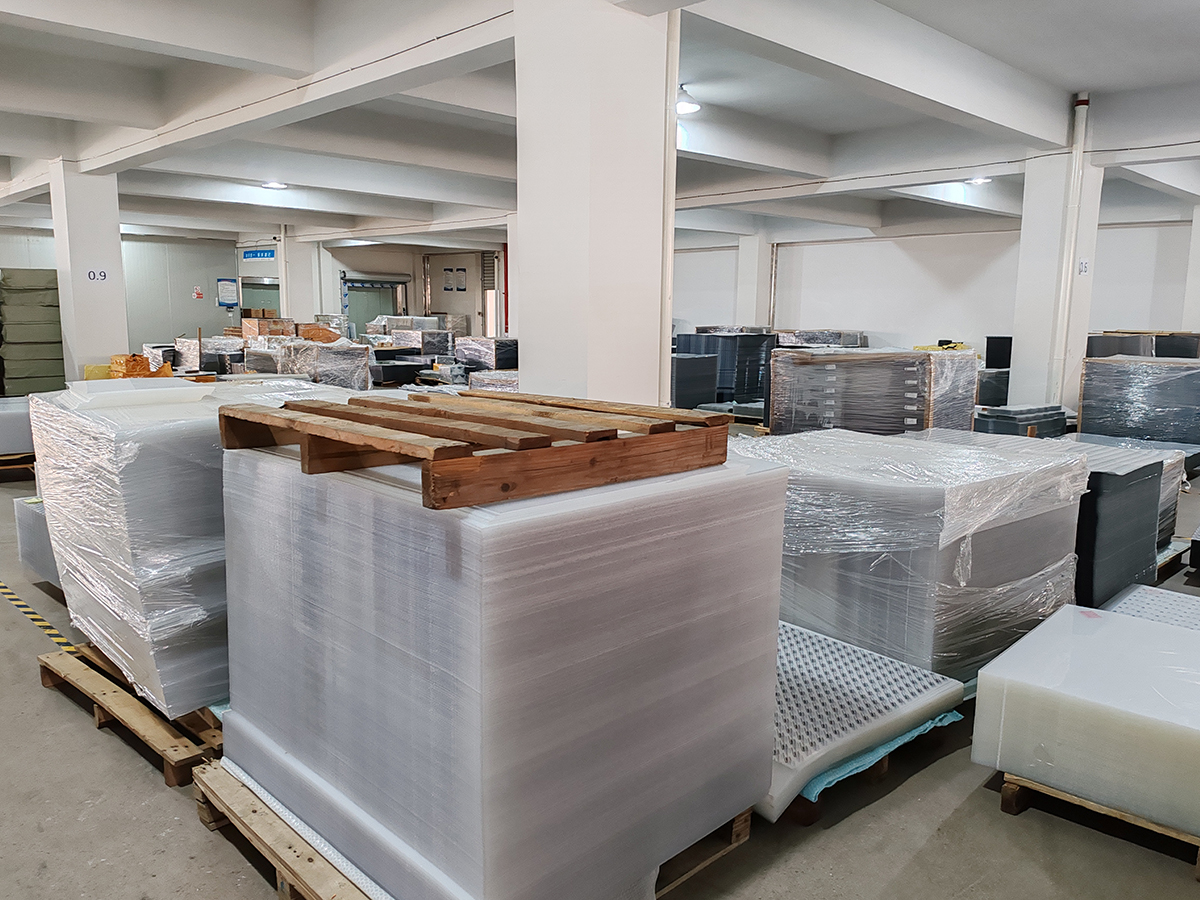
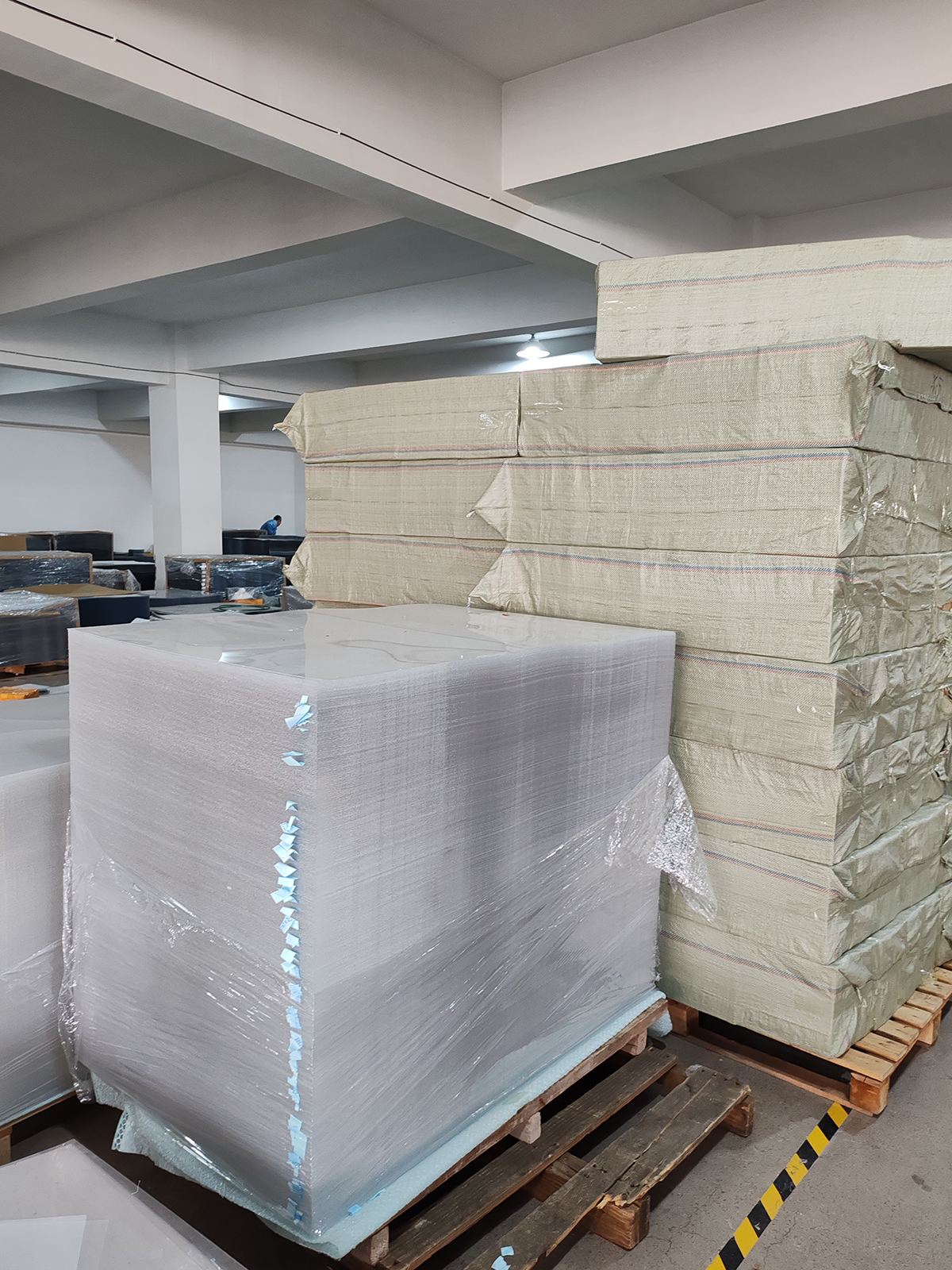
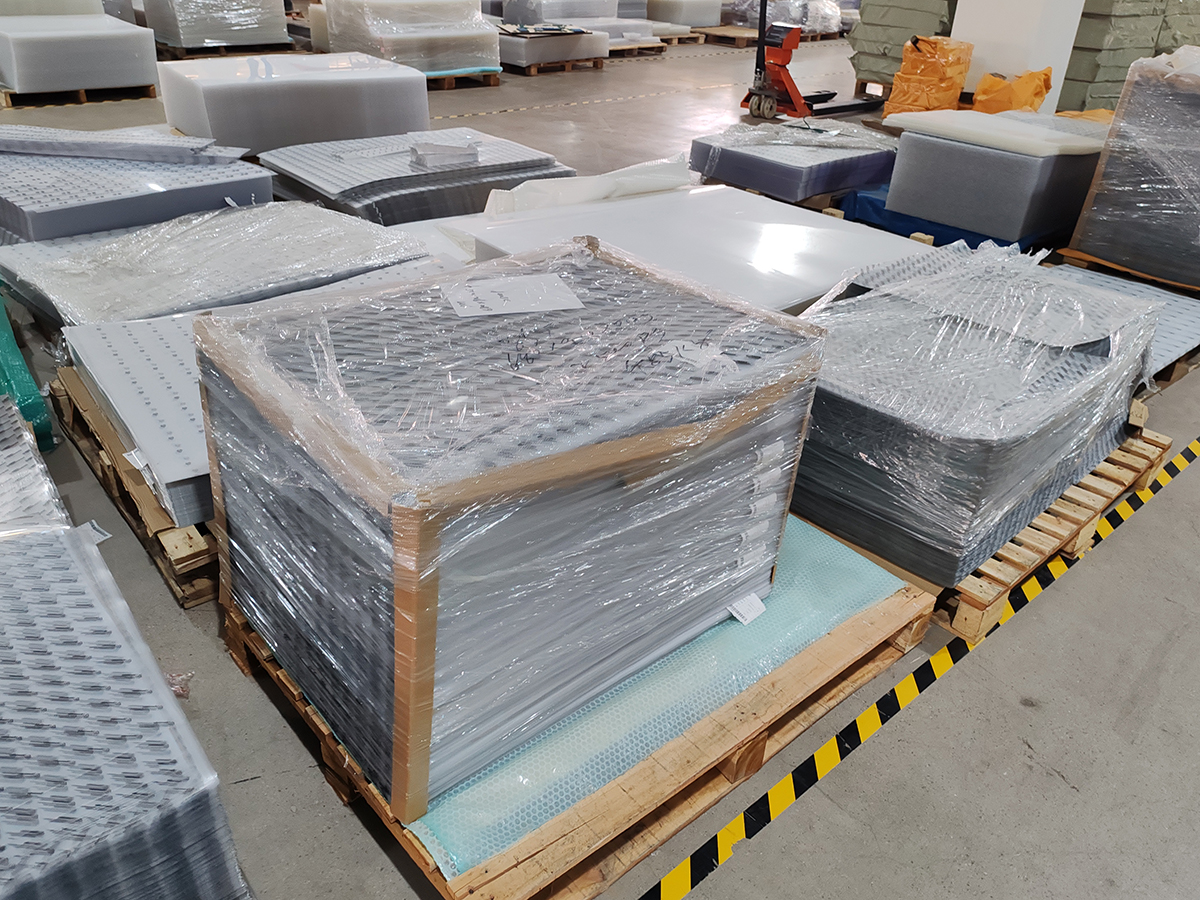
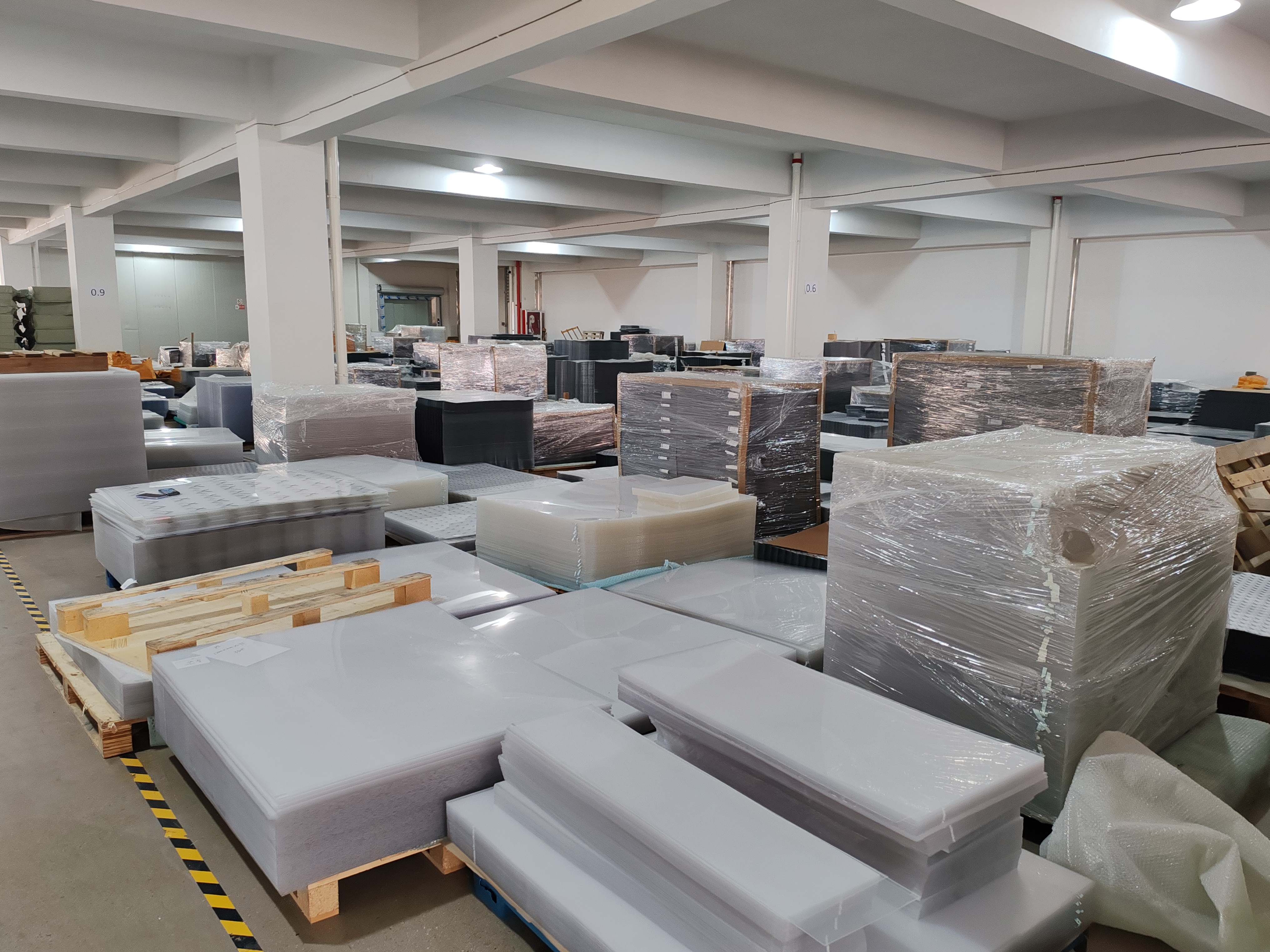
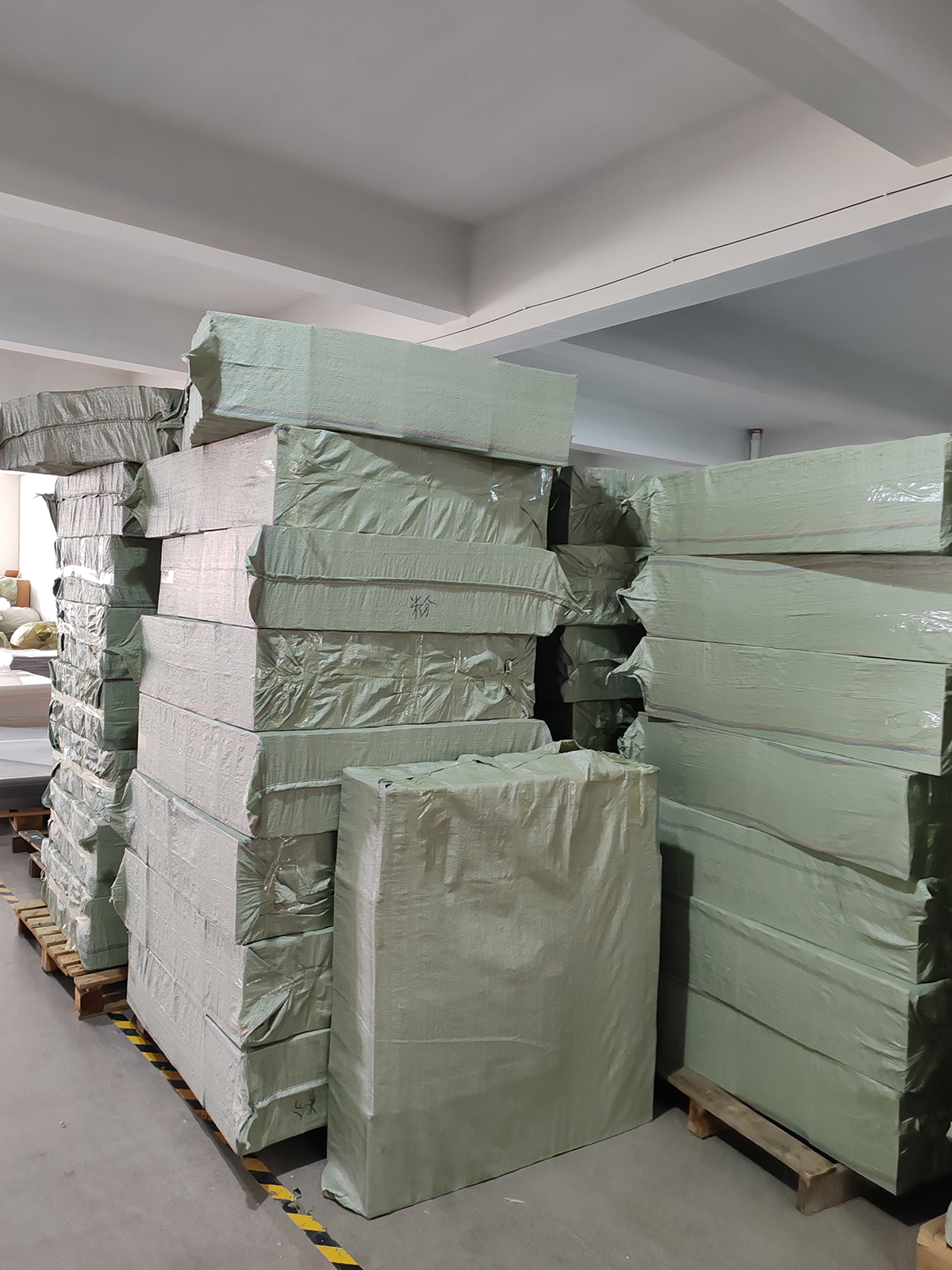
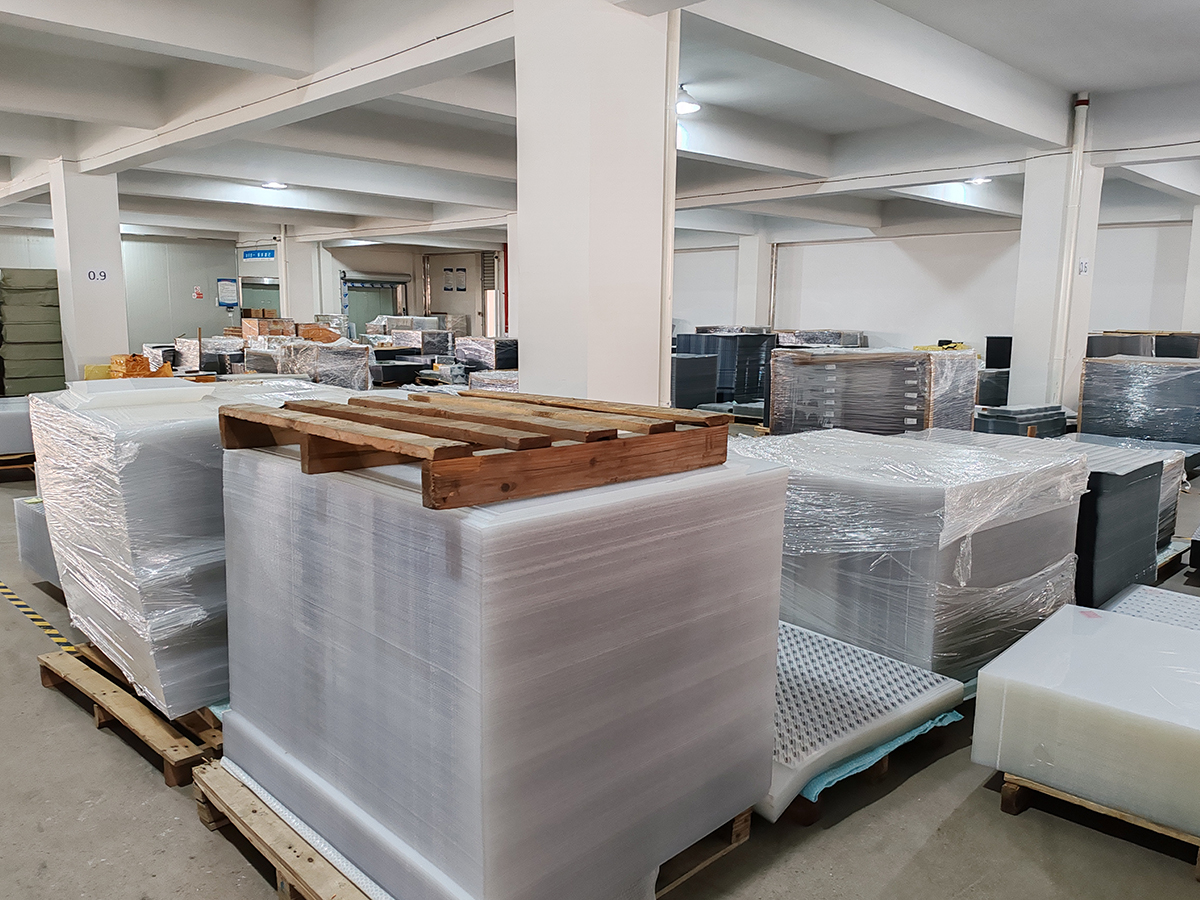
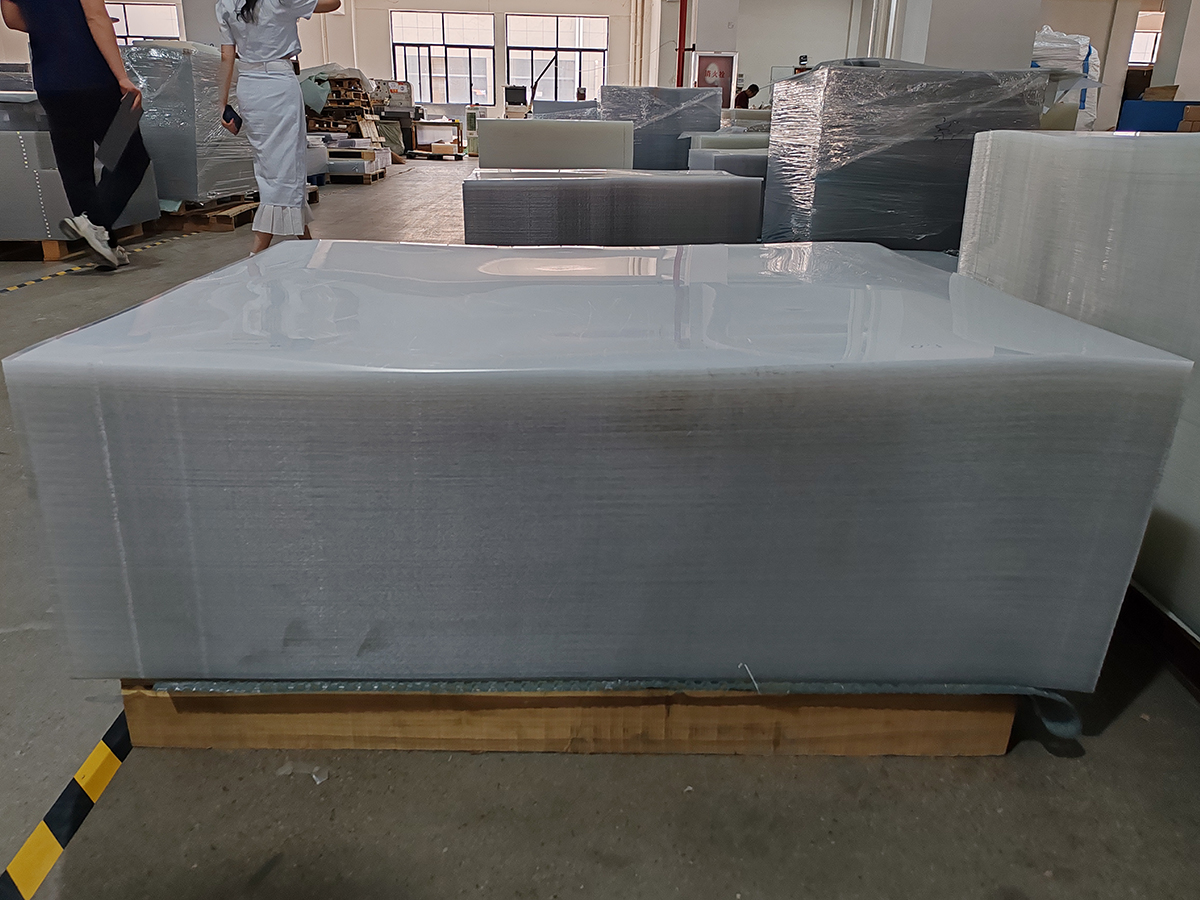
$1.15 available: In StockQuick Overview: Zhejiang Yifang New Materials, with 20 years of production and processing, international standards, and a daily output of 70 tons.
How to evaluate your next Chinese acrylic sheet factory like evaluating domestic suppliers in the United States
When managing a local supply chain, you have a mature evaluation system that includes on-site inspections, reviewing audit reports, and assessing financial health. But facing the "acrylic sheet production factory" on the other side of the ocean, this system seems to be malfunctioning, forcing you to rely only on "price" and "feeling". This brings huge risks. This article will provide you with a validated and actionable evaluation framework, allowing you to scientifically examine a Chinese factory like a local partner and transform uncertainty into controllable decision data.
The 'constitution' of a factory determines its long-term stability and reliability. Please request and pay attention to the following core documents:
Production capacity utilization report for the past 12 months: The capacity utilization rate of a healthy factory is usually between 70% and 85%. Too low may indicate unstable business, while too high (such as consistently above 95%) may mean that your order may face production delays. We are willing to share quarterly production capacity profiles to demonstrate the stability and resilience of our business.
The average length of service of key employees: The high employee retention rate in core positions such as production managers, quality control supervisors, and sales engineers is a key indicator of process stability and knowledge inheritance, far more important than new equipment. Our core team has an average service life of over 5 years.
Environmental and safety compliance records: This is not only a social responsibility, but also reflects the rigorous management of the factory. It's hard to believe that a factory that doesn't even manage its own environmental protection and safety can manage the quality of your products well.
Don't just send a specification list. Design a communication that includes the following elements to test its response depth and professionalism:
Propose a slightly contradictory requirement, such as' How to optimize its hot bending performance while ensuring optimal surface hardness? 'This can test whether the engineering team is simply compromising or providing creative material or process solutions.
Ask about the most common production errors and corrective measures: A factory that is honest and can explain systematically how to prevent error recurrence is much more trustworthy than a factory that claims to "never make mistakes". We have an internal 'lessons learned' database and are happy to share how we have reduced common defect rates by over 80% through process improvement.
Request an explanation of the main cost components in the quotation: the professional factory is able to clearly dismantle the proportion of raw materials, energy consumption, labor costs, and management costs, which reflects the transparency and management level of its cost control.
Consider the first collaboration as a 'probationary period' with clear performance indicators. Before collaborating with us, you can set the following key performance indicators:
Consistency error rate between samples and mass production: It is required to sample and measure mass-produced goods, and compare the data with confirmed samples.
Communication Response SLA (Service Level Agreement): Define response time standards for critical issues such as production changes and delivery schedule adjustments.
Document accuracy: The error rate of commercial invoices, packing lists, certificates of origin, and other documents should be zero.
| product type | pet、ps、acrylic、acrylic mirror、pvc sheet,acrylic sheet |
| thickness | 0.35-300mm |
| Styles | 1220*2440,1220*1830,500*900,50*60,960*1950,700*900/Customization of various specifications and sizes |
| delivery time | 5-8day |
| manufacture | Yifang |
related products