Wholesaler Alert: These 3 'hidden' errors are eroding your p
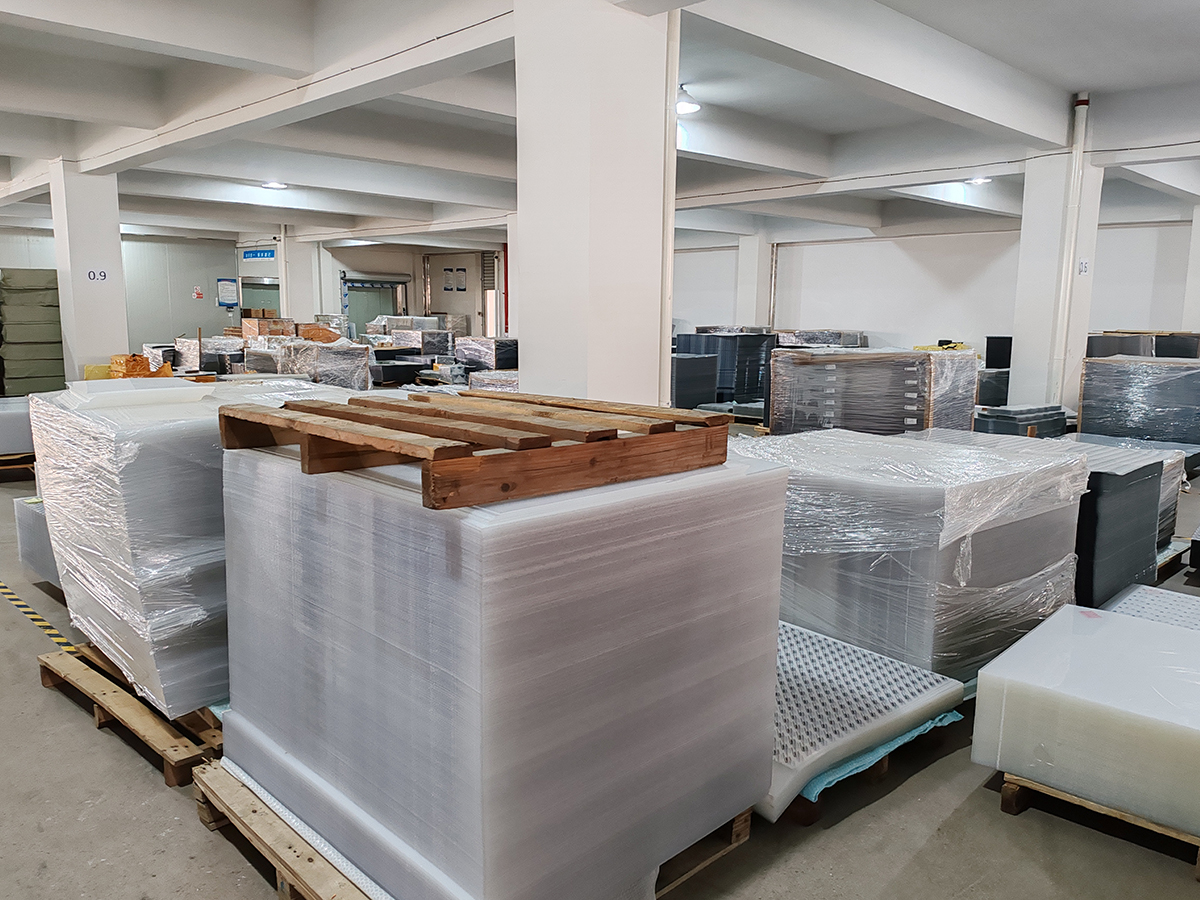
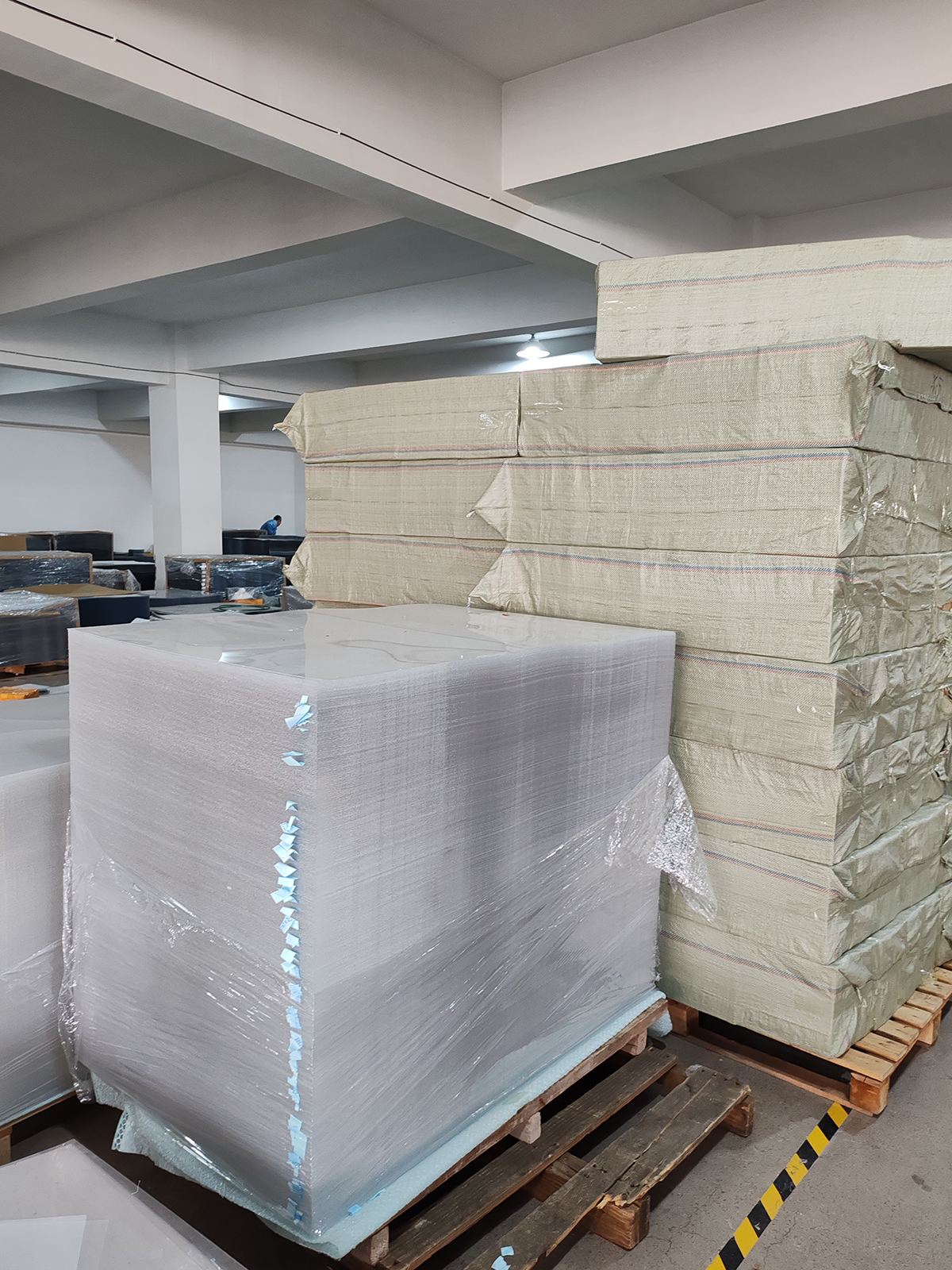
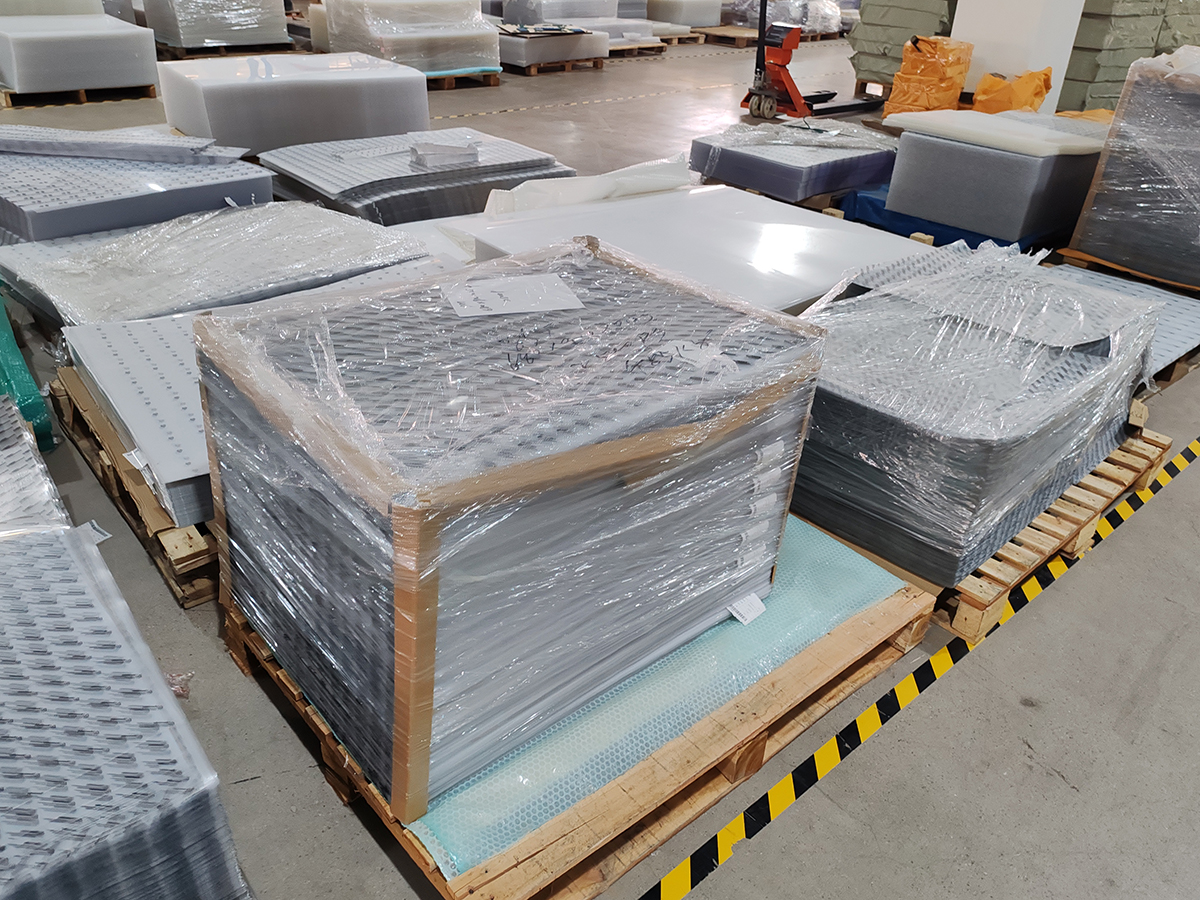
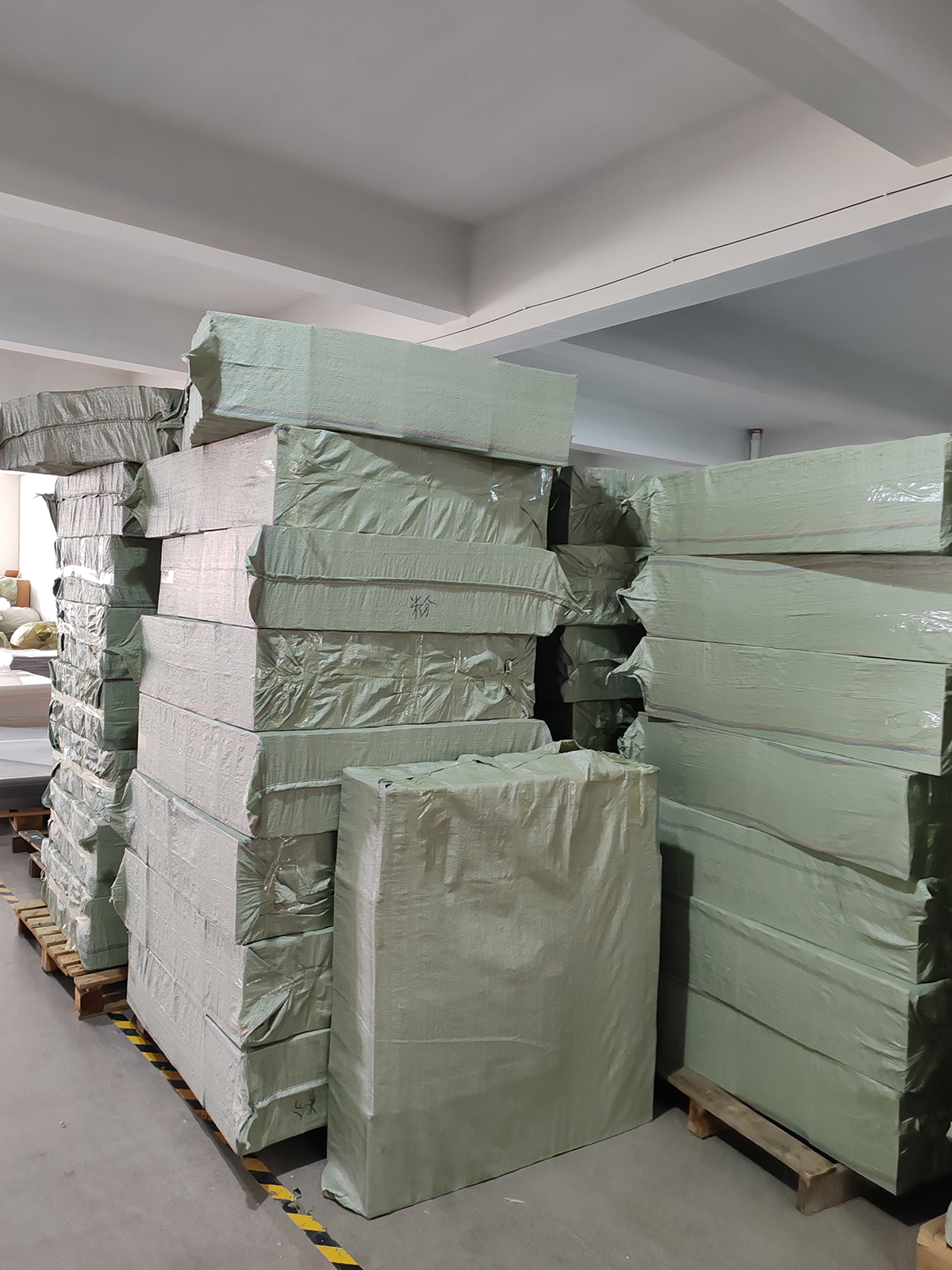
$1.15 available: In StockQuick Overview: Zhejiang Yifang New Materials, with 20 years of production and processing, international standards, and a daily output of 70 tons.
Wholesaler Alert: These 3 'hidden' errors are eroding your profits when purchasing transparent acrylic sheets
As a wholesaler, your profits come from shrewd procurement and a deep understanding of the market. When comparing 'clear acrylic sheet wholesale prices', focusing on the unit price is instinctive. But some seemingly minor procurement decision-making mistakes can quietly leak away your profits like an hourglass. This article will reveal three of the most commonly overlooked but costly mistakes by wholesalers and provide you with direct avoidance strategies.
This is the biggest profit trap. A board that is 5% cheaper than its factory price may result in an additional cost of 15% in your processing.
Scenario: The sheet you purchased generates excessive slag and smoke during laser cutting, requiring additional manual cleaning and slowing down the machine speed. Alternatively, poor consistency during hot bending can increase the scrap rate.
Our solution: We classify and preprocess the sheets based on the final processing method. For example, our "laser grade" extrusion board is specially formulated to achieve cleaner cutting edges and less smoke; The "hot bending stage" casting plate has a more uniform distribution of internal stress. Before purchasing, please clearly inform us of your processing technology, and we will recommend the best model.
A nominal 1/4 inch (6mm) sheet with tolerances of ± 0.2mm and ± 0.5mm is a world of difference for you.
Consequence: Loose tolerances mean that the actual thickness of the sheet you receive may fluctuate between 5.5mm and 6.5mm. When used for products that require precision assembly or stacking, this can result in gaps, unevenness, and even customer returns.
Our commitment: We strictly adhere to thickness tolerance standards that are far above the industry average (for example, up to ± 0.1mm for certain models). We will clearly indicate the tolerance standards followed (such as ASTM) in our quotation, and our quality inspection report will include randomly sampled thickness measurement data to ensure that your product has a solid quality foundation.
Even if your product is ultimately used indoors, ultraviolet radiation is ubiquitous (from windows and lighting).
Long term cost: Unprotected boards may begin to slightly yellow after one year and become noticeable after two years. When your end customers perceive this yellowing as poor quality, it damages your brand reputation and customer relationships.
Wise investment: We strongly recommend that all transparent panels used for manufacturing finished products (rather than internal components) be treated with basic level UV resistance. The increase in this cost is usually only a single digit percentage, but it can extend the aesthetic lifespan of the product several times, protecting your long-term customer satisfaction and brand assets. We offer different levels of UV protection options and come with accelerated aging test data for your reference.
| product type | pet、ps、acrylic、acrylic mirror、pvc sheet,acrylic sheet |
| thickness | 0.35-300mm |
| Styles | 1220*2440,1220*1830,500*900,50*60,960*1950,700*900/Customization of various specifications and sizes |
| delivery time | 5-8day |
| manufacture | Yifang |
related products