Becoming an expert buyer: Decrypting technical terms in whol
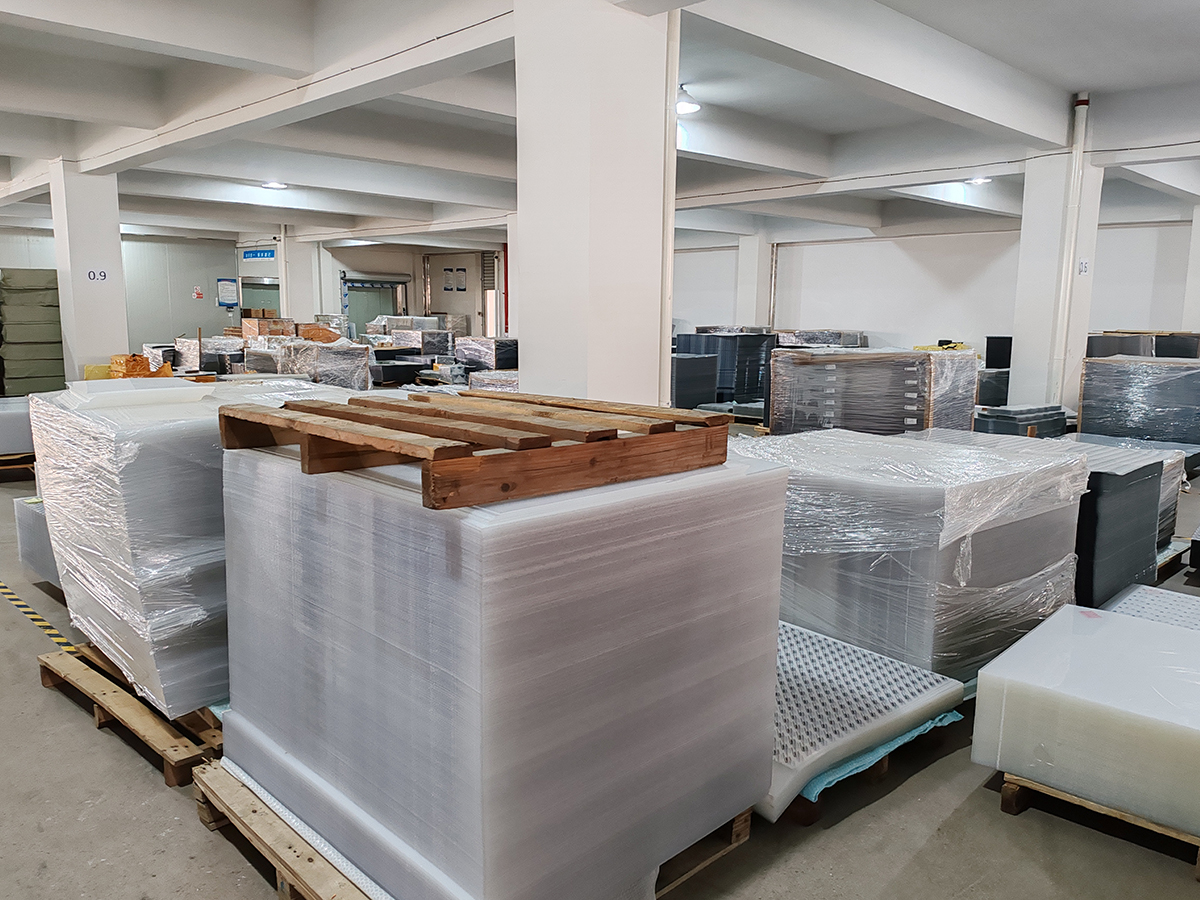
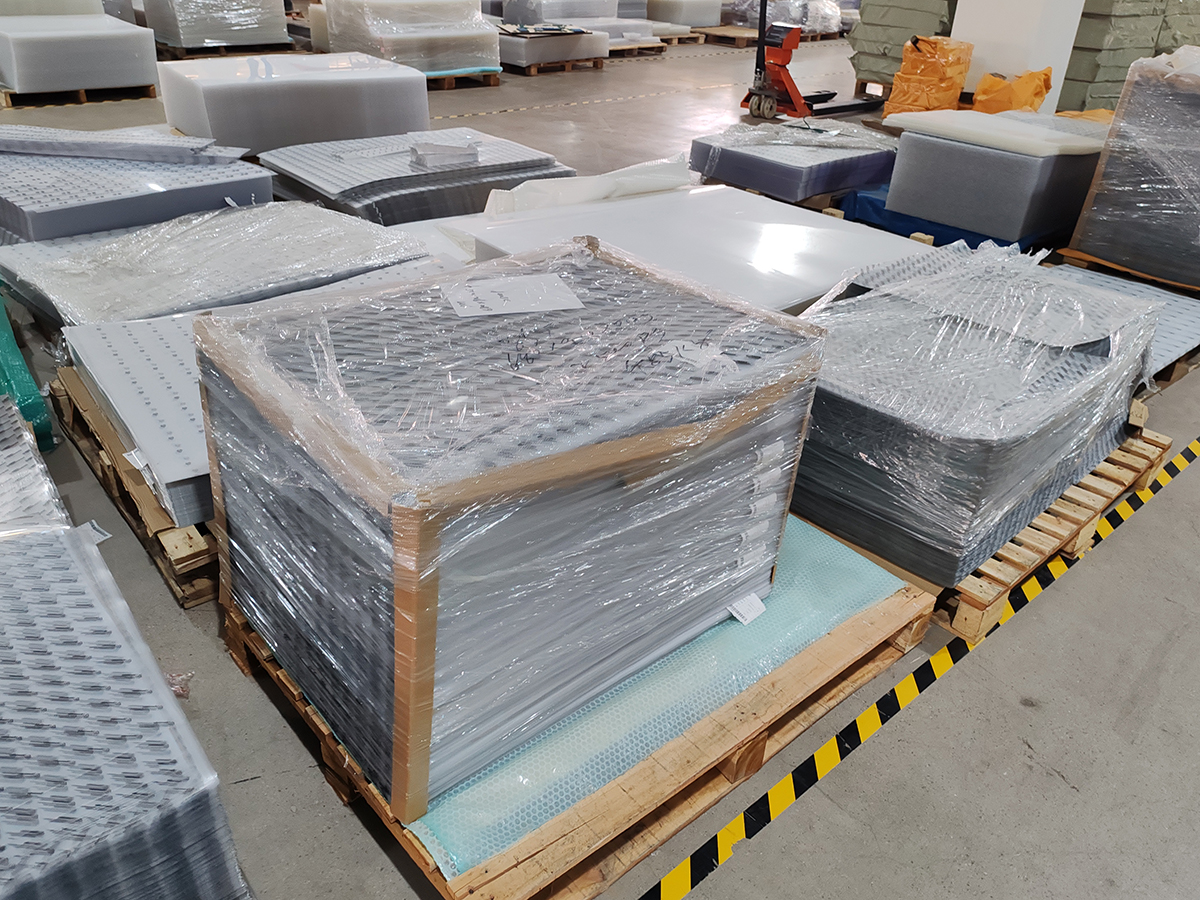
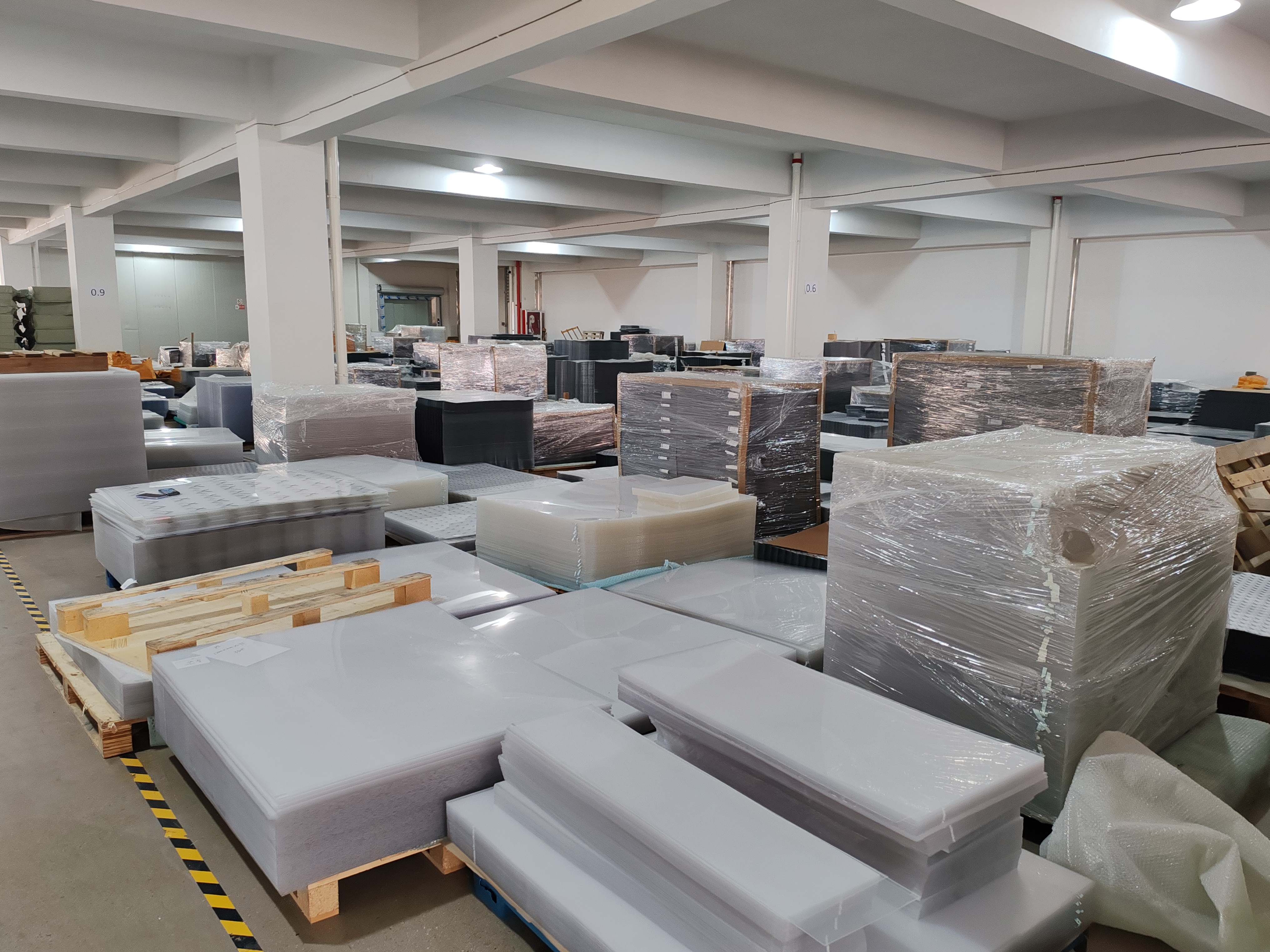
$1.15 available: In StockQuick Overview: Zhejiang Yifang New Materials, with 20 years of production and processing, international standards, and a daily output of 70 tons.
Becoming an expert buyer: Decrypting technical terms in wholesale quotations for transparent acrylic sheets
When searching for 'wholesale price of transparent acrylic sheet', you may encounter terms such as' continuous casting ',' 92% transmittance ',' Izod impact strength ', etc. They are not just marketing vocabulary, but engineering specifications that determine the performance, processing methods, and final product lifespan of the board. By understanding these terms, you can have an equal and professional dialogue with the factory, ensuring that the price you pay accurately corresponds to the performance you need, avoiding paying for features you don't need or sacrificing key features to save money.
This is the primary choice for determining the branching point of the basic performance of the board.
Continuous casting plate: You can understand it as "slowly polymerizing on a flat mold strip". It inherits most of the advantages of traditional casting plates: excellent surface hardness (more scratch resistant), outstanding chemical resistance, wide thickness range, and the ability to achieve crystal like edges through flame polishing. At the same time, it improves efficiency through continuous production and achieves an excellent balance between performance and cost, making it the mainstream choice for high-end applications.
Extrusion board: extruded into shape by a machine like squeezing toothpaste. Its core advantages lie in extremely high dimensional stability (with minimal thickness tolerance of the entire board) and excellent thermoforming performance. But its surface is relatively soft and cannot undergo high-quality flame polishing. Key application judgment: If a large amount of consistent hot bending is required (such as lampshades), or if there is an extreme requirement for absolute thickness uniformity (such as multi-layer precision stacking), extruded boards may be a better choice.
The combination of the two defines the quality of 'clarity'.
Transmittance: The percentage of light passing through, 92% is a good standard, and over 93% is considered high-quality.
Haze: The percentage of light that scatters when passing through, resulting in a hazy feeling. Key point: A board can have high light transmittance but also high haze (like frosted glass). For applications that require clear visibility, such as display cabinets and protective partitions, low haze (e.g.<0.5%) must be required. Asking the factory about the haze value of their boards is a touchstone for testing their optical quality control.
These data tell you about the performance of the board in the real world.
Bending modulus: measures stiffness. The higher the value, the smaller the bending deformation at the same span. It is crucial for making bookshelves and long span exhibition booth partitions.
Hot deformation temperature: The temperature at which a material begins to significantly deform under load. If your product is placed in sunlight (car dashboard, outdoor signage) or near a heat source, the HDT must be higher than the ambient temperature, otherwise it will soften and deform. Action suggestion: Inform the factory of your application environment and request them to recommend products that match HDT.
| product type | pet、ps、acrylic、acrylic mirror、pvc sheet,acrylic sheet |
| thickness | 0.35-300mm |
| Styles | 1220*2440,1220*1830,500*900,50*60,960*1950,700*900/Customization of various specifications and sizes |
| delivery time | 5-8day |
| manufacture | Yifang |
related products