Beyond the supply chain: Your acrylic factory should become
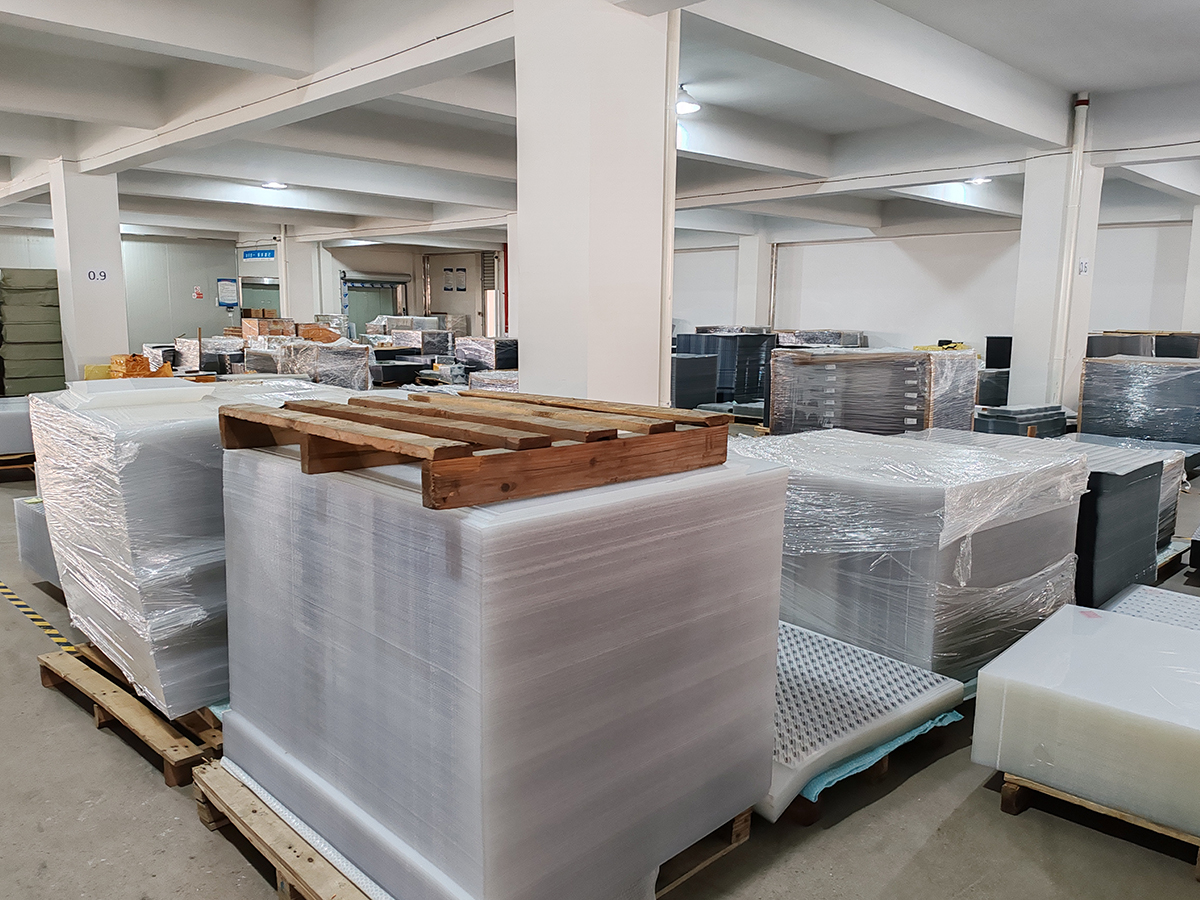
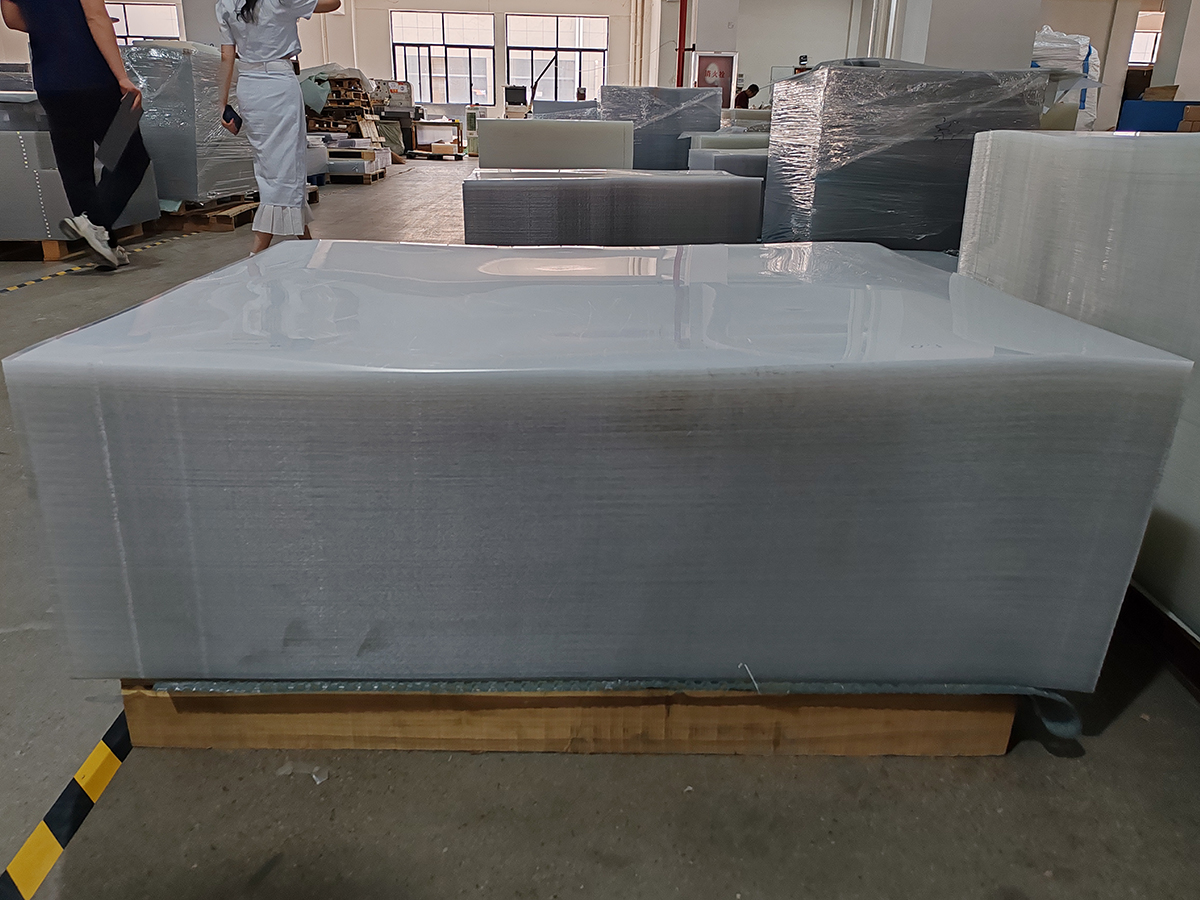
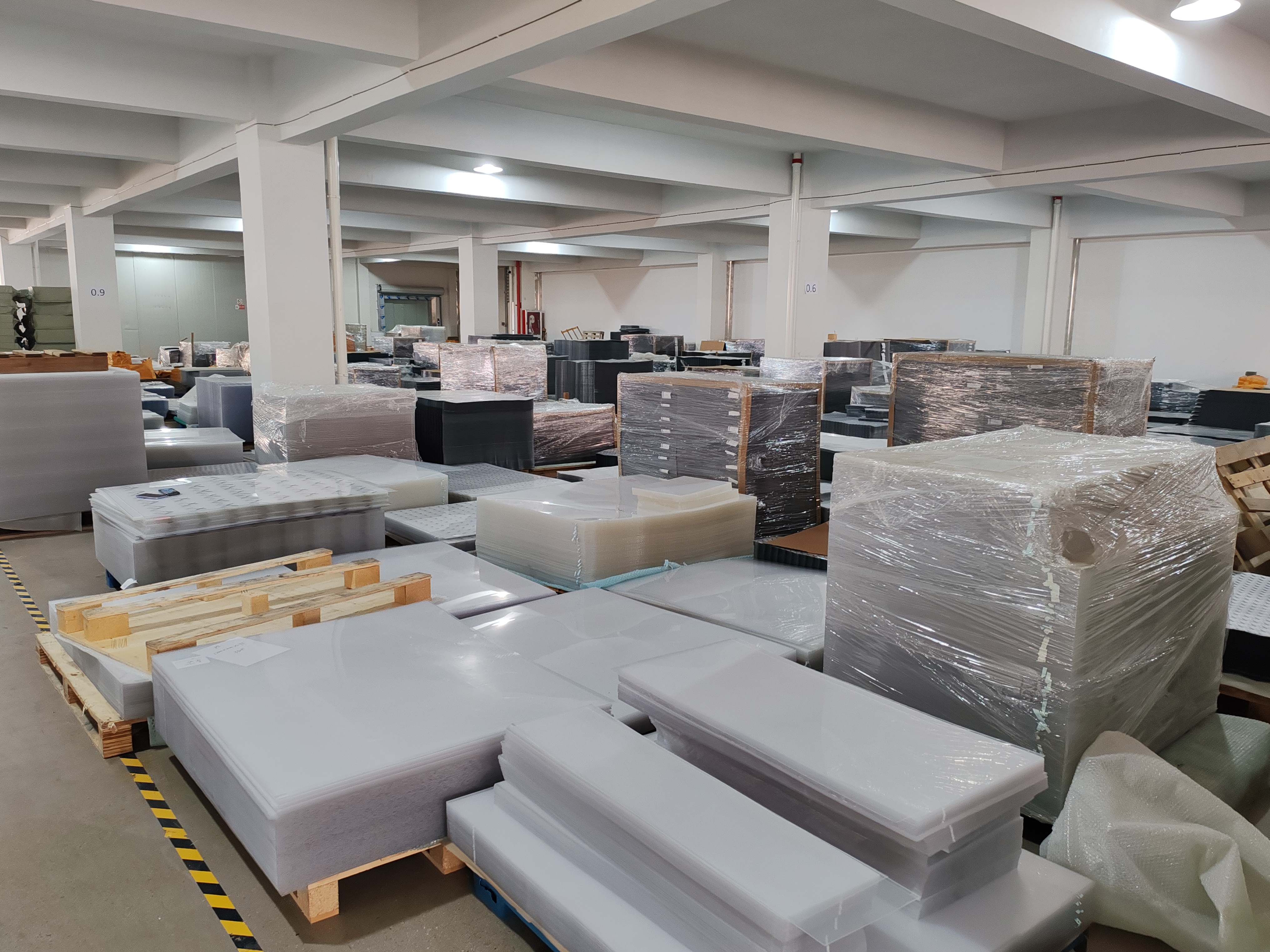
$1.15 available: In StockQuick Overview: Zhejiang Yifang New Materials, with 20 years of production and processing, international standards, and a daily output of 70 tons.
Beyond the supply chain: Your acrylic factory should become your strategic partner for product compliance and sustainability
In today's US market, product compliance and sustainability are no longer optional marketing gimmicks, but mandatory tickets to enter mainstream channels, win consumer trust, and meet investment ESG requirements. When evaluating an acrylic sheet factory, you must ask: Is it just a material provider or a strategic partner that can help me deal with complex regulations and add environmental value to my products? We are committed to the latter, embedding compliance and sustainability into our products and services, becoming a powerful ally for you to expand your market.
Different products, states, and sales channels (such as Amazon and large chain retailers) have complex material requirements.
Challenge: Do you know that your children's products need to comply with CPSC/ASTM F963, but which specific testing terms apply to acrylic components? How to meet the Cal-117 fire protection requirements for your furniture products entering the California market? You may not have an internal expert on this.
Our navigation service: We not only produce boards that comply with general standards such as RoHS, REACH, FDA, etc. More importantly, when you plan a new product line, we can intervene in advance and provide 'target market compliance path consultation'. For example, for the acrylic toy you designed, we recommend using X model material, which has passed heavy metal migration and physical mechanical testing. This is the required test report template. ”We help you stay on the right track from the beginning and avoid the risk of recalls or fines due to non compliant materials.
Sustainability is a complete story from raw materials to production.
Provide authentic and traceable environmental protection options:
Post consumer recycled (PCR) acrylic: We provide sheets containing a determined proportion of post consumer recycled ingredients, and can provide a third-party certified recycling ingredient statement to help you meet the environmental procurement requirements of brand owners.
Exploration of Biobased Materials: We continue to develop alternative solutions for some biobased materials to provide possibilities for your cutting-edge environmentally friendly products.
Optimizing carbon footprint: Through our large-scale production and optimized logistics solutions (such as full container transportation and path optimization), we can help you reduce the overall carbon footprint per unit of product compared to purchasing from multiple dispersed small suppliers. We can provide relevant data support for your sustainability report.
We work together with you to consider the 'endpoint' of the product.
Design recyclability: We recommend avoiding permanently compounding non separable dissimilar materials (such as specific adhesives, metal inserts) with acrylic, as this can affect the recyclability of the product at the end of its lifespan.
Material Upgrade Guide: When your product is phased out due to damage or style updates, we provide guidance on how acrylic components can be handled by local recyclers, and even in some areas, we can provide recycling channels. This forms an important part of your product's "cradle to cradle" story.
| product type | pet、ps、acrylic、acrylic mirror、pvc sheet,acrylic sheet |
| thickness | 0.35-300mm |
| Styles | 1220*2440,1220*1830,500*900,50*60,960*1950,700*900/Customization of various specifications and sizes |
| delivery time | 5-8day |
| manufacture | Yifang |
related products