Which is cheaper cast acrylic or extruded acrylic A full analysis of the cost difference
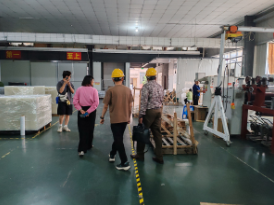
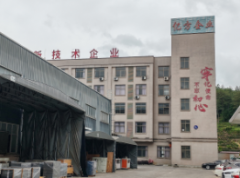
$1.15 available: In StockQuick Overview: Zhejiang Yifang New Materials, with 20 years of production and processing, international standards, and a daily output of 70 tons.
Which is cheaper, cast acrylic or extruded acrylic? A full analysis of the cost difference
In the procurement of acrylic sheets, "Which is cheaper, cast acrylic or extruded acrylic?" is almost the first question asked. The price difference between these two materials is significant: for transparent sheets with a thickness of 3mm, the price of cast acrylic is often 30% to 50% higher than extruded acrylic.
Why is there such a big price difference? Is this a reflection of quality differences or just a reflection of production costs? Does choosing extruded acrylic mean a compromise in performance for projects with limited budgets? These issues directly affect procurement decisions and project cost control. This article will analyze in depth which is cheaper between cast acrylic and extruded acrylic from multiple dimensions such as production technology, material characteristics, and market prices, and provide scientific selection suggestions.
The impact of product characteristics on costs
To understand which is cheaper, cast acrylic or extruded acrylic, it is first necessary to understand how the differences in the characteristics of the two materials affect pricing.
The relationship between the characteristics and cost of casting acrylic:
Acrylic casting is produced using intermittent casting technology, and each batch needs to independently complete steps such as raw material mixing, mold pouring, polymerization curing, and slow cooling. This production method determines the high price characteristics of cast acrylic:
High transmittance (92%~98%): requires higher purity raw materials and more precise process control
High strength and crack resistance: derived from higher molecular weight and more uniform molecular structure
Excellent chemical resistance: Good tolerance to solvents such as alcohol and cleaning agents
Low internal stress: slow cooling process ensures material stability
These quality characteristics make cast acrylic irreplaceable in high-end applications, but also bring higher manufacturing costs.
The relationship between the characteristics and cost of extruded acrylic:
Extruded acrylic is produced using continuous extrusion technology, which is highly automated and scaled up, making it an "economical player" in the question of which is cheaper between cast acrylic and extruded acrylic:
Uniform thickness and height (tolerance ± 5%): precise control by automated equipment
Stable hot bending performance: lower softening point brings more predictable hot forming effect
Smooth laser cutting edge: naturally forms flame polishing effect after cutting
High efficiency in mass production: capable of continuous production with low unit cost
Although extruded acrylic is slightly inferior in mechanical strength and chemical resistance, it has unique advantages in cost-effectiveness and processing convenience.
Material Usage and Cost Benefit Analysis
The sensitivity of material cost varies in different application scenarios, and choosing which type of acrylic requires comprehensive consideration of project requirements and budget.
Application scenarios of casting acrylic with value for money:
Aquariums and large observation windows require extremely high strength and safety. Cast acrylic is the only safe choice, while extruded acrylic is prohibited due to insufficient strength and easy cracking
High end logo and trophy carving: laser engraving is required to produce a frosted white high contrast effect, which can only be achieved by casting acrylic
Medical equipment and optical components: strict requirements for transparency and chemical resistance
Outdoor long-term display device: excellent weather resistance and UV resistance ensure long-term use without yellowing
In these scenarios where quality is strictly required, the high cost of casting acrylic is worth it.
Application scenarios of extruded acrylic with outstanding cost-effectiveness:
Retail display racks and shelves: Low strength requirements, significant cost advantage under large-scale demand
Machine protective cover and safety partition: high thickness consistency requirement, extruded board just meets
Greenhouse glass and skylight: require good thermoforming performance and cost control
Lighting diffusers and lightbox panels: moderate optical performance requirements, high demand for mass production
Among these cost sensitive applications, extruded acrylic is a more cost-effective choice.
How does production technology affect costs
Production process and cost composition of cast acrylic:
The production process of casting acrylic determines its high cost:
Mold preparation: Glass molds need to be prepared for each batch, which incurs high cleaning and maintenance costs
Raw material filling: precise ratio of liquid monomers, high labor and material costs
Aggregation curing: slow curing under constant temperature conditions, taking several hours, high energy consumption and labor costs
Slow cooling: A cooling process that requires strict control to eliminate internal stress, further increasing the production cycle
Intermittent production: limited single batch output, low equipment utilization, and high unit cost
Casting process is a labor-intensive and time intensive production method, which is the fundamental answer to the question of which is cheaper between casting acrylic and extruding acrylic - the high cost of casting acrylic is due to its more complex production process.
Production process and cost composition of extruded acrylic:
The production process of extruded acrylic determines its lower cost:
Raw material feeding: automatic feeding of solid particles, requiring less manpower
Melt extrusion: Continuous heating and melting, with relatively controllable energy consumption
Die head molding: Continuous extrusion through the die head results in extremely high production efficiency
Cooling and shaping: rapid cooling, short production cycle
Continuous production: capable of 24-hour continuous operation, high equipment utilization, and low unit cost
Extrusion process is a capital intensive production method suitable for large-scale production. Due to high production efficiency and raw material utilization, the manufacturing cost of extruded acrylic is 10% to 25% cheaper than cast acrylic. This cost advantage is directly transmitted to the terminal selling price, making extruded acrylic more competitive in terms of price.
Common specifications, sizes, and price references
The following are reference prices based on market research (actual prices may vary due to differences in suppliers, purchase quantities, and regions):
Thickness extruded acrylic (approximately), cast acrylic (approximately), price difference
1/8 inch (approximately 3mm) $4- $8/square foot $8- $15/square foot 50%~100%
1/4 inch (approximately 6mm) $6- $12/square foot $12- $25/square foot 50% -100%
1/2 inch (approximately 12mm) $10- $15/square foot $20- $40+/square foot 50% -150%
Data source: Market research
The price of cast acrylic increases exponentially with thickness, while the price of extruded acrylic increases relatively steadily. For sheets with a thickness exceeding 12mm, the price difference between cast acrylic and extruded acrylic is further widened.
Frequently Asked Questions
Which is cheaper, cast acrylic or extruded acrylic? How much cheaper?
Squeezing acrylic is cheaper, usually 30% to 50% cheaper than casting acrylic. From the unit price per square foot, extruded acrylic costs about $4- $15, while cast acrylic costs about $8- $40+.
Will choosing cheaper extruded acrylic affect project quality?
It depends on the specific application. For conventional applications such as display stands, protective covers, skylights, etc., extruded acrylic can fully meet the quality requirements. But for projects that require high strength and weather resistance, such as aquariums, high-end carvings, and long-term outdoor signage, extruding acrylic may not be sufficient, and the high cost of casting acrylic is a necessary investment.
Can two types of acrylic be mixed?
It is not recommended to mix them up. Due to the differences in thermal expansion coefficient, bonding performance, and mechanical strength between cast acrylic and extruded acrylic, mixing them may lead to problems such as weak bonding, stress concentration, or cracking.
What are the risks of low-priced acrylic sheets?
There are low-priced acrylic sheets produced using recycled materials in the market, which have large thickness tolerances, are prone to yellowing and breakage, and have mechanical properties far lower than genuine cast or extruded acrylic. It is recommended to choose legitimate brand products with quality assurance to avoid project failure due to greed for cheap prices.
Which is cheaper, cast acrylic or extruded acrylic? The answer is clear: extruded acrylic is cheaper, with a price difference usually between 30% and 50%. But 'cheap' does not mean 'better'. The price advantage of extruded acrylic comes from its continuous and large-scale production method, which has unique advantages in thickness uniformity, hot bending stability, and large-scale supply; The high price of cast acrylic reflects its excellent quality in optical performance, mechanical strength, and chemical resistance.
The scientific selection strategy is to choose cast acrylic for applications that require strict quality, such as aquariums, high-end signage, and precision optical components; For large-scale or budget sensitive applications such as display stands, protective covers, skylights, and lighting diffusers, extruded acrylic is a more cost-effective choice.
| product type | pet、ps、acrylic、acrylic mirror、pvc sheet,acrylic sheet |
| thickness | 0.35-300mm |
| Styles | 1220*2440,1220*1830,500*900,50*60,960*1950,700*900/Customization of various specifications and sizes |
| delivery time | 5-8day |
| manufacture | Yifang |
related products