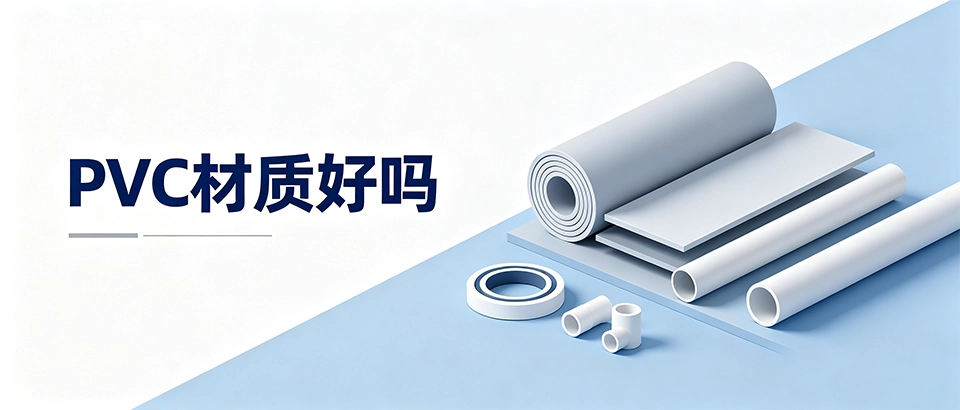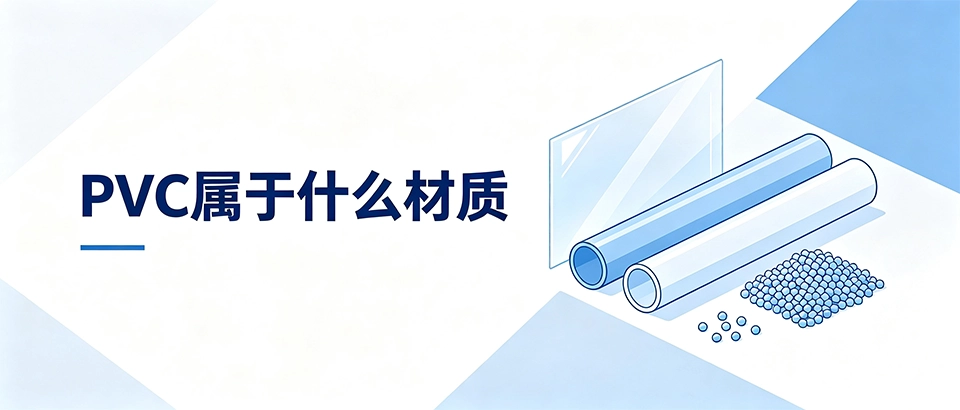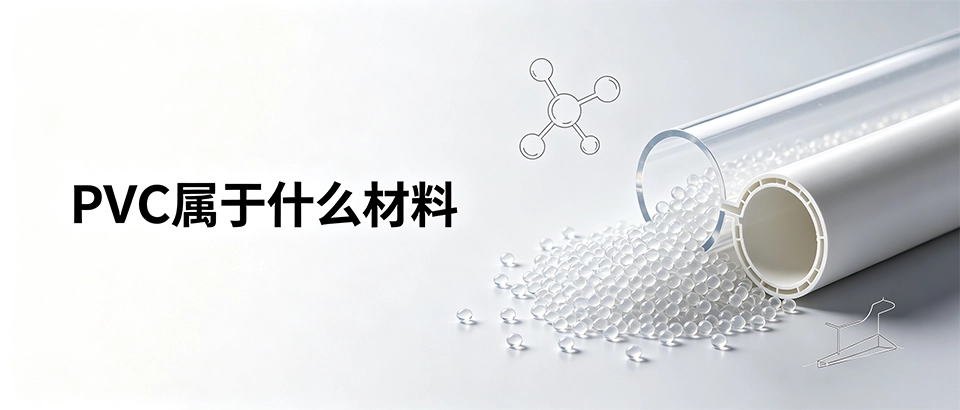

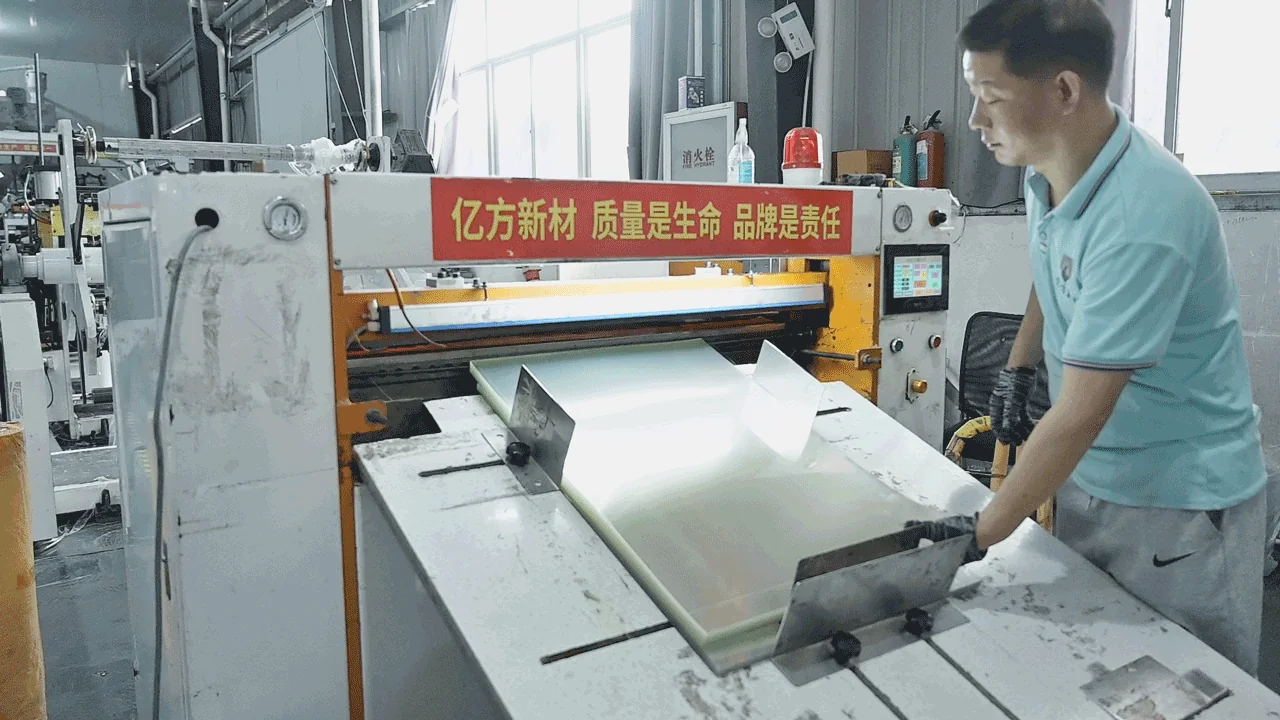
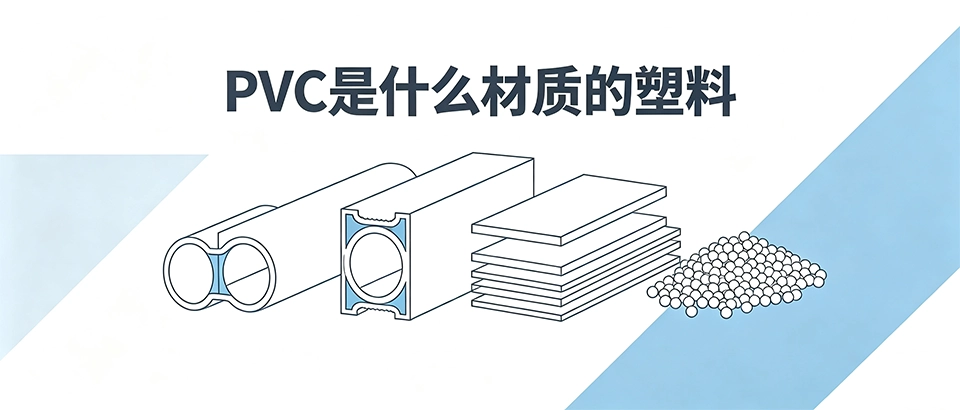
PVC stands for Polyvinyl Chloride, a thermoplastic resin polymerized from vinyl chloride monomers. It is commonly used to manufacture pipes, sheets, profiles, wire and cable sheaths, packaging films, and various industrial components. Understanding the basic properties of PVC helps companies make more informed selections in procurement, processing, and application scenarios.
Basic Components and Classifications of PVC Materials
PVC is mainly composed of polyvinyl chloride resin, plasticizers, stabilizers, lubricants, fillers, and colorants. Among these, the plasticizer content directly affects the material's hardness, flexibility, and processing performance.
Based on their rigidity, PVC can generally be divided into two main categories: rigid PVC and flexible PVC. Rigid PVC has a lower plasticizer content and better strength and dimensional stability; flexible PVC has a higher plasticizer content and better flexibility and impact resistance.
| Classification | Main features | Common Applications |
|---|---|---|
| Rigid PVC | High hardness, good rigidity, and dimensional stability | Pipes, plates, profiles, and fittings |
| Flexible PVC | It has good flexibility, strong elasticity, and is easy to bend. | Wire and cable sheaths, films, hoses, seals |
| Transparent PVC | Good light transmittance and smooth surface | Packaging film, sheets, transparent accessories |
| Modified PVC | Enhanced impact resistance, weather resistance, and flame retardancy. | Outdoor products, electrical accessories, industrial profiles |
Core characteristics of PVC plastic
- Good corrosion resistanceIt has a certain tolerance to various chemical media such as acids, alkalis, and salts, making it suitable for some chemical and environmental protection scenarios.
- Outstanding flame retardant propertiesPVC material has a high oxygen index and good self-extinguishing properties when exposed to fire, and is often used in products that require flame retardancy.
- The cost is relatively moderate.The raw materials are readily available, the production process is mature, and it is suitable for large-scale industrial applications.
- Various processing methodsDifferent shapes of products can be made through extrusion, injection molding, calendering, blow molding, etc.
- Highly adjustableBy adjusting the formula, hardness, transparency, weather resistance, and impact resistance can be altered.
Differences between PVC and common plastic materials
When selecting materials, companies often need to compare PVC with thermoplastics such as PP, PE, and ABS. Different materials have different strengths in terms of strength, temperature resistance, cost, and processability.
| Material | Main advantages | Common limitations | Suitable scenarios |
|---|---|---|---|
| PVC | Flame retardant, corrosion resistant, and moderately priced. | The temperature resistance range is generally limited, and some formulations have limited weather resistance. | Pipes, sheets, cable sheaths |
| PP | Impact resistant, bend resistant, low density | Relatively weak low-temperature toughness | Turnover boxes, containers, auto parts |
| ON | Low temperature resistant, good toughness, non-toxic | Low rigidity and limited high-temperature resistance | Films, hoses, container liners |
| ABS | High strength, stable appearance, and easy to paint | Flame retardancy and weather resistance are average. | Appliance casings, toys, structural components |
Main applications of PVC materials
PVC materials are widely used in industrial and civil fields, with construction, chemical, power, packaging, and environmental protection equipment being particularly common. Different applications have different requirements for PVC formulations and processing techniques.
- Construction sector: PVC pipes, fittings, profiles, sheets, decorative films, etc.
- Power sector: Insulation layers, sheaths, cable trays, and insulation accessories for wires and cables.
- Chemical industry: Corrosion-resistant pipe, valve, pump body and storage equipment lining.
- Packaging sector: transparent film, shrink film, sheets and composite packaging materials.
- Environmental protection sector: wastewater treatment equipment, waste gas treatment devices, and corrosion-resistant structural components.
Enterprise Procurement and Selection Considerations
When choosing PVC materials, price should not be the only factor considered. The intended use environment, performance requirements, and processing methods should also be taken into account. Blindly selecting materials may lead to cracking, deformation, insufficient weather resistance, or substandard flame retardancy later on.
- Specify the medium being used, including contact with liquids, gases, chemicals, and temperature ranges.
- Confirm the mechanical performance requirements, such as pressure resistance, impact resistance, rigidity, and flexibility.
- Pay attention to whether specific indicators such as flame retardancy, weather resistance, and insulation meet industry standards.
- Select the appropriate resin powder, plasticizer, and additive system based on the processing method.
- Prioritize suppliers that can provide stable formulations, testing reports, and the ability to deliver in bulk.
Enterprise Application Scenarios
In construction projects, PVC pipes can be used to transport water supply and drainage fluids, reducing the problems of corrosion, complex installation, and high maintenance costs associated with metal pipes. Their lightweight nature also helps improve transportation and on-site installation efficiency.
In chemical and environmental protection applications, PVC materials can be used to manufacture corrosion-resistant pipes, fittings, and linings for processing equipment. It exhibits good resistance to various acid and alkali media, making it suitable for some corrosive fluid transport and treatment systems.
In power cable applications, PVC sheathing and insulation provide basic electrical isolation, mechanical protection, and flame retardancy. PVC is a common base material choice for low and medium voltage wires and cables, as well as cable trays and fittings.
Summarize
PVC is a thermoplastic based on polyvinyl chloride resin. Its core advantages include flame retardancy, corrosion resistance, processing versatility, and moderate cost. It is widely used in pipes, sheets, cable sheaths, packaging films, and industrial components.
When selecting materials, companies should focus on indicators such as hardness, temperature resistance, weather resistance, flame retardancy, corrosion resistance, and processing technology. A comprehensive comparison of PVC with materials such as PP, PE, and ABS is necessary to choose the plastic solution best suited to specific working conditions.
FAQ
- What kind of plastic is PVC?
- PVC stands for Polyvinyl Chloride, a thermoplastic resin polymerized from vinyl chloride monomers. It can be made into plastic products with different hardness and properties by adding plasticizers, stabilizers, fillers, etc.
- What's the difference between PVC and regular plastic?
- PVC is a thermoplastic material among plastics. Compared with materials such as PP, PE, and ABS, it has outstanding flame retardancy and corrosion resistance, and its cost is relatively moderate. It is suitable for making pipes, sheets, cable sheaths, and anti-corrosion accessories.
- Is PVC a rigid or flexible plastic?
- PVC can be made into both rigid and flexible plastics, mainly depending on the plasticizer content. Low plasticizer content results in rigid PVC, while high plasticizer content results in flexible PVC.
- Is PVC material toxic?
- Pure PVC resin itself generally does not possess volatile toxicity, but it may release harmful substances when burned, decomposed at high temperatures, or improperly formulated. For food, medical, and drinking water applications, specialized PVC materials that meet the relevant standards should be selected.
- Which is more durable, PVC or PP?
- PVC has advantages in flame retardancy, corrosion resistance, and cost, while PP excels in impact resistance, flexural strength, and low density. Which is more durable depends on the environment, medium, temperature, and stress conditions, and cannot be generalized.