
PVC, or polyvinyl chloride, is a widely used thermoplastic. It has good chemical resistance, flame retardancy, insulation, and processing capabilities, and is commonly used in industrial, construction, chemical, and electronic fields.
For businesses, understanding the basic characteristics, classifications, and applications of PVC can help reduce the risk of material misuse.
Basic definition and composition of PVC
PVC stands for Polyvinyl Chloride. It is a general-purpose synthetic resin material made from vinyl chloride monomer through a polymerization reaction.
Pure PVC resin is usually a white or slightly yellow powder. Plasticizers, stabilizers, lubricants, fillers and colorants can be added during processing as needed.
Main characteristics of PVC materials
Chemical corrosion resistance
PVC has good resistance to most acid, alkali and salt solutions, making it suitable for some chemical transportation and corrosion protection applications.
Different formulations of PVC have different solvent resistance properties, and the selection should be confirmed in combination with the specific concentration and temperature of the medium.
Flame retardant and insulation properties
PVC itself has good flame retardancy and is often used in wire and cable sheathing, electrical conduit and flame retardant building materials.
It also has relatively stable electrical insulation properties, making it suitable for some low-voltage electrical protection scenarios.
Processing and forming capabilities
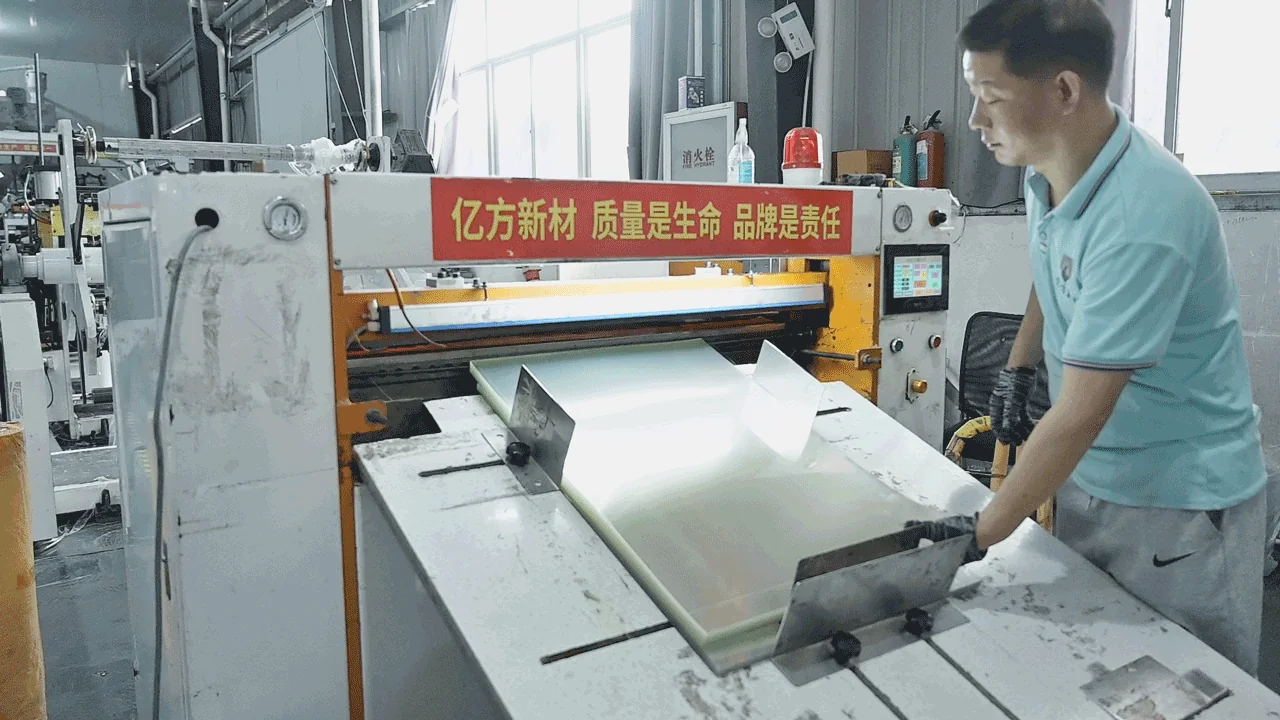
PVC can be processed into products of different shapes through extrusion, injection molding, calendering, blow molding and other methods.
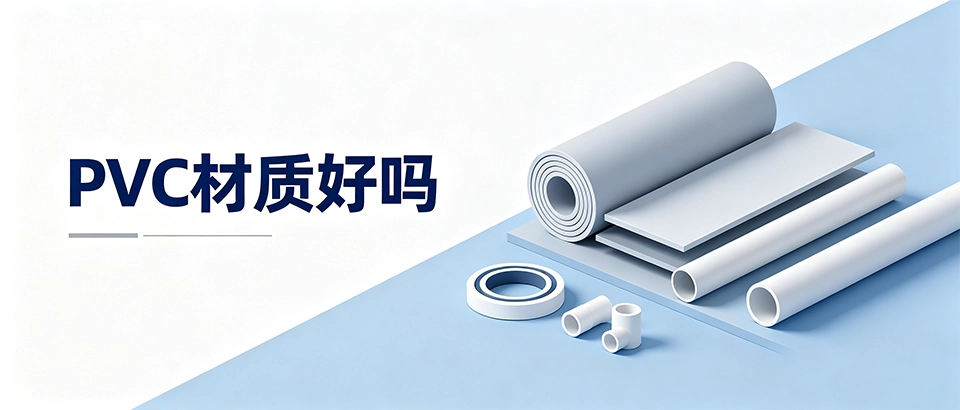
Common forms include pipes, sheets, rolls, films, profiles, cable sheaths, and granules.
Common classification methods of PVC
| Classification Dimensions | type | Main features | Common uses |
|---|---|---|---|
| Classified by hardness | Rigid PVC | High strength, stable molding, low plasticizer content | Pipes, plates, profiles, and fittings |
| Classified by hardness | Flexible PVC | It has good flexibility, can be bent, and has strong elasticity. | Cable sheaths, films, hoses, seals |
| Classified by application | General grade PVC | Balanced overall performance and moderate cost | Construction, light industry, and general industrial products |
| Classified by application | Specialty PVC | Optimized for flame retardancy, weather resistance, acid and alkali resistance, etc. | Chemical, electronic, corrosion prevention, special environment |
Main applications of PVC
- Construction Engineering: Pipes, Fittings, Profiles, Sheets, Decorative Materials
- Chemical corrosion protection: acid and alkali conveying pipes, corrosion-resistant linings, storage tanks and related products.
- Power electronics: Wire and cable sheaths, insulating sleeves, electrical accessories
- Packaging materials: films, sheets, containers, transparent packaging products
- Industrial manufacturing: seals, gaskets, hoses, injection molded parts
Enterprise Procurement Selection Considerations
- Confirm the type of medium being used, including contact conditions such as acids, alkalis, salts, solvents, and oils.
- Confirm the long-term operating temperature to avoid exceeding the material's heat resistance range, which could lead to deformation or performance degradation.
- Confirm the pressure rating and mechanical strength requirements, especially for pipe and fitting products.
- Confirm whether the special properties such as flame retardancy, insulation, and weather resistance meet the requirements of the scenario.
- Choosing compliant suppliers and obtaining clear testing reports can reduce the risk of batch variations.
What industry problems can PVC solve?
In chemical transportation scenarios, PVC can replace some metal materials, reducing the risk of corrosion to pipelines by acid and alkali media.
In building and power applications, the flame-retardant and insulating properties of PVC help improve system safety redundancy.
In cost control scenarios, PVC has a relatively mature processing system and a stable supply chain foundation, making it easy for companies to select products in bulk.
Summarize
PVC is a thermoplastic with mature overall performance and a wide range of applications. Its core advantages are mainly reflected in its resistance to chemical corrosion, flame retardancy, insulation, and processing and molding.
When selecting materials, companies should focus on hardness, temperature, medium, pressure, and special performance requirements, and avoid simply substituting materials based on their names.
FAQ
- What is PVC?
- PVC is the abbreviation for polyvinyl chloride, a common thermoplastic. Its hardness, corrosion resistance, flame retardancy, and processing properties can be adjusted by adding different additives.
- What's the difference between PVC and regular plastic?
- PVC is a type of general-purpose plastic. Compared with materials such as PE, PP, and ABS, PVC has more advantages in terms of acid and alkali resistance, flame retardancy, and insulation.
- In which industries is PVC mainly used?
- PVC is widely used in industries such as construction, chemical, power, packaging, light industry and machinery manufacturing. Common products include pipes, sheets, cable sheaths, films and fittings.
- Is PVC a rigid or flexible material?
- PVC can be made into rigid or flexible products, depending mainly on the proportion of plasticizers and other additives added in the formulation.
- What should companies pay attention to when purchasing PVC materials?
- The medium to be used, long-term temperature, pressure rating, mechanical strength, flame retardant insulation requirements, and supplier test reports should be confirmed to avoid blind selection.