Acrylic Mirror Sheet Price List 2026
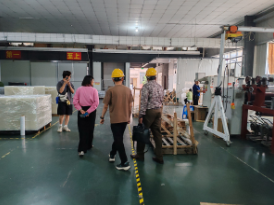
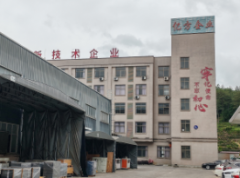
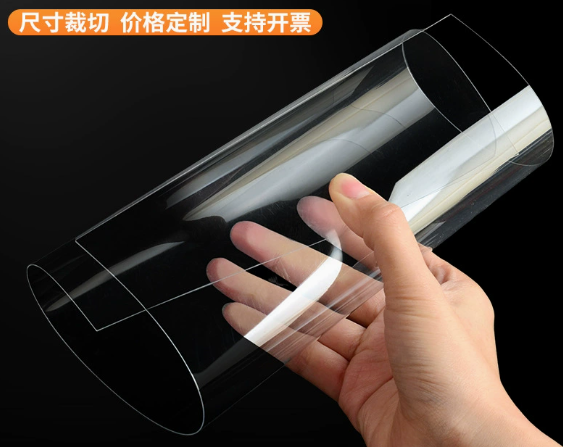
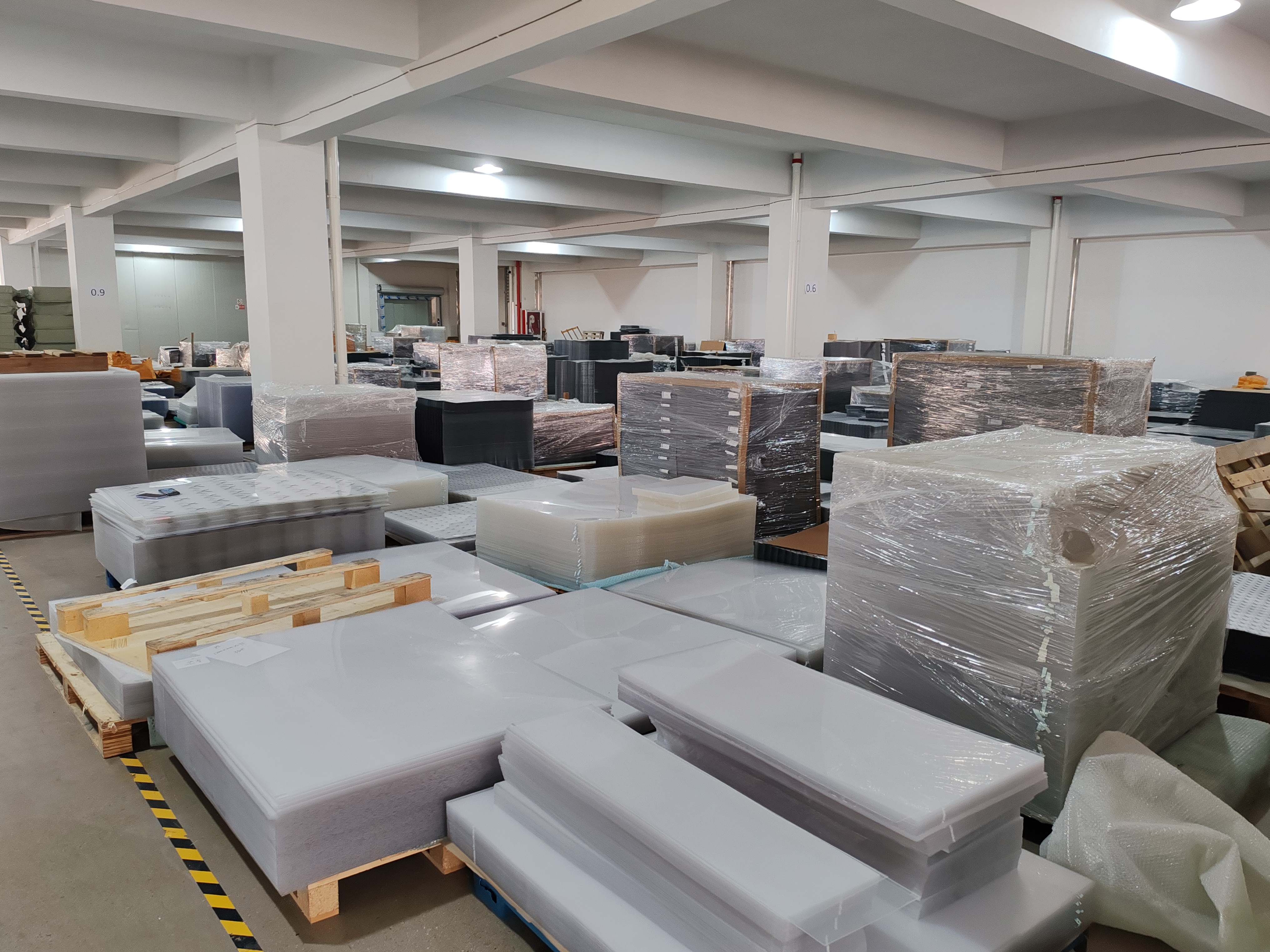
$1.15 available: In StockQuick Overview: Zhejiang Yifang New Materials, with 20 years of production and processing, international standards, and a daily output of 70 tons.
Acrylic Mirror Sheet Price List 2026
What is the current price of acrylic mirror sheet?
The price difference of acrylic mirror panels is significant. Due to various factors such as material grade, thickness, color, and purchase quantity, the market price can range from tens to hundreds of yuan per square meter. Taking the most commonly used 5mm thickness on the market as an example, the following is a rough price reference for the current market:
High end/imported materials: about 400-700 yuan/㎡, using brand new materials (PMMA), representative brands such as Germany's "Degussa" and Japan's "Mitsubishi", with extremely high light transmittance (over 92%) and excellent weather resistance, suitable for high-end signage, precision instrument panels, long-term outdoor use and other demanding occasions.
Domestic high-quality brand new materials: about 200-400 yuan/square meter. The brand new materials provided by well-known domestic brands have excellent performance and are the mainstream and most cost-effective choice in the market, suitable for the vast majority of commercial displays and interior decoration.
Mixed/partially recycled materials: about 120-220 yuan/㎡, mixed with a certain proportion of recycled materials in the new materials, with a light transmittance of about 86% -89%, suitable for short-term indoor displays with low optical performance requirements.
Fully Recycled Material: Approximately 80-150 yuan/㎡, made entirely from recycled acrylic, with low light transmittance, susceptibility to yellowing, and high brittleness. It is only recommended for industrial pads or low-end protective covers that do not require aesthetics or performance.
In addition, acrylic sheets can also be priced by kilogram, with new materials priced at 16-20 yuan/kilogram and imported materials priced at about 30 yuan/kilogram.
What determines the price of acrylic mirror panels?
The price of acrylic mirror panels is influenced by multiple core factors:
1. Material grade (largest proportion): There is a significant price difference between boards made from new and recycled materials. The quality of the brand new acrylic board is superior, and the price is relatively high; The cost of boards containing recycled materials will be reduced slightly. The price of pure imported materials is the highest, and domestically produced materials are generally about 20 yuan/kg cheaper than imported ones according to the plate grade.
2. Thickness: For every 1mm increase in thickness, the cost increases by 15% -30%. For example, a 2mm thick board costs about 100 yuan per square meter, while a 5mm thick board may cost over 300 yuan per square meter. The thicker the board, the more difficult it is to produce and the higher the material cost. The common thickness range is from 1mm to 8mm, with 2mm, 3mm, and 5mm being commonly used thicknesses.
3. Color and effect: Transparent boards are the cheapest, pure color boards are slightly more expensive, and special effect boards such as gradient colors, pearl colors, metal textures, etc. are more expensive. Color mirror panels are priced based on color and craftsmanship, with special colors such as gold silver and rose gold being more expensive than silver.
4. Production process: Cast sheet metal has better performance than extruded sheet metal and is also more expensive. Casting board has high molecular weight and good rigidity, suitable for carving and handicraft production; The extruded plate has high flexibility, suitable for bending and hot forming processing, and relatively low cost.
5. Procurement quantity and processing method: The most cost-effective unit price is to purchase the entire piece (standard size 1220 × 2440mm, etc.). If you need to purchase cutting retail by square meter or small piece, the merchant will charge cutting and loss fees, and the unit price will be 30% -50% or even more higher than the whole purchase.
What are the types of acrylic mirror panels?
Acrylic mirror panels can be divided into various types according to different dimensions:
Classified by mirror effect: Single sided mirrors have only one mirror effect and are commonly used for home decoration and commercial displays; Double sided mirrors have mirror like effects on both sides and are suitable for special decorations or occasions that require double-sided reflection; Half lenses have the characteristics of partial transmission and partial reflection, making them suitable for situations that require privacy protection while maintaining a certain degree of transparency.
Classified by production process: Casting plates adopt casting process, with high molecular weight, good rigidity and strength, and excellent chemical resistance; Squeeze plates are made through extrusion technology, with low molecular weight but high flexibility, which is conducive to bending and thermoforming processing.
Classified by performance: impact resistant board (not easily shattered, with 7-16 times the impact resistance of glass), UV resistant board (no yellowing for 8-10 years outdoors), flame retardant board, frosted board, metal effect board, etc.
Classified by adhesive type: adhesive mirror (with adhesive layer on the back for easy installation), paper mirror (with protective paper on the back), paint mirror, etc.
Color types: including silver, gold, rose gold, bronze, gray, blue, red, etc., can be customized according to needs.
How to distinguish between good and bad acrylic mirror panels?
1. Look at the mirror imaging effect: A good acrylic mirror panel uses brand new material as the substrate, and when viewed under light, the mirror effect is clear and there will be no defects such as crystal dots or scratches. If it is made from recycled materials, the mirror effect will be blurry and there will be many crystal point defects.
2. Transparency identification: When using white light to illuminate the sheet, good acrylic sheets emit pure light without yellowing or bluing, and have higher transparency (up to 92% for high-quality materials). The appearance color of pure new acrylic board is pure, while the appearance of recycled board is yellowish.
3. Thickness identification: Pure new acrylic sheet has uniform thickness, no significant difference in edge and middle, high surface hardness, and good scratch resistance. The thickness of recycled sheet materials may be unstable, with low surface hardness and easy scratching.
4. Odor identification: Good acrylic mirror panels only have a slight odor during laser cutting; Poor quality boards made from recycled materials will produce smoke and a pungent odor when cut.
5. Back paint quality: Good back paint is uniform and flat, with strong adhesion and a hardness of about 4H; Poor back paint is relatively fragile, prone to scratching and peeling, causing light transmission and affecting the mirror effect. You can use your fingernails to lightly scrape the back paint and check if it is sturdy; Observe whether the back paint is complete and whether there is any light leakage.
6. Fire identification: Pure new material acrylic board is not easy to burn and will not produce unpleasant odors; When the regeneration board burns, it produces smoke and a strong pungent odor.
What should be paid attention to when transporting acrylic mirror panels?
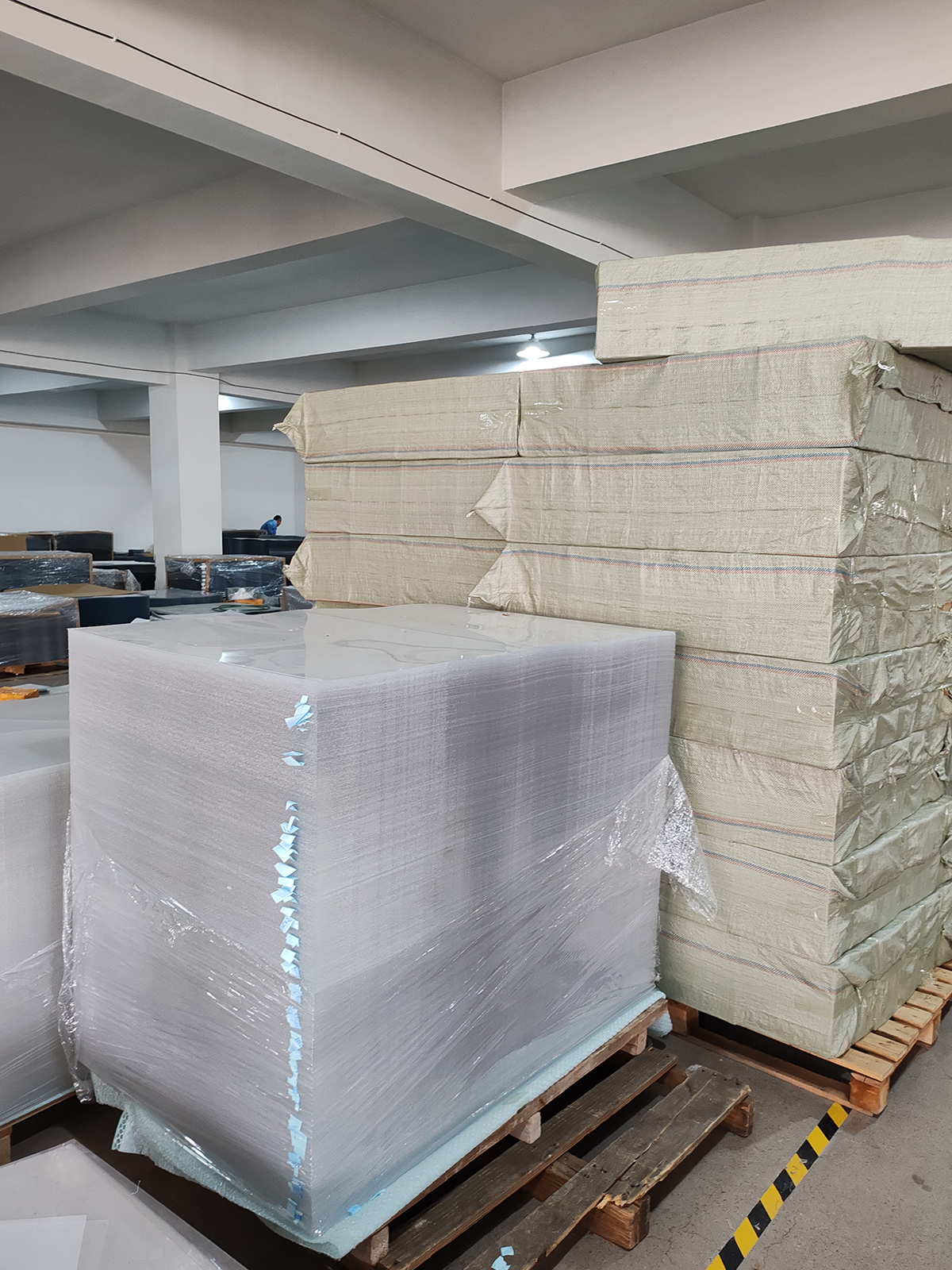
1. Packaging protection: Use sturdy and size matched cardboard or wooden boxes to ensure that there is not too much room for the board to shake inside the box. Add sufficient cushioning materials inside the packaging box, such as pearl cotton, bubble wrap, etc., especially thickening the corners and surface areas to absorb impact forces.
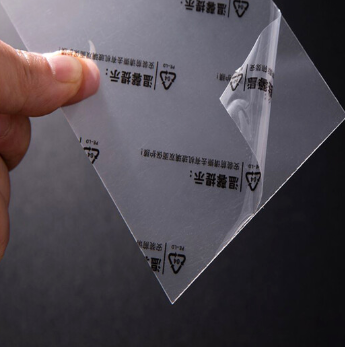
2. Scratch prevention: Do not tear off the protective film and outer packaging film of the board before use. Dust and dirt will adhere to the surface of the board due to static electricity. The protective film can prevent the board from wear and scratches.
3. Loading and unloading handling: Please use a forklift during the loading and unloading process to avoid secondary scratches caused by the dragging of boards. If it is necessary to drag and use splicing protective paper, it must be dragged along the splicing direction to prevent the edge of the protective paper roll from falling off.
4. Stacking standards: To ensure the flatness of the boards, they should be stacked together with the same size and the long-term stacking height should not exceed 500mm.
5. Environmental control: Acrylic is prone to deformation at high temperatures. During transportation, the ambient temperature should not exceed 70 ℃, and long-term storage should be kept below 40 ℃ in a ventilated, dry, and sun proof environment.
6. Fire and moisture prevention: Acrylic is flammable and should be stored away from flammable materials or sources of ignition. At the same time, pay attention to moisture prevention, as acrylic has water absorption and is prone to deformation in high humidity environments.
Common problems with acrylic mirror panels
Q1: Why does the acrylic mirror panel deform?
There are three main reasons: firstly, acrylic contains polar methyl groups, which have obvious hygroscopicity with a moisture absorption rate of about 0.3% -0.4%. After moisture absorption, it will expand and deform; Secondly, there is stretching and cooling shrinkage during the production process of extruded boards, which can lead to deformation; Thirdly, thinner and larger sized boards are more prone to deformation under thermal expansion, contraction, and moisture absorption conditions.
Q2: Is the acrylic mirror panel easily scratched?
The surface hardness of acrylic mirror panels is not as good as glass. Generally, the surface hardness of ordinary boards without strong hardening is about 2H, and after hardening treatment, it can reach 4-6H. When using them in daily life, be careful to avoid contact with sharp objects, and use a soft cloth and mild cleaning agent for cleaning.
Q3: Can acrylic mirror panels be used outdoors?
Sure, but it is necessary to use acrylic material that has been treated with UV resistance, which can effectively resist UV exposure and have an outdoor service life of 8-10 years. Otherwise, it is prone to yellowing and becoming brittle under long-term sun exposure.
Q4: Will the mirror effect be distorted?
When using acrylic mirrors on a large scale, there may be some visual distortion due to the flexible nature of the material. The greater the thickness, the less noticeable the distortion. This is not a product defect, but an inherent characteristic of the material.
Q5: Why is there such a big price difference?
Mainly due to different material grades. The price difference between boards made from new and recycled materials is significant. In addition, factors such as thickness (cost increases by 15% -30% for every 1mm increase), color (special colors are more expensive than silver), and purchase quantity (the larger the batch, the lower the unit price) will all affect the final price.
The advantages and characteristics of our factory's acrylic mirror sheet
Our factory specializes in producing acrylic mirror panels and has the following core advantages:
High quality substrate: 100% made of brand new PMMA raw material, without using any recycled materials, ensuring clear mirror imaging, pure color, and no impurities.
Advanced vacuum coating technology: using precision vacuum coating equipment to ensure uniform and dense coating, high reflectivity, and clear and bright imaging (reflectivity ≥ 85%). The back paint adopts water-based environmentally friendly paint, which achieves complete coverage through rolling or spraying processes, has good adhesion, and reliable opaque performance.
Complete specifications, support customization: thickness range from 0.8mm to 6mm, standard sizes 1220 × 2440mm and 1220 × 1830mm, support flexible customization of size, thickness, shape, color, and hardening level.
Optional surface hardening treatment: The surface hardness can reach up to 4-6H, greatly improving scratch and wear resistance, and extending service life.
Strict quality control system: Implementing ISO quality management system, conducting strict inspections on the adhesion and opacity of the back paint to ensure stable and reliable quality of each batch of products.
Professional packaging and logistics services: Adopting a multi-layer packaging solution of pearl cotton+cardboard/wooden boxes, equipped with professional loading and unloading equipment and operators, to ensure the safe delivery of products to customers.
| product type | pet、ps、acrylic、acrylic mirror、pvc sheet,acrylic sheet |
| thickness | 0.35-300mm |
| Styles | 1220*2440,1220*1830,500*900,50*60,960*1950,700*900/Customization of various specifications and sizes |
| delivery time | 5-8day |
| manufacture | Yifang |
related products