Acrylic colorful board with excellent color performance commonly used for fashion and trendy games or event displays
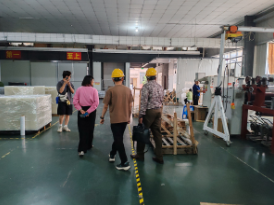
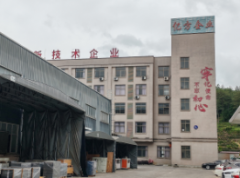
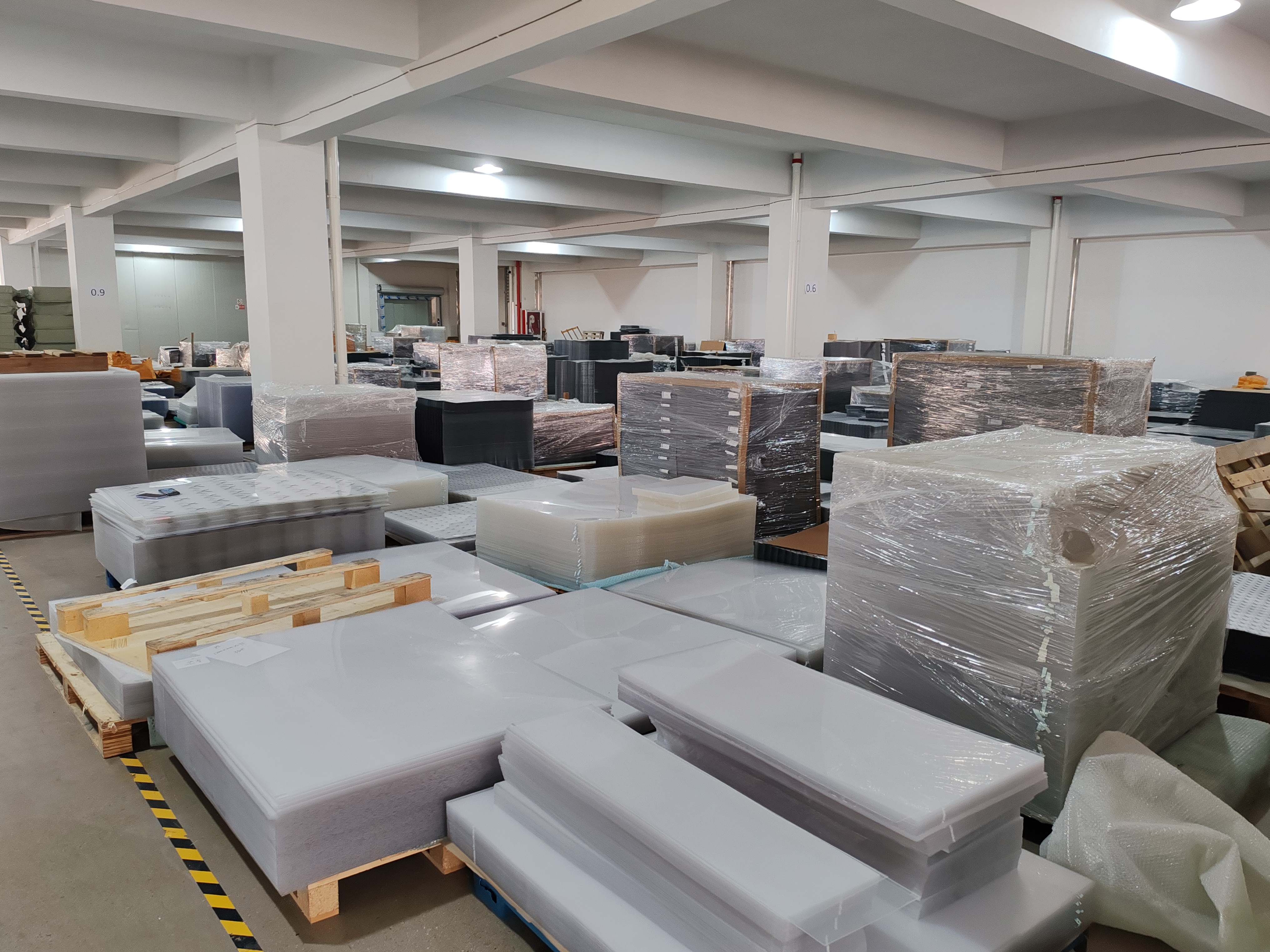
$1.15 available: In StockQuick Overview: Zhejiang Yifang New Materials, with 20 years of production and processing, international standards, and a daily output of 70 tons.
Acrylic colorful board - with excellent color performance, commonly used for fashion and trendy games or event displays
Acrylic colorful board is a special type of acrylic sheet manufactured through special optical design or precision embossing technology. Its core feature is the special optical effect of changing colors on the surface - under different light angles and viewing angles, the surface of the board will present flowing rainbow colors, metallic luster or gradient dreamy tones, with extremely strong visual impact. The characteristic of "inherent dynamic color" makes acrylic colorful board a "phenomenal material" in the current fashion trend, brand pop-up stores, art installations, and creative exhibition fields.
In the designer circle, acrylic colorful board is known as the "colorist of spatial atmosphere". It combines the engineering advantages of lightweight weather resistance and easy processing of acrylic material, while breaking through the traditional static color expression of colored acrylic. With a dynamic visual effect of flowing light, it endows space and products with a unique trendy artistic temperament, becoming a key design language to enhance brand recognition and attract young consumer groups.
The most prominent product feature of acrylic colorful board is its excellent color expression.
Unconventional acrylic maintains a crystal like transparency, but breaks through the constraints of size and color, creating a colorful and magical world. According to different manufacturing processes, colorful boards can be divided into the following sub types:
Colorful visual effects, process principles, applicable scenarios
Rainbow colorful board presents flowing rainbow ribbon under light, surface coating interference technology for brand door heads and image walls
Metal Colorful Plate Imitation Anodized Aluminum/Titanium Metallic Gloss Pearlescent Metallic Color Masterbatch Doped Electronic Products, Trendy Toy Accessories
Gradient colorful board color naturally transitions from one color to another multi-layer composite coloring lighting installation, artistic display
Chameleon colorful plate presents different colors with changing viewing angles, interference color coating technology, automotive interior, high-end retail
The transmittance and haze of different types of dazzling colors also vary: interference color (chameleon) dazzling plates have a transmittance of up to 60%~85% and a haze between 5%~15%. The visual effect dynamically changes with the viewing angle, making them the preferred choice for artistic creation and fashion decoration.
Acrylic colorful board is made of high-quality PMMA (polymethyl methacrylate) as the substrate, maintaining the excellent engineering properties of acrylic material:
High transmittance and intensity balance: The substrate transmittance can reach over 92%, and the light diffuses gently after passing through the patterned surface, creating a high-end atmosphere; The impact strength is 16 times that of ordinary glass, making it safe to use
Lightweight advantage: The density is only about 1.19~1.20 g/cm ³, which is about half of ordinary glass, making it easy to install and transport
Chemical stability: The surface hardness maintains a pencil hardness of 3H or above, with good resistance to chemical corrosion and no yellowing under normal usage conditions
Weather resistance: Some models have excellent UV resistance, and some can reach UL94 V-0 fire rating
Acrylic colorful board can be combined with precision embossing technology to stack dozens of popular patterns such as ice cracks, water ripples, bark patterns, stone patterns, bubble patterns, etc. on the colorful substrate. Through precision embossing technology, natural inspiration and geometric aesthetics are fused into high-quality PMMA substrate. The delicate texture effectively diffuses and refracts light, producing rich light and shadow effects, reducing glare, and elevating functional lighting to an artistic environment. The finer the pattern on the board, the more uniform the diffusion effect, the lower the glare index, and the higher the visual comfort.
Acrylic colorful board, with its unique color expression, has been widely used in multiple design fields:
In the trendy toy and collectibles industry, acrylic colorful boards are widely used in display boxes, blind box display racks, limited edition figurine display bases, and other products. The optical color changing effect of the dazzling plate adds a sense of technology and futurism to trendy toys, which is in line with the aesthetic preferences of Generation Z consumers. The transparency, color saturation, and overall aesthetic design of the product display rack directly affect the display effect and brand premium ability of the product.
Colorful acrylic sheets are widely used for background walls, brand logos, storefront decorations, and art installations in brand pop-up stores, car shows, fashion week shows, music festivals, and press conferences, becoming popular materials for attracting traffic and taking photos. Lightboxes made of colorful materials have the characteristics of good light transmission performance, pure color, rich color, beautiful and flat appearance, both day and night visual effects, long service life and no impact on use.
Separation between shopping malls and brand stores: creating a unique visual focal point
Caf é and hotel background walls: enhancing spatial artistic tone
High end display cabinets and illuminated signage: enhancing the style of exhibits
Jewelry, cosmetics, luxury goods display: Enhance product texture through dazzling optical effects
Colorful panels are also active in the home furnishing field: wardrobe doors, sliding doors, personalized furniture countertops, and bathroom partitions can all be endowed with artistic sense through colorful materials. In addition, as a lampshade material, the light passing through the colorful panel becomes softer and warmer, which can be used to create ambient lights, pendant lights, wall lights, etc. The diffused light reduces glare and improves lighting comfort.
Technology products such as phone cases, smart speaker panels, VR/AR device casings, and game console accessories are increasingly using colorful acrylic materials to enhance their "technological aesthetics" attributes.
The manufacturing process of acrylic colorful board is quite diverse, mainly divided into the following technical routes:
The casting process is a classic technique for producing high-quality acrylic colorful sheets. Mix liquid methyl methacrylate (MMA) monomer with colorants/interference pigments, catalysts and other raw materials in precise proportions, inject them into a sealed mold composed of two high-precision glass plates, and slowly heat them in a constant temperature oven. The liquid monomer gradually polymerizes and solidifies. After casting, the molecular chains are longer, arranged more tightly, and the material has a high molecular weight, excellent rigidity, strength, and chemical resistance. The glossiness is equivalent to the surface grade of high-quality products, making it suitable for processing large-sized identification plaques. The thickness range of the casting board is usually 12~30mm, and the three-dimensional texture can reach several millimeters. The thickness tolerance of the board is small, and the physical properties are better, suitable for high-end counters, furniture countertops, etc. But casting is an intermittent production method with a long production cycle, limited single batch output, and high cost. The crystallinity, transparency, and surface brightness of the products produced by the pouring process are the highest in the production process, and of course, the price is also the highest.
The extrusion process uses acrylic particles (PMMA resin) as raw material, which are melted at high temperature and continuously extruded through a die, cooled and shaped. The extrusion series acrylic colorful board (commonly with a thickness of 3-10mm) has high production efficiency, a board width of over 6 meters, significant cost-effectiveness, fine and uniform texture, and is suitable for large-scale applications such as partitions, ceilings, and light boxes. The internal stress of extruded sheet is slightly higher and the thickness tolerance is small (within ± 5%), but the controllability of color and pattern is limited by large-scale continuous production and special customization. If the project pursues reasonable cost-effectiveness and extremely short delivery time, extruded colorful boards are the ideal choice.
This is the core process for achieving the dazzling effects of "chameleon" and "metallic luster", including: vacuum coating process depositing single-layer or multi-layer metal oxide thin films on the surface of the board, using the principle of light interference to generate rainbow effect; UV curing coating technology involves roller coating the surface of the board with UV resin containing special optical pigments, which is rapidly cured by ultraviolet light. This process supports customized processing of any substrate, with extremely high flexibility.
Reference Table for Selection of Production Process of Colorful Plate
Process type, thickness range, texture effect, production cycle, price positioning
The casting process has a strong three-dimensional effect of 12-30mm and a depth of several millimeters, which is relatively long and high
Extrusion process with a fine and uniform texture of 3-10mm, suitable for large-area, short, economical and efficient production
Surface coating/coating is not limited to high gloss, high dry color effect, medium to high
5、 Common specifications and sizes
The common specifications and dimensions of acrylic colorful boards are as follows:
Thickness range: 0.5mm~50mm (customizable)
Standard sizes: 1220 × 2440 mm, 1250 × 2500 mm, 1500 × 3000 mm, 1830 × 1220 mm, etc
Color customization: Supports Pantone color card matching, can customize rainbow colors, metallic colors, gradient colors, chameleon colors and other dazzling effects, and multiple regular colors can be quickly supplied
Special customization: The maximum width can reach 3.6m, and special sizes can be customized for production
It depends on the specific thickness and surface treatment plan. In general, colorful boards are mostly used for indoor display scenes. If it needs to be applied outdoors, it is recommended to use casting process products with added ultraviolet absorbers and avoid unprotected coating on the board surface. Long term exposure can cause fading and shorten its lifespan.
High quality colorful boards are made of PMMA substrate with stable pigments and UV resistant formula. After adding sufficient UV absorbers during use, the outdoor life can reach more than 5 years, and the color will be as bright as new during use. But if low-quality products are selected or processing and cutting are not protected, colored dyes will still slowly fade when exposed to strong ultraviolet light.
Laser cutting, CNC engraving, and circular saw cutting are all acceptable. However, it should be noted that the interference coating during laser cutting may cause slight color changes in the edge heat affected zone; Professional acrylic adhesive is required to avoid damaging the colorful surface.
Colorful board belongs to the special category of acrylic sheets, and the cost of extruding ordinary materials with granular raw materials is relatively low. The chameleon series with casting interference coating technology is about twice as much as ordinary colored acrylic, and belongs to the higher budget level of engineering decorative materials.
Acrylic colorful board has achieved a qualitative leap in the design language of static acrylic sheets with its unique charm of "flowing light and color changing with light". The perfect combination of its diverse optical color effects and stable engineering performance has earned it high recognition from designers and brand owners in the fields of fashion and retail experiences, large-scale art exhibitions, and commercial space decoration. Whether it is prioritizing cost-effectiveness in material selection or prioritizing color artistry, acrylic glitter board is one of the important materials for achieving visual differentiation.
| product type | pet、ps、acrylic、acrylic mirror、pvc sheet,acrylic sheet |
| thickness | 0.35-300mm |
| Styles | 1220*2440,1220*1830,500*900,50*60,960*1950,700*900/Customization of various specifications and sizes |
| delivery time | 5-8day |
| manufacture | Yifang |
related products