Can laser cutting machines cut acrylic sheets
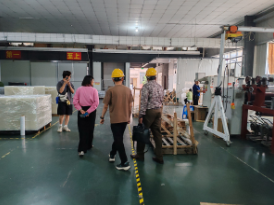
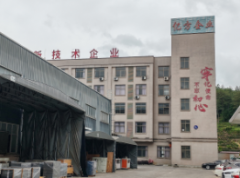
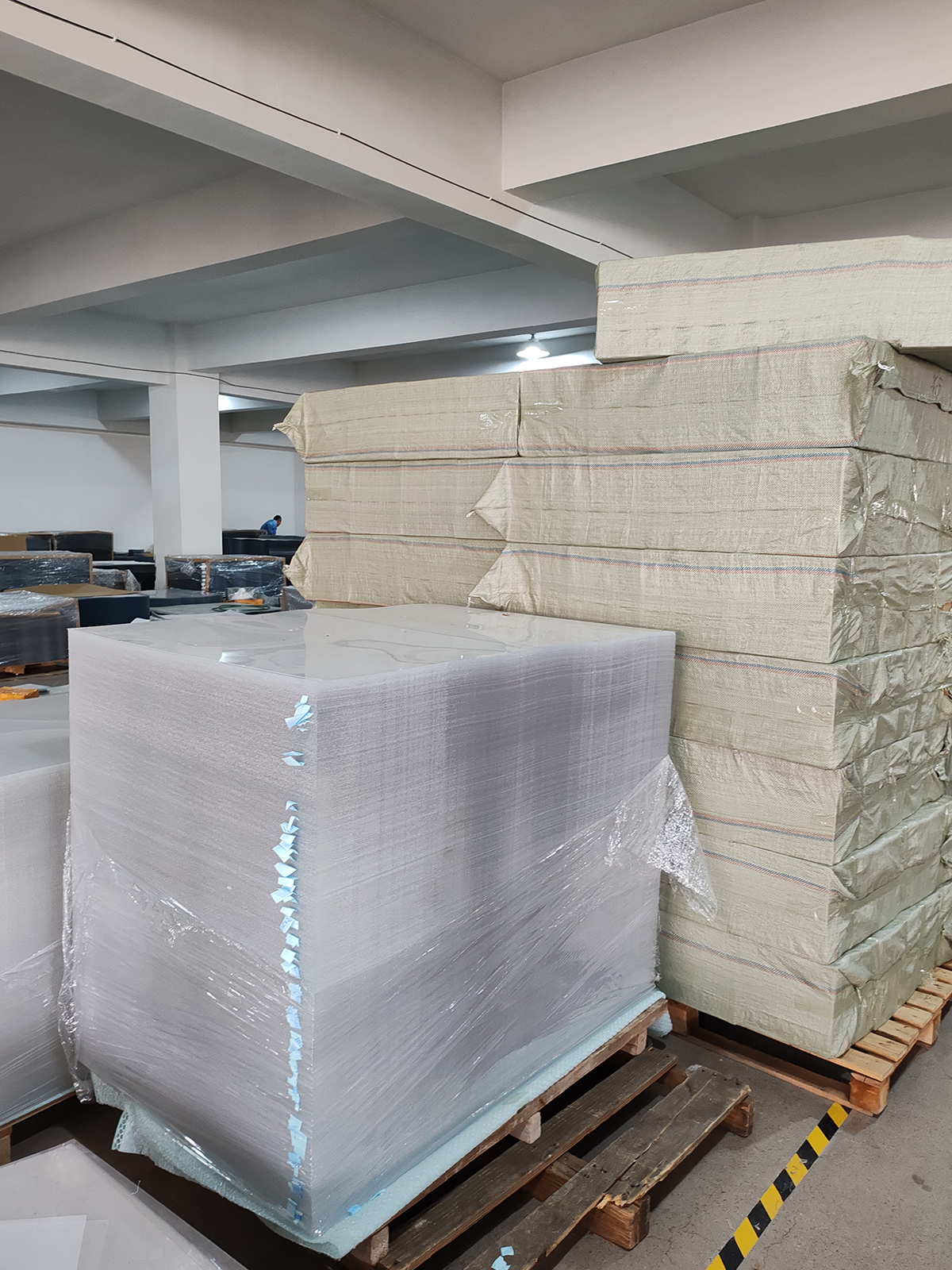
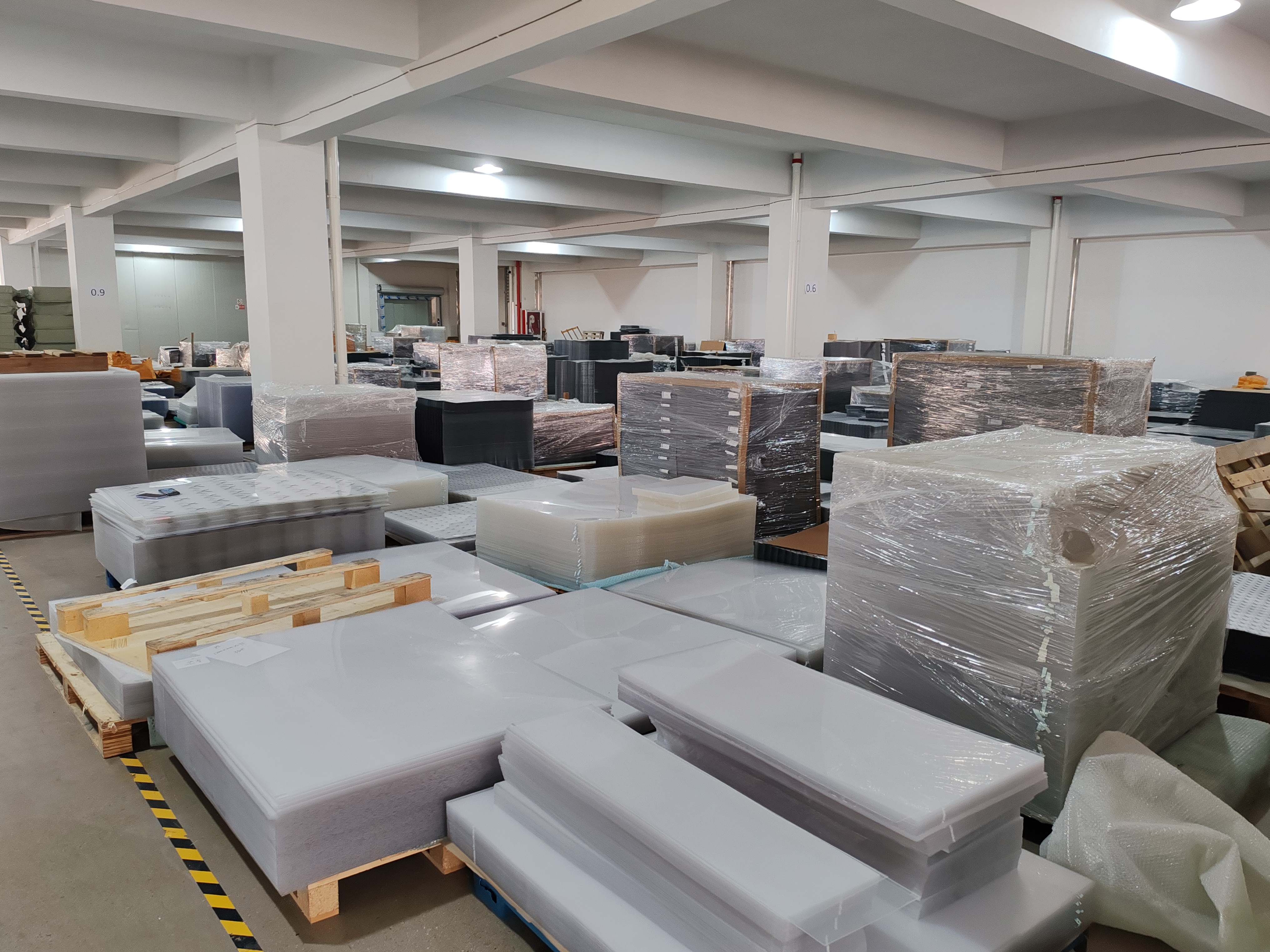
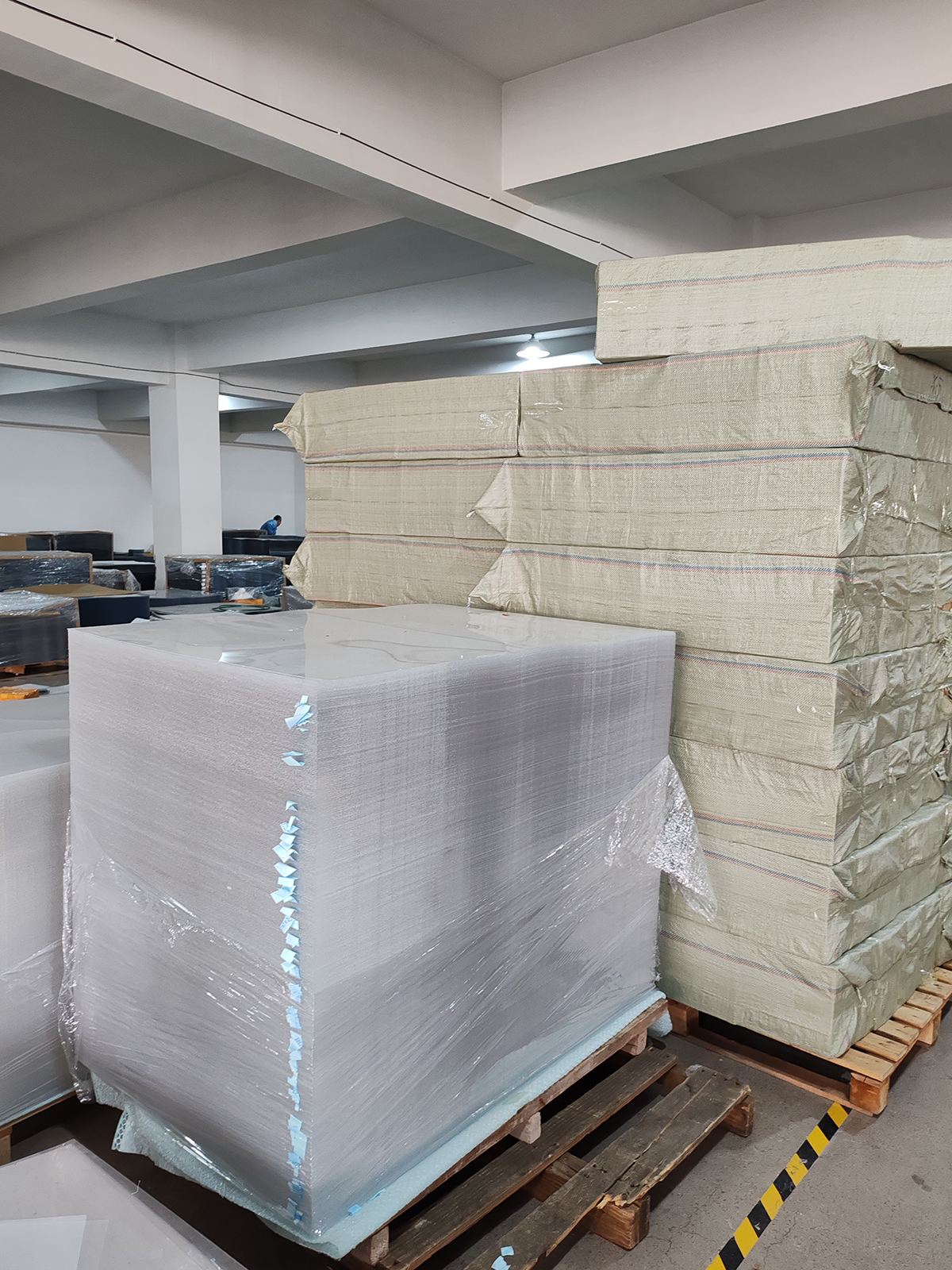
$1.15 available: In StockQuick Overview: Zhejiang Yifang New Materials, with 20 years of production and processing, international standards, and a daily output of 70 tons.
Can laser cutting machines cut acrylic sheets
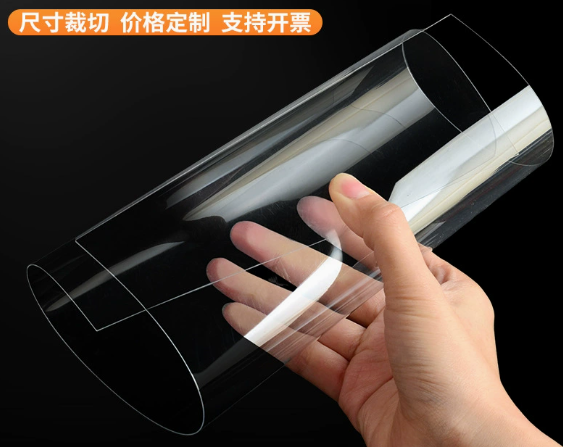
Laser cutting machine is capable of cutting acrylic sheets, and it is currently one of the main methods for processing acrylic sheets. Acrylic sheet, chemically known as polymethyl methacrylate (PMMA), commonly known as organic glass, is a thermoplastic with high transparency and good chemical stability. The laser cutting machine uses a high-energy laser beam to irradiate the surface of the acrylic sheet, releasing energy that rapidly melts and vaporizes the material, thereby achieving the purpose of cutting and carving. This processing method belongs to non-contact processing, and the entire process does not apply mechanical stress to the board, thus ensuring smooth and flat cutting edges without the need for post-processing.
The acrylic cutting effect using CO ₂ laser cutting machine is particularly excellent, with smooth and fine cutting surfaces, and even automatic polishing effect. Laser cutting of acrylic has many advantages, such as high processing accuracy (repeated positioning accuracy can reach ± 0.01mm to ± 0.1mm), fast processing speed, and high degree of automation. At present, laser cutting machines have been widely used in many fields such as organic glass products, acrylic crafts, window lenses, transparent chassis, advertising products, packaging boxes, display stands, crystal characters, etc.
There are three types of laser cutting machines commonly used in the market for cutting acrylic sheets:
1. CO ₂ laser cutting machine: This is the most mainstream and commonly used acrylic laser cutting equipment, with a wavelength of 10.64 μ m. CO ₂ laser is proficient in processing non-metallic materials such as wood, acrylic, leather, paper, fabric, etc., with balanced carving and cutting effects, mature technology, and relatively clear maintenance costs. The CO ₂ laser machine has fast cutting speed and high precision, and is suitable for cutting acrylic with a thickness generally within 10mm. A large laser cutting machine can be equipped with multiple laser tubes, and the cutting speed can reach about 3 meters per minute. The beam generated by CO ₂ laser cutting is very powerful and suitable for cutting thick materials such as acrylic and MDF boards, making it an economical and efficient choice.
2. Fiber laser cutting machine: Fiber laser is a new type of laser device with a wavelength of 1.06 μ m, which is also suitable for cutting and carving acrylic with a cutting thickness of less than 10mm. Fiber laser machines have the advantages of low power consumption, long lifespan, and good beam quality, but the cost is relatively high. It should be noted that fiber lasers have excellent performance in metal marking and fine carving, but they are usually not as economical as CO ₂ laser machines when cutting acrylic because higher power density is required to effectively cut non-metallic materials.
3. Fiber optic CO ₂ integrated laser cutting machine: This equipment integrates fiber optic laser heads and CO ₂ laser heads on one machine - fiber optic laser heads are used to cut metals (stainless steel, carbon steel, aluminum, etc.), and additional laser heads are used to cut non metals (acrylic, wood, medium density fiberboard, leather, etc.). One device solves 90% of the processing needs of advertising factories, achieving a perfect balance of metal+non-metal, cutting+carving, and can significantly reduce equipment investment costs.
4. Laser cutting machine: Laser cutting machine is an industrial equipment that uses laser beams to achieve material cutting, mainly serving the advertising decoration and building materials industry. Its core technology includes automated cleaning system and waste collection device, multi head collaborative cutting system, precision transmission mechanism and other core modules, supporting precision processing of non-metallic materials such as acrylic and density board. The cutting accuracy can reach ± 0.01mm, and the cutting thickness covers 1 to 30mm.
Laser power selection: Acrylic laser cutting machines are classified according to laser power, with common models including 40W, 60W, 80W, 100W, 120W, 150W, 300W, 450W, 600W, etc., to meet the cutting needs of materials with different thicknesses. Usually recommended: 40W-60W is suitable for thin plate cutting (about 3mm), 80W-120W is suitable for 5-10mm thickness, and 150W or above is suitable for thick plate cutting (10-20mm). The appropriate power needs to be selected based on the thickness of the processed material and the production scale.
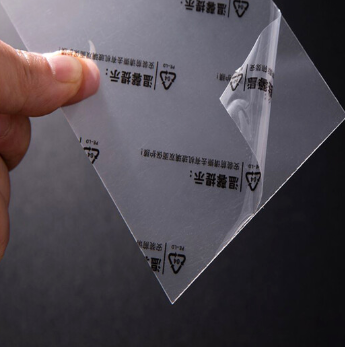
1. Material selection and pretreatment: There are many types of acrylic materials, and there is a significant difference between imported and domestic materials. Imported organic glass is cut very smoothly, while some domestic materials may produce bubbles due to excessive impurities. Before cutting, the material surface should be kept clean as dust and dirt can affect the laser processing effect. Some acrylic surfaces have a protective film. If the equipment does not have film cutting function, it is recommended to remove the protective film before cutting. After cutting, generally do not remove the protective film (do not remove it until before use) to prevent scratches. In addition, special attention should be paid to the difference between cast acrylic and extruded acrylic when cutting: cast acrylic has no burrs but is less prone to flame polishing edges, while extruded acrylic can form flame polishing cutting edges.
2. Laser parameter setting: Among the laser parameters, power, speed, and focus are the main cutting parameters. Cutting thicker acrylic requires higher power, but excessive power may cause edge melting, while insufficient power may prevent complete cutting. Generally speaking, acrylic requires a higher laser frequency because it can transfer energy more evenly to the material, resulting in a glass like transparent flame polished appearance. Common parameter suggestions: Set the casting frequency of acrylic to 5000-20000Hz, and the extrusion frequency of acrylic to a maximum of about 5000Hz. The speed generally does not exceed 3 meters per minute. It should also be noted that a frequency that is too low may result in fine lines, and a cutting speed that is too slow can widen the incision and increase the risk of fire. It is recommended to repeatedly test with scraps before formal batch processing to find the most suitable combination of power and speed.
3. Processing method and multiple cutting: If the laser power is insufficient, using slow and high power for a single cutting can easily result in edge burning. At this point, the speed can be increased and the power reduced, and then the processing can be repeated multiple times to reduce heat accumulation during cutting and avoid edge overburning. For thick plates with a thickness exceeding 15mm, it is recommended to use imported high-power lasers, reduce the cutting speed appropriately, and increase the number of cutting passes to ensure complete penetration.
4. Ventilation, smoke exhaust, and fire prevention: Laser cutting of acrylic produces a large amount of exhaust gas, dust, and steam, so exhaust equipment must be equipped to ensure industrial grade exhaust and ventilation conditions. If the wind is too low during cutting, it will not only cause smoke and dust accumulation, affect observation and cutting effect, but also increase the risk of fire. At the same time, do not allow excessive accumulation of paper or film residue on the material during cutting, as it can also cause combustion and carbonization, affecting the quality of the edges.
5. Equipment maintenance and cooling: A well functioning equipment is the foundation for smooth processing. Regularly maintain and upkeep the laser cutting machine, especially the optical path and mechanical axis. The focusing lens is prone to contamination from long-term exposure to smoke and dust. If not cleaned in a timely manner, it can cause the light path to deviate, affecting the processing effect. Linear guides should also be lubricated, as the smoke and dust generated by cutting can corrode the guide rails. In addition, laser cutting machines generate a large amount of heat during operation, and CO ₂ laser tubes or semiconductor modules require an effective heat dissipation system to ensure long-term stable operation.
6. Focus adjustment: During acrylic laser cutting, the focus position directly affects the cutting quality. When carving acrylic, the focus should be set to a slightly farther position than usual, about 1.6 millimeters lower, to make the carving effect softer. When cutting thick plates, it is recommended to focus on the lower part of the material thickness to ensure sufficient energy on the lower surface. At the same time, it is important to choose the correct lens. 2.5-inch lenses are typically suitable for acrylic sheets with a thickness of approximately 3/8 to 1/2 inch.
In addition to laser cutting machines, there are various devices and methods available for cutting acrylic sheets. Different methods have their own applicable scenarios and advantages and disadvantages:
1. Manual cutting (hook knife/art knife): suitable for thin plates with a thickness of less than 3mm, simple straight cutting, and small batch operations. Low cost, simple operation, and no need for professional equipment. However, it has low accuracy, rough edges, requires polishing, and is not suitable for thick plates. Step: Align the steel ruler with the cutting line and repeatedly scratch along the edge 5-10 times until the depth reaches more than 1/3 of the thickness of the board. Move the board to the edge of the table and quickly press down to break the scratch.
2. Electric sawing (circular saw/table saw): suitable for cutting thick plates or large quantities of straight lines. Electric saws have faster cutting speed and higher efficiency, and can adjust the speed and force of the saw blade. Use a fine toothed saw blade (recommended for specialized plastic saw blades with multiple teeth), adjust the blade height slightly higher than the thickness of the board, fix the board with a fixture, and push the cutting at a constant speed to prevent edge breakage. Disadvantages: It can only cut straight lines and regular shapes, and cannot cut curved shapes. The cutting edge may not be smooth enough and requires subsequent polishing treatment.
3. CNC engraving machine: suitable for medium thick plates (≤ 25mm) and high-precision requirements. CNC engraving machines perform automated processing through pre-set programs, capable of completing complex engraving and cutting tasks, and can perform 3D stereoscopic machining. It is recommended to choose a double-edged spiral milling cutter for the cutting tool, with a recommended speed of 18000-24000RPM. Disadvantages: Slow cutting speed, high generation of debris, tool wear, and high cost. Suitable for those who require extremely high cutting accuracy, deep carving or stereoscopic effects.
4. Hot knife/electric wire cutting: suitable for curved cutting and thick plate (≤ 10mm). The electric knife cuts acrylic sheets by heating the blade, without producing debris during the cutting process, and the cut is smooth. A curved saw can cut complex curved shapes and is suitable for situations that require fine machining. Disadvantages: Edge melting marks, need to be polished, high operational skills required.
5. Water jet cutting: suitable for ultra thick plates (≥ 50mm) and situations without thermal deformation requirements. Water jet cutting has no thermal impact, adapts to extremely thick materials, and has high precision. Disadvantages: expensive equipment, high maintenance costs, slow cutting speed, and obvious oblique edge phenomenon.
6. Wire saw cutting: suitable for thick plates (≤ 50mm) and complex contours. Low cost and strong adaptability. Disadvantages: slow speed, rough edges, post-processing required, average accuracy.
Q1: Does laser cutting of acrylic produce a pungent odor?
meeting. Laser cutting of acrylic will produce smoke and odor, and the material itself will produce certain gasification products when heated and decomposed. Therefore, it is necessary to ensure good exhaust and ventilation conditions. The odor is less when cutting with brand new sheet metal, while the odor is more pungent when cutting with recycled sheet metal. It is recommended to activate the strong smoke exhaust system and wear a protective mask during cutting.
Q2: Why does the edge of laser cut acrylic board turn yellow/black (yellow edge)?
This is the most common problem, mainly due to excessive heat input or delayed heat dissipation/slag discharge. Excessive laser power, slow cutting speed, insufficient or impure auxiliary gas pressure, and incorrect focus position may all cause yellow edges. The solutions include: reducing the laser power (by 5% -10% each time), increasing the cutting speed, increasing the auxiliary gas pressure (3-5 bar for thin materials, 7-10 bar for thick materials), and aligning the focus to the surface or slightly below the board. In addition, the use of small industrial chillers can effectively reduce processing temperatures and minimize the occurrence of yellow edges.
Q3: What should I do if the acrylic sheet cannot be cut through by laser cutting?
Impermeability usually occurs during thick material cutting. The core reason is insufficient energy input or uneven energy distribution. Possible reasons include: insufficient laser power (recommended power above 150W for 15mm and above), too fast cutting speed, incorrect focus position (too shallow or too deep), optical path deviation or lens aging. Solution: Prioritize increasing power (recommended for 20mm acrylic with 200W or more), reducing cutting speed, recalibrating the focus to 1/2-2/3 of the material thickness, cleaning the reflector and focusing lens.
Q4: What should I do if there are burrs or residues on the incision of laser cutting acrylic board?
The main reason for burrs and residues is that the molten material is not effectively blown away, or insufficient energy input leads to incomplete gasification of the material. Low auxiliary gas pressure, fast cutting speed, insufficient laser power, and clogged gas nozzle can all lead to this situation. You can gradually increase the air pressure (0.5-1 bar each time), reduce the cutting speed appropriately, increase the power appropriately for thick materials, and clean the air nozzle to ensure that the airflow is vertically aligned with the cutting point to solve the problem.
Q5: Is there a thickness limit for laser cutting acrylic sheets?
have Generally, the domestic laser tube power of CO ₂ laser cutting machine is about 400 watts or less, and the processing material thickness is below 40mm. However, in actual cutting, thick plates over 20mm require high-power lasers and sufficient ventilation and smoke exhaust equipment. It is recommended to use multiple cutting or thick material specific parameters. If the laser tube power is not very high and the precision requirements for thin materials are relatively high, the cutting speed generally does not exceed 3 meters per minute.
Q6: What should I do if the acrylic sheet deforms during laser cutting?
Acrylic material has poor thermal conductivity, and the thermal effect during laser cutting can easily cause local shrinkage or expansion, leading to a decrease in cutting path accuracy or board warping. Solution: Adopt a cutting sequence from inside out and from short side to long side to reduce heat accumulation; Reduce power appropriately and increase speed to reduce heat input per unit area; Multiple repeated cutting can be used for thick material cutting instead of a single slow high-power cutting. Simultaneously using cooling equipment (industrial chillers) can also effectively reduce thermal deformation.
Q7: Is laser cutting acrylic safe?
Laser cutting of acrylic is safe under proper operation and good ventilation conditions. However, it should be noted that smoke and fine particles will be generated during cutting, and a strong smoke exhaust system must be equipped; Acrylic is flammable and should be kept away from sources of fire; Wear goggles during operation to prevent laser reflection from injuring the eyes; Regularly inspect equipment grounding and fire safety measures; Ensure that the cutting area is clean and flammable materials are kept away from the laser work area.
| product type | pet、ps、acrylic、acrylic mirror、pvc sheet,acrylic sheet |
| thickness | 0.35-300mm |
| Styles | 1220*2440,1220*1830,500*900,50*60,960*1950,700*900/Customization of various specifications and sizes |
| delivery time | 5-8day |
| manufacture | Yifang |
related products