Casting acrylic board selection guide Choose thickness according to the scene without wasting money
$1.15 available: In StockQuick Overview: Zhejiang Yifang New Materials, with 20 years of production and processing, international standards, and a daily output of 70 tons.
Casting acrylic board selection guide: Choose thickness according to the scene without wasting money
Choosing the wrong thickness is one of the most common procurement errors in the processing of acrylic products. A 1.2-meter-long lightbox was made with a 6mm board, but the middle of the panel collapsed; Using a 15mm board to make a small data rack resulted in cost overruns and customer complaints - similar situations are not uncommon in the industry.
In fact, there is no unified standard for the thickness selection of cast acrylic sheets, but it needs to be comprehensively judged based on multiple factors such as usage scenarios, dimensions, load-bearing requirements, and processing methods. After spending a long time researching performance indicators, the procurement decision ultimately falls on a very practical question: "How thick is the appropriate thickness for this board?" This article will provide a clear thickness selection method based on the actual needs of different application scenarios, helping you make the best decision according to your specific project, saving money and making the board truly usable.
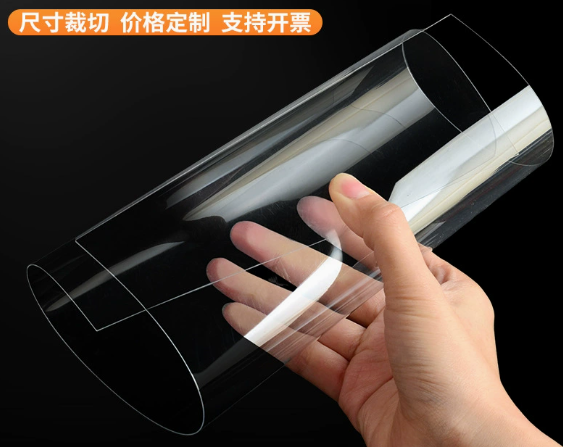
The conventional thickness range for casting acrylic is between 1mm and 200mm, and the most common ones on the market are mainly divided into three categories: thin plate, medium thick plate, and ultra thick plate. Thin plates (1-5mm) are suitable for lightweight display and decorative panels, medium thick plates (6-15mm) are suitable for conventional advertising light boxes and load-bearing display stands, and ultra thick plates (16mm or more) are used for large engineering projects and industrial structural components. Different manufacturers have different emphasis on thickness specifications, some specialize in 20mm-800mm ultra thick plates, while others have a large production capacity in the full range of 0.8mm-50mm universal plates.
In the domestic market, representative manufacturers include: Chengdu Shenchun can produce 1.8-300mm cast plates and 0.5-12mm extruded plates, supporting non-standard customization; Jiangsu Xitu specializes in ultra thick plates ranging from 20-800mm, with a maximum seamless surface area of 9.5 meters by 3.5 meters; Shanghai Tangchen, Zhanyu New Materials and other manufacturers have strong competitiveness in the conventional board field of 1.5-50mm.
1. High molecular weight and stable structure
Cast acrylic is formed by polymerizing liquid monomers in glass molds, with high molecular weight, long and flexible molecular chains, and is not easily deformed or cracked. It can maintain structural stability for a long time in high temperature or outdoor environments, and has outstanding performance in hot forming and internal stress control.
2. Excellent light transmittance and edge transparency
The light transmittance of the cast board can reach 92% -98%, which is much higher than the 92% of the extruded board. There are no pockmarks on the edges, and after flame polishing, it presents a crystal clear effect, which is very suitable for high-end displays and optical applications that require beautiful edges.
3. Thick touch, suitable for high-end customization
Due to its tighter molecular structure and wider thickness range, the cast board gives a thicker and stronger feeling when used, making it particularly suitable for customized projects with high visual and tactile requirements such as high-end display cabinets, shop windows, and ornaments.
For application scenarios that require load-bearing or long-term use, it is particularly important to distinguish the quality of casting board raw materials. Here are two key identification points related to thickness:
1. Thickness tolerance inspection
Measure the thickness from the four corners and middle of the board using a vernier caliper, and record the data for comparison. The thickness of the new material casting plate is stable, with a tolerance controlled at around 0.1mm to 0.2mm; The thickness of the return sheet is unstable, with a maximum difference of up to 0.5mm, and there are many bubbles inside the sheet. Especially for thick plates that require load-bearing, uneven thickness can lead to uneven stress and accelerate plate deformation. Special attention should be paid to the manufacturer's tolerance control capability when customizing ultra thick plates.
2. Observe the color of the cross-section and bubbles
Stand the board upright and observe the cross-section facing natural light. The cross-section of the pure new material casting board is transparent, colorless or uniformly colored, with extremely small bubbles; The cross-section of the return plate is yellow with large and numerous bubbles. This method is simple and intuitive, and is a reliable means of evaluating the purity of sheet materials.
In addition to thickness related inspections, smelling the cutting odor, checking the quality of the protective film, checking the manufacturer's raw material source certificate and third-party testing reports are also important steps in comprehensively judging the quality of the board. Especially before bulk procurement, requesting samples for on-site comparison is an effective method to avoid subsequent batch issues.
Cast plates are particularly widely used in the following scenarios due to their wide thickness coverage and strong processing flexibility:
1. Advertising lightbox panel
Outdoor large light boxes usually use cast boards ranging from 5mm to 8mm, which balance transparency and structural strength. The large-scale application of lightboxes requires high flatness of the board. Insufficient thickness can cause collapse and deformation, while excessive thickness can increase costs and weight.
2. Display shelves and cabinets
Small display stands such as cosmetics display stands, phone stands, and restaurant counter cards are commonly used with a thickness of 3-5mm; Medium sized display cabinets with a height of 60-100cm are commonly used with a thickness of 6-10mm; heavy-duty display racks over 1 meter require a thickness of 12mm or more. Load bearing and size are the two core variables for selecting thickness.
3. Architecture and Aquarium Engineering
Large scale projects such as aquarium observation windows, hotel infinity pools, and art installation exterior walls often use ultra thick cast panels of 20mm or more. Jiangsu Xitu supplies 3.04 million yuan of acrylic project to Shandong Dezhou Aquarium, with a board thickness of over 200mm and a maximum seamless board surface of 9.5 meters by 3.5 meters. The application of such ultra thick plates requires high production capacity and seamless splicing technology from manufacturers.
4. Furniture and bathroom
Acrylic bathtubs, shower rooms, kitchen cabinets, etc. commonly use medium thick plates ranging from 5mm to 10mm, which not only ensure load-bearing capacity but also facilitate processing and insulation.
Q1: How to choose the appropriate thickness based on the usage scenario?
The following are thickness reference suggestions divided by application scenarios:
Suggested thickness explanation for application scenarios
Small display racks, mobile phone stands, and restaurant table cards with a safe load-bearing capacity of 3-10 kilograms within a span of 3-5mm and 30cm
Frame lining, poster interlayer, 1-2mm model base plate for stress free scenes, flexible and bendable
Light box panel, medium-sized display cabinet (60-100cm high) 6-10mm 50cm span, safe load-bearing capacity of 15-40kg
Large outdoor signage and rooftop large characters 10-15mm need to consider wind pressure, and it is recommended to thicken them for large areas
Aquarium, indoor partition, heavy-duty display rack 12-20mm, 80cm span, load-bearing capacity of 50-100 kilograms+
Aquarium observation windows, large swimming pools, and engineering structures with 20-800mm thick plates require professional customization from manufacturers
Q2: Does thickness have an impact on transmittance?
There is a certain impact, but the change is not significant. When the thickness of the transparent casting board increases, there will be a very slight decrease in light transmittance. For every 10mm increase in thickness, the light transmittance decreases by about 0.5%, which is almost indistinguishable to the human eye. Therefore, when choosing thickness, there is no need to worry too much about thickness in order to "maintain transparency". As long as the board is a high-quality board produced from brand new materials, you can confidently choose the required thickness.
Q3: Why does it deform? How to avoid deformation?
The deformation of acrylic sheets is mainly caused by three factors: improper thickness to span ratio (sheet too thin, span too large), uneven back wall during installation, and long-term exposure to high temperature and humidity environment leading to moisture absorption and expansion. The methods to avoid deformation include: selecting sufficient thickness (≥ 5mm) for large-sized applications, ensuring a flat back and reserving expansion joints during installation, prioritizing UV resistant and high thickness casting boards (moisture absorption rate controlled at 0.3% -0.4%) for long-term exposure to humid and hot environments, and providing good ventilation and moisture removal conditions as much as possible.
Q4: Is thicker safer? The thicker the better?
Not really. Increasing the thickness will indeed enhance the load-bearing capacity and impact resistance of the board, but it will also lead to increased costs and weight. Using a 15mm board to make a small data rack is not only unnecessary, but may also result in significant cost overruns. The key to choosing thickness is to find a balance between cost, performance, and installation requirements, rather than blindly pursuing "thickness". By estimating the minimum safe thickness through conventional reference tables and selecting it under processing conditions, unnecessary thickness consumption can be reduced, and the budget can be used where it is truly needed.
Q5: What should I pay attention to when choosing besides thickness?
In addition to thickness and scene, when selecting casting plates, the following factors should also be considered: raw material grade (whether it is pure new material, whether the UV resistant formula is sufficient), manufacturer qualifications (ISO certification, testing report, warranty period), processing support (whether it can provide full process services such as CNC cutting, engraving, hot bending, etc.), and packaging logistics (professional packaging, logistics timeliness, after-sales response). Conduct a comprehensive evaluation as much as possible to avoid focusing solely on thickness and neglecting quality, which may affect the overall project delivery quality.
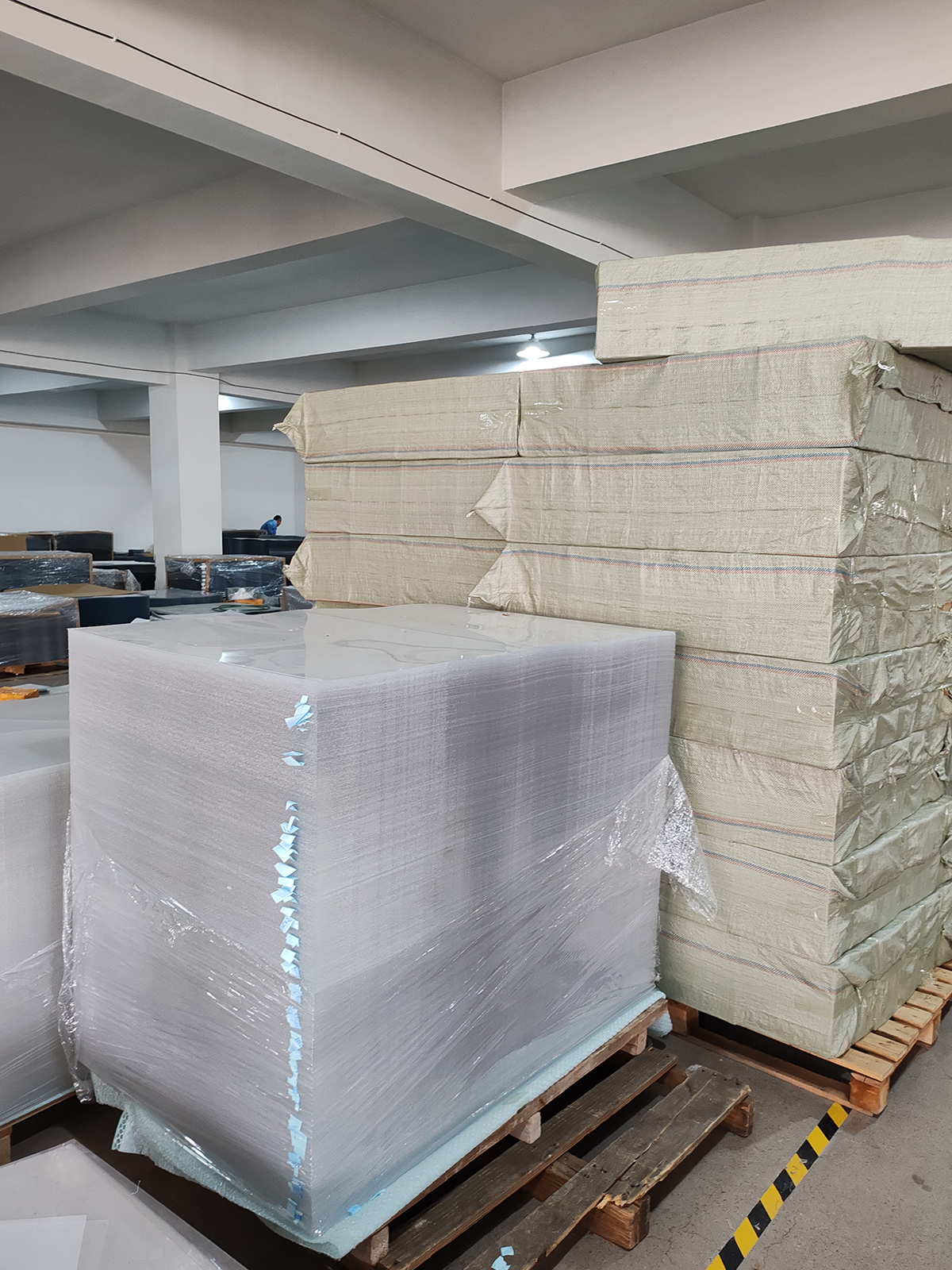
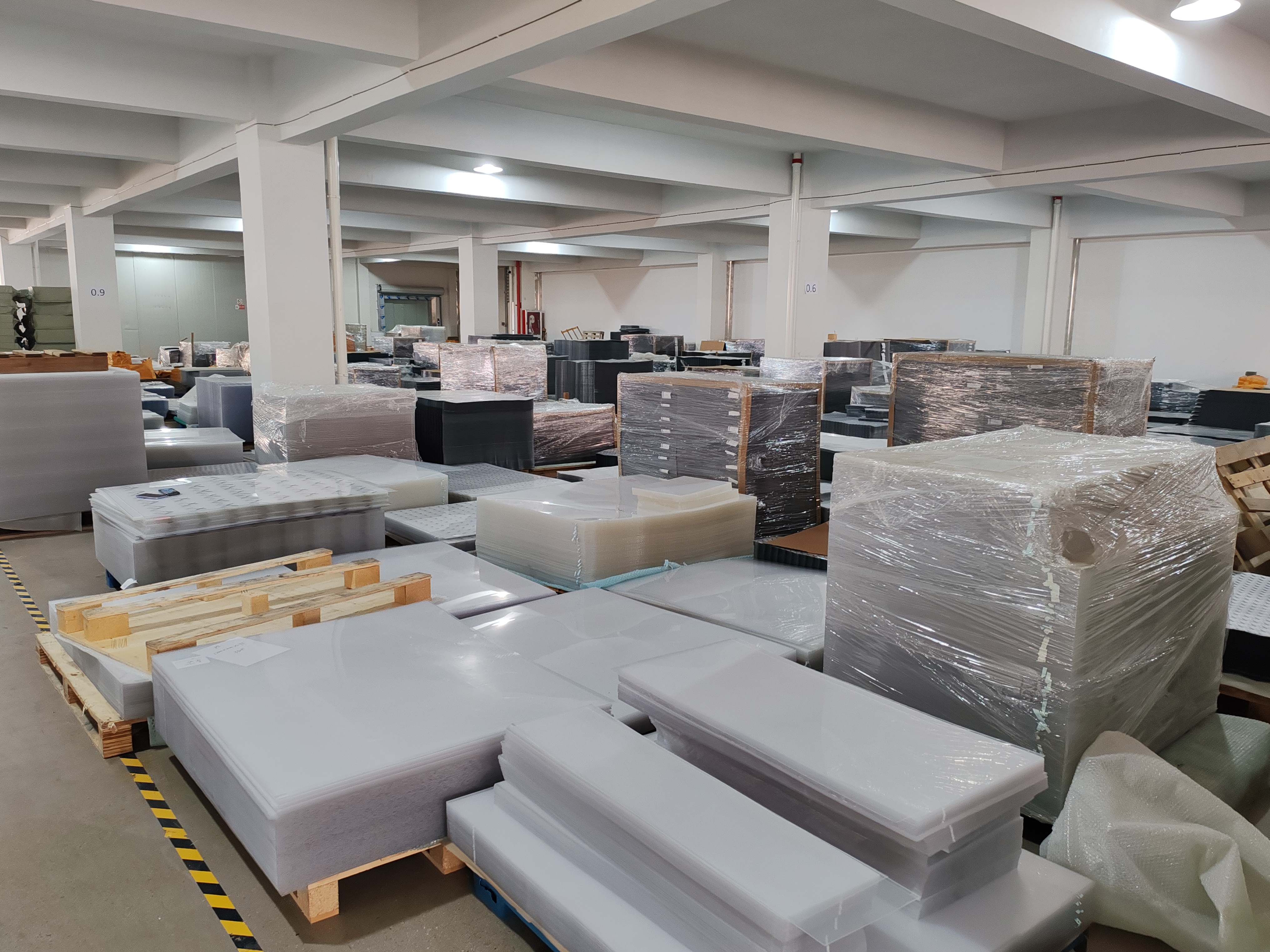
Our factory has been deeply involved in the field of casting acrylic for many years. We use 100% high-quality PMMA new raw materials to produce casting boards, covering a full range of thicknesses from 1mm to 200mm. Standard sizes of 1220 × 2440mm and 1220 × 1830mm can be supplied. Add sufficient UV absorbers to ensure that outdoor use does not yellow or fade for 5-10 years. At the same time, it is equipped with CNC precision carving, laser cutting, hot bending and other full process processing equipment, with an accuracy of ± 0.01mm. Welcome to contact us for thickness selection table and samples. We can provide you with free selection suggestions and sampling services, so that you can choose the truly durable cast acrylic board at once without wasting money.
| product type | pet、ps、acrylic、acrylic mirror、pvc sheet,acrylic sheet |
| thickness | 0.35-300mm |
| Styles | 1220*2440,1220*1830,500*900,50*60,960*1950,700*900/Customization of various specifications and sizes |
| delivery time | 5-8day |
| manufacture | Yifang |
related products