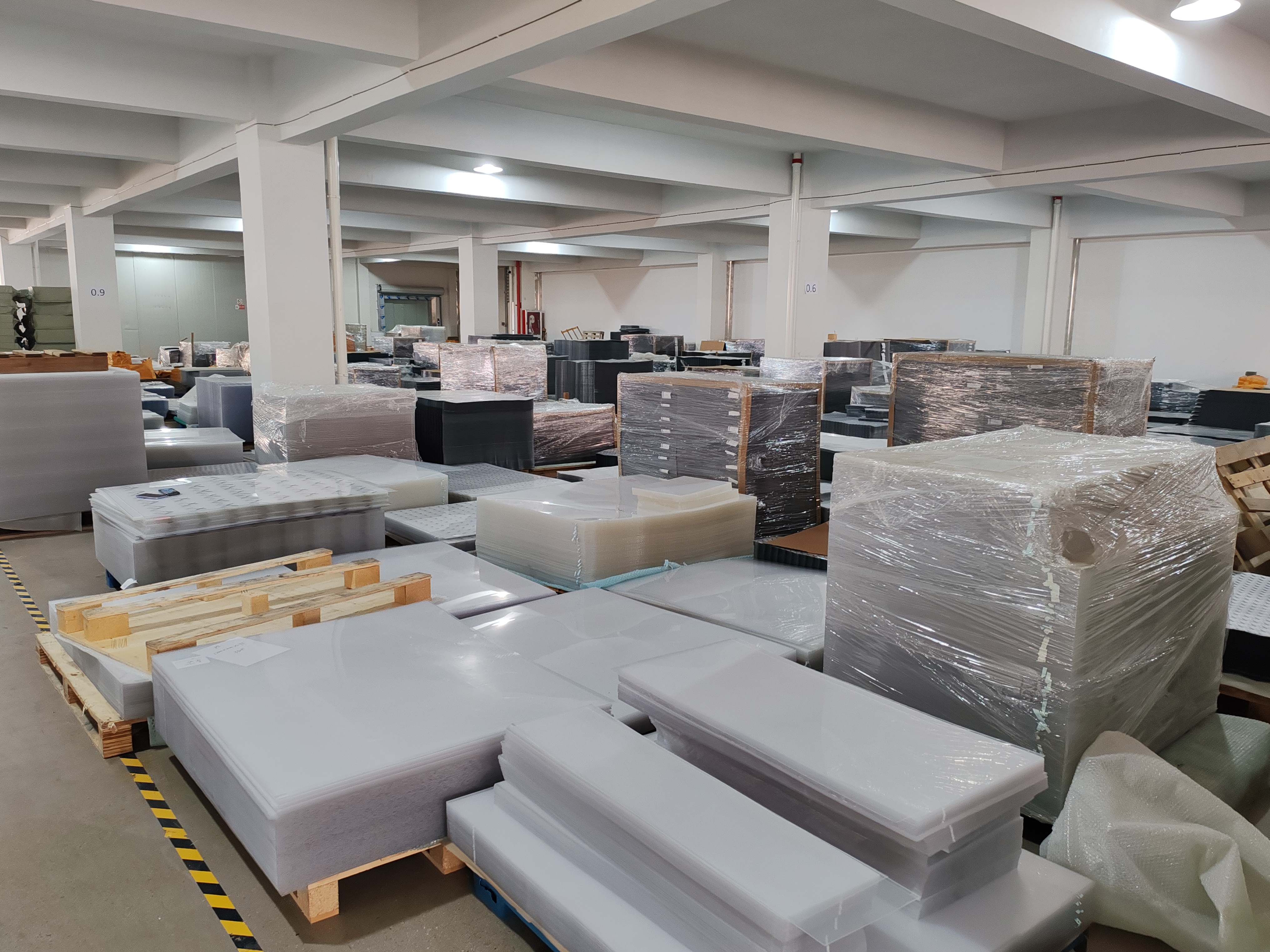
Characteristics and identification skills of transparent cast acrylic board
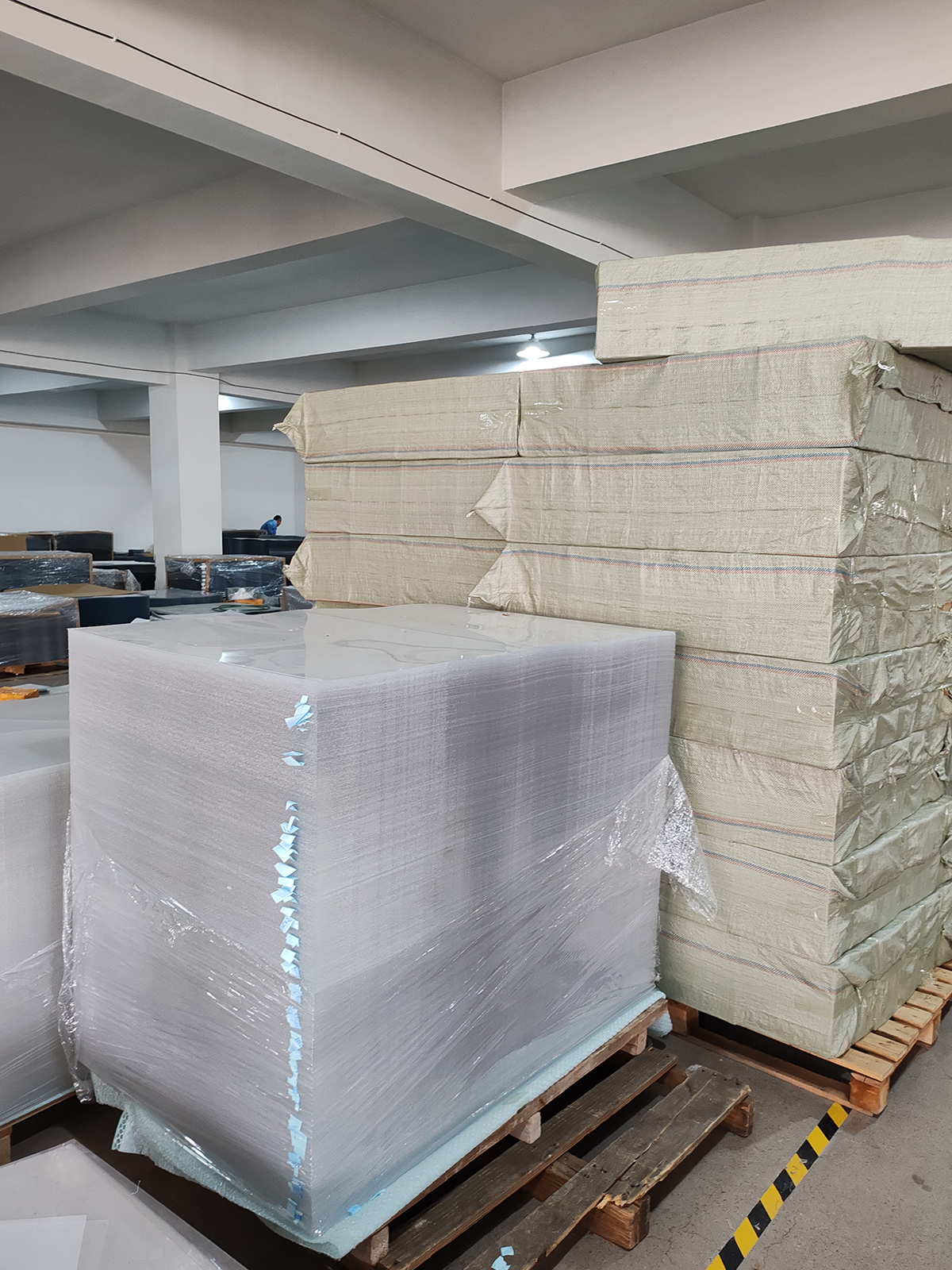
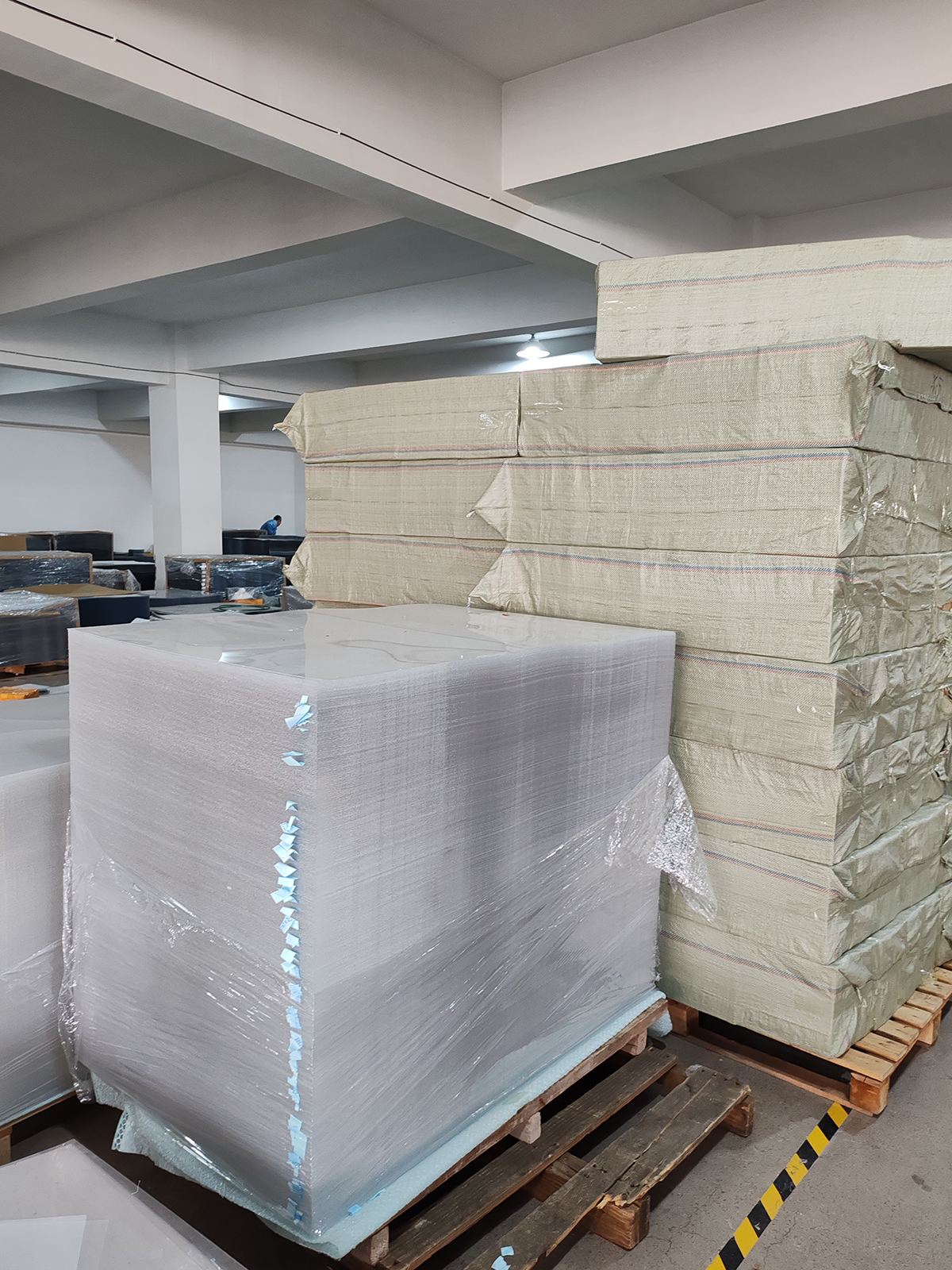
$1.15 available: In StockQuick Overview: Zhejiang Yifang New Materials, with 20 years of production and processing, international standards, and a daily output of 70 tons.
Characteristics and identification skills of transparent cast acrylic board
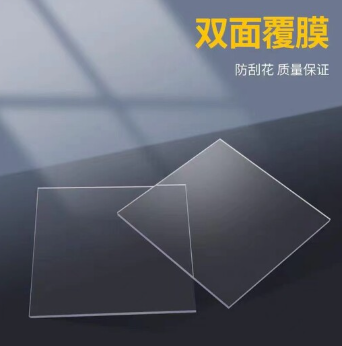
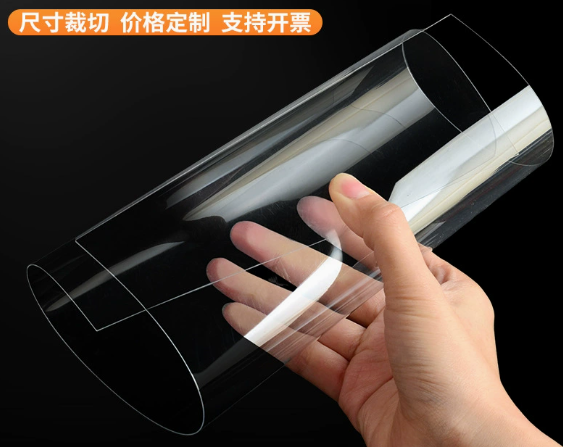
Transparent cast acrylic sheet is one of the most widely used categories in the acrylic family. It has both the reputation of "plastic crystal" and the advantages of being lighter, safer, and easier to process than glass. But the quality of transparent casting boards on the market varies greatly - some are labeled as "transparent casting boards", with a light transmittance of up to 98%, while others turn yellow and blue; Some outdoor areas remain as bright as new even after ten years of use, while others develop cracks within six months.
Learning to distinguish the quality of transparent casting boards is the first step in precise procurement. This article will provide you with a complete set of quality identification guidelines for transparent casting boards from four aspects: thickness specifications, core characteristics, size system, and identification techniques.
The conventional thickness of transparent cast acrylic sheet is available from 0.8mm to 50mm or above. Common thicknesses include: 1 mm、1.8mm、2mm、3mm、4mm、5mm、6mm、8mm、10mm、12mm、15mm、20mm、25mm、30mm、40mm、50mm Wait. Among them, 3-5mm is the main specification with the largest market demand.
Method for identifying whether the thickness meets the standard
Method 1: Multi point measurement with caliper
Measure the thickness at the four corners and in the middle of the board. The thickness tolerance of high-quality cast plates is stable at around ± 0.2mm; The thickness of the return plate is unstable, with a maximum difference of up to 0.5mm.
If significant differences in thickness are found at different positions of the board, it indicates that there are problems with the production process or raw materials.
If the merchant claims 5mm but the actual measurement is less than 4.5mm, it is a typical "thickness shrinkage".
According to the international standard ISO 7823, the tolerance calculation formula for cast plates is ± (0.4+0.1 x thickness). For example, the tolerance of 2mm casting plate is about ± 0.4mm. It is recommended to confirm the thickness tolerance range with the manufacturer in advance when purchasing.
The core characteristics of transparent cast acrylic sheets can be summarized into the following six points:
1. Ultra high transmittance -92% -98%
The light transmittance of the casting board can reach 92% -98%. A good transparent casting board emits pure light without yellowing or blurriness when illuminated with white light.
2. Excellent impact resistance -6-17 times that of glass
The impact strength of acrylic is 6 to 17 times that of ordinary glass. Even if impacted, it is not easily shattered, and even if damaged, it will not form sharp fragments.
3. Excellent weather resistance -8-10 years outdoors
After adding UV absorbers, the outdoor service life of transparent casting boards can reach 8-10 years. Long term outdoor use is not prone to "brittleness" phenomenon.
4. Lightweight - with a density only half that of glass
The density of acrylic is about 1.19-1.20g/cm ³, which is only half of that of ordinary glass. Lightweight and safe installation when making large external advertising light boxes.
5. Excellent processing performance - hot forming temperature of 140-180 ℃
Casting boards can be painted, silk screened, vacuum coated, as well as sawed, drilled, and machined. The hot forming temperature range is 140-180 ℃, and the hot deformation temperature is about 100 ℃.
6. Good chemical resistance
Acrylic has good weather resistance and acid and alkali resistance, and will not cause yellowing or hydrolysis due to long-term exposure to sunlight and rain.
The size system of transparent cast acrylic board is perfect:
standard size
The most commonly used size is 1220 × 2440mm (4 feet × 8 feet), with a single sheet area of approximately 3 square meters. In addition, there are various specifications such as 1220 × 1830mm (4 feet × 6 feet), 2050 × 3050mm, 1000 × 2000mm, etc.
Custom size
Support customization of any size as needed. Some manufacturers can achieve a one-time molding size of 3000 × 11000mm. Any non-standard size can be accurately processed according to customer drawings.
Corresponding size and thickness
The larger the board area, the stricter the requirements for thickness tolerance. When customizing large boards (such as 1700mm × 1900mm or more), the thickness tolerance can be appropriately increased.
Q1: How to quickly distinguish between transparent casting board and transparent extrusion board?
Here are the four most practical methods of identification:
Look at the edges: The edges of the casting board are smooth and transparent, without any blemishes, and the edges are very transparent; The edges of the extruded board may have pockmarks or even turn yellow and black.
Transparency: The transparency of the casting board can reach 92% -98%, and the light is pure; Squeeze out about 92% of the board.
Smell: The new material casting board has a small odor and less smoke when cutting; When cutting boards containing recycled materials, there is a strong odor and a lot of smoke.
Check thickness tolerance: The casting plate tolerance is ± (0.4+0.1 x thickness); The tolerance of the extruded board is smaller.
Q2: How to determine whether the transparent casting board is made of brand new material or recycled material?
Comprehensively apply the following methods:
Transmittance: Pure new material with pure white light irradiation, no yellowing or blurriness
View cross-section: Pure new material cross-section is transparent and colorless; Yellow cross-section of recycled materials
Smell: The new material cut has no irritating odor; Recycled material cutting has a pungent odor
Combustion test: The new material burns with clear flames and no black smoke; Recycled materials burn with black smoke and a pungent odor
Choose qualified manufacturers: Priority should be given to manufacturers that have passed ISO9001 certification and can provide raw material testing reports
Q3: What is the approximate price of transparent casting board?
Taking domestically produced high-quality new material casting boards as an example, the price gradient is roughly as follows:
Thickness reference price (yuan/㎡)
2mm 80-100
3mm 100-130
4mm 120-180
5mm 150-220
8mm 180-280
10mm 250-400
The price increases with the thickness. As the source factory, Zhejiang Yifang can offer a price that is over 30% lower than the market for the same quality.
Q4: What should be noted when cutting transparent casting boards?
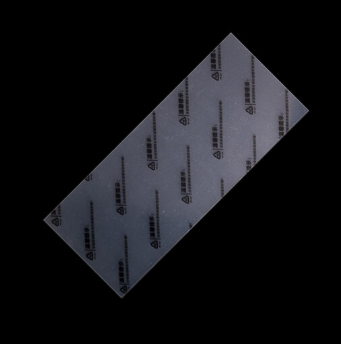
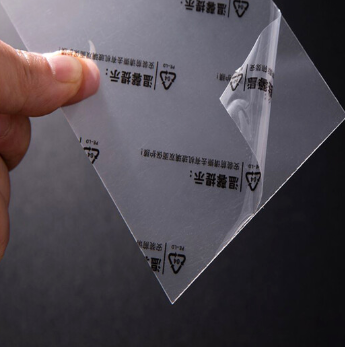
Keep the protective film until processing is complete
When laser cutting casting plates, it is normal for the cutting edge to appear milky white
It is recommended to use multiple slow blade cuts for thick plate cutting
Equipped with a good ventilation and smoke exhaust system
Q5: What scenarios are transparent cast acrylic sheets suitable for?
The application fields of transparent casting plates are very wide:
Advertising signage: lightboxes, signs, directional signs, display stands
Architectural decoration: shop windows, soundproof doors and windows, daylighting covers, wall panels
Industrial transportation: instrument panels, equipment covers, vehicle doors and windows
Medical bathroom: baby incubator, surgical medical equipment, bathtub
Lighting fixtures: fluorescent lamps, pendant lamps, street lamp covers
Aquarium Engineering: Aquarium and Aquarium Windows
| product type | pet、ps、acrylic、acrylic mirror、pvc sheet,acrylic sheet |
| thickness | 0.35-300mm |
| Styles | 1220*2440,1220*1830,500*900,50*60,960*1950,700*900/Customization of various specifications and sizes |
| delivery time | 5-8day |
| manufacture | Yifang |
related products