Differences in Casting and Extrusion Characteristics of Acrylic Sheet
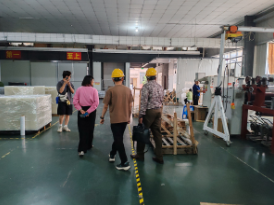
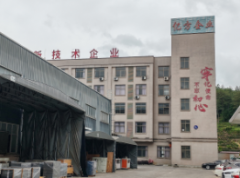
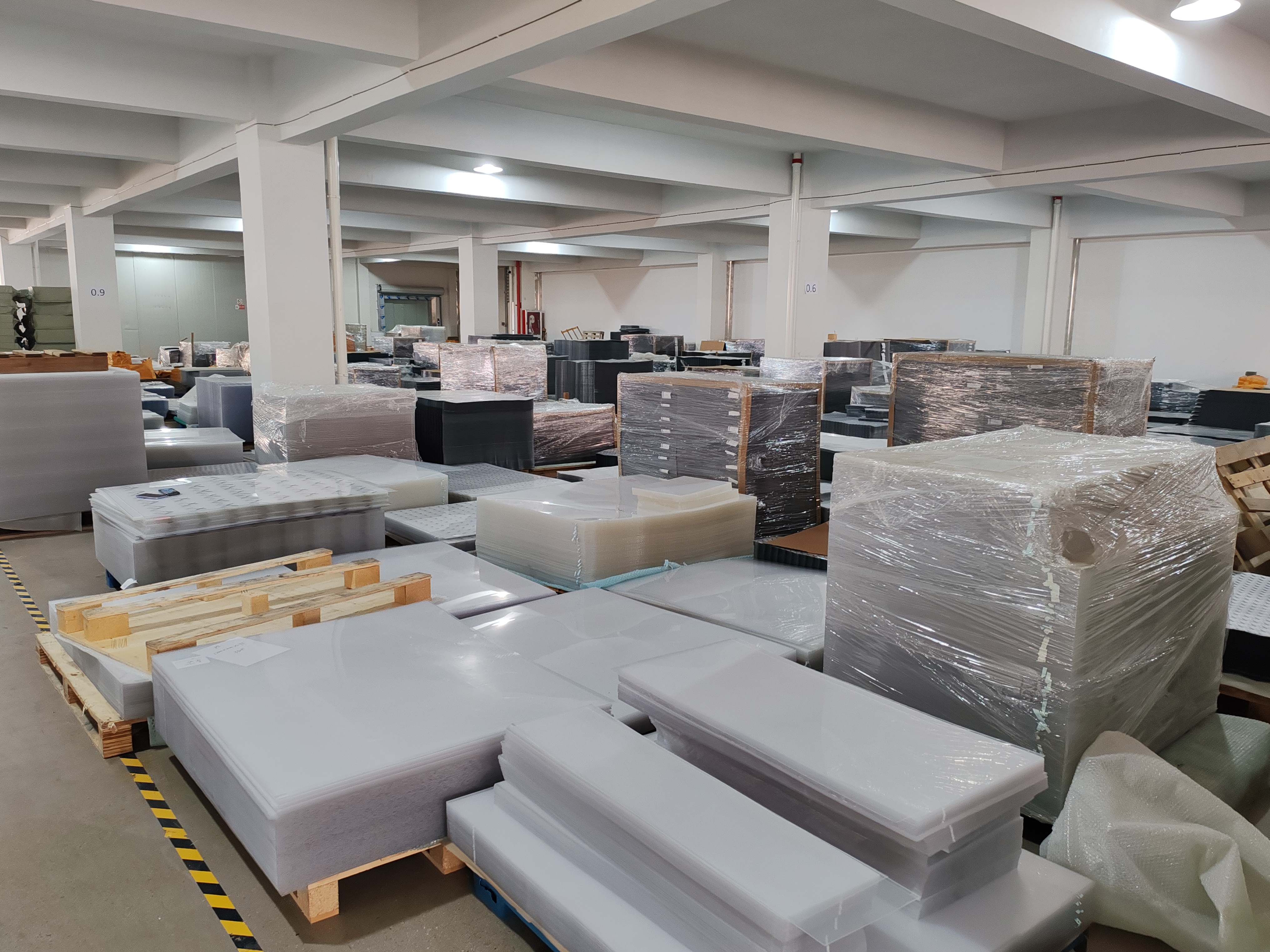
$1.15 available: In StockQuick Overview: Zhejiang Yifang New Materials, with 20 years of production and processing, international standards, and a daily output of 70 tons.
Differences in Casting and Extrusion Characteristics of Acrylic Sheet
In the procurement of acrylic sheets, "casting" and "extrusion" are the two most commonly mentioned production process terms. Many buyers think that "they are both made of acrylic, and the difference is not significant", but in reality, there are essential differences in the molecular structure, mechanical properties, weather resistance, and applicable scenarios of the boards produced by these two processes - choosing the wrong process can affect the processing effect, or even cause the product to yellow and crack after six months outdoors.
Understanding the differences in characteristics between cast and extruded plates is the first step in precise material selection. Zhejiang Yifang New Materials, as the source factory, has both casting and extrusion production capabilities, and can recommend the most suitable plate type based on your specific application scenario.
Acrylic sheet is a thermoplastic material polymerized from methyl methacrylate (MMA) monomer. Its core features include:
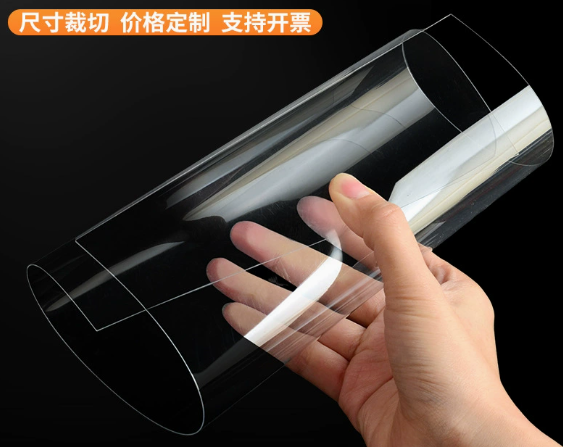
High transparency: With a light transmittance of over 92%, it is known as the "plastic crystal".
Excellent weather resistance: Long term outdoor use is not prone to "brittleness" and has strong adaptability to natural environments.
Excellent mechanical properties: The impact resistance is 7 to 18 times higher than that of ordinary glass, with a tensile strength of ≥ 65MPa and a bending strength of ≥ 100MPa.
Lightweight: The density is only about half that of glass.
Good processing performance: suitable for both hot forming and mechanical processing.
1. Core characteristics of Cast Sheet
Cast plates are made by slowly polymerizing and solidifying liquid MMA monomers directly injected into glass molds.
Characteristic dimension casting plate performance
High molecular weight, long and complete molecular chains
Excellent mechanical properties, stiffness, strength, and chemical resistance
The transmittance can reach 93% -98%, and the edges are smooth and transparent
Weathering resistance with added UV absorbers, no yellowing for 5-10 years outdoors
Thickness range 1.8mm-300mm
The color flexibility is extremely high, and any Pantone color number can be customized
Batch features, small batch flexibility, suitable for customization
2. Core characteristics of extruded sheets
Squeezing plate is made of PMMA particles as raw material, which are continuously extruded through a die after high-temperature melting.
Characteristic dimension extrusion plate performance
Low molecular weight
Mechanical properties are slightly weaker, with higher flexibility
The light transmittance is about 92%, and there may be pockmarks on the edges
Most weather resistant materials do not have UV protection function
Thickness range 0.5mm-12mm
Color flexibility is limited and can only be adjusted in large quantities
Batch features, large-scale automated production
Due to their different characteristics, cast plates and extruded plates have their own focuses in application scenarios:
Typical uses of cast plates:
Outdoor advertising signs: lightboxes, signs, outdoor signs - due to the addition of UV absorbers, the outdoor lifespan is 5-10 years
High end display: jewelry display cabinets, cosmetics display racks - high transparency and edge smoothness
Architectural decoration: daylighting cover, partition, wall panel - excellent weather resistance
Medical devices: incubators, surgical instruments - high purity and chemical resistance
Customized crafts: crystal characters, cultural and creative gifts - flexible customization of color and texture
Typical uses of extruded plates:
Large scale lightbox panels: standardized production with small thickness tolerances
Hot bending vacuum formed products: high flexibility, short softening time, suitable for rapid vacuum forming
Indoor display rack: indoor scenes with low requirements for weather resistance
Crystal characters, product brackets: indoor products
Q1: Which is better, cast plate or extruded plate?
There is no absolute 'better', it depends on the usage scenario. For outdoor use or scenarios with high requirements for weather resistance and transparency, cast boards are the only choice - extruded boards mostly do not have UV protection function, and their outdoor service life is not comparable to cast boards. The color will gradually fade and they are easily brittle. Indoor large-scale standardized application, extruded board has higher cost-effectiveness.
Q2: Why are extruded boards not suitable for outdoor use?
Most extruded boards do not have UV protection function. Under outdoor sunlight, the extruded board will gradually fade, become brittle, and eventually crack. During the processing of the casting board, ultraviolet absorbers are added, which have high strength and UV protection function, and the outdoor service life can be as long as 5 years or even 10 years.
Q3: What is the difference in thickness range between cast and extruded plates?
The thickness range of cast plates is wider, ranging from 1.8mm to 300mm; the thickness range of extruded plates is narrower, generally 0.5mm to 12mm. If thick plates (above 12mm) are needed, cast plates are the only choice.
Q4: What are the differences in color customization capabilities between cast and extruded plates?
The casting board has unparalleled flexibility in color system and surface texture effect, making it suitable for small batch customization. Squeezing plates are mass-produced through automation, making it difficult to adjust colors and specifications, and limiting the diversity of product specifications.
Q5: How to distinguish between cast plates and extruded plates based on their appearance?
The edges of the casting board are smooth, transparent, and free of blemishes; The edges of the compression plate may have pockmarks or even turn yellow and black. The transparency of the casting board is higher (up to 93% -98%), and the light is pure; The light transmittance of the extruded board is about 92%, and there may be subtle patterns on the edges.
Q6: What are the advantages of Zhejiang Yifang in the supply of casting and extrusion plates?
Zhejiang Yifang New Materials, as the source factory, has both casting and extrusion production capabilities, and can recommend the most suitable type of sheet metal according to your specific application scenario:
Casting board: Full range coverage with a thickness of 1mm to 50mm, added with UV absorbers, outdoor 8-10 years without yellowing, supports customization of any color and size
Squeezing plate: with small thickness tolerance, suitable for large-scale standardized production
Quality assurance: Passed ISO9001 quality management system certification, 100% new material production
Full process service: supporting full process processing such as laser cutting, CNC engraving, and hot bending forming
| product type | pet、ps、acrylic、acrylic mirror、pvc sheet,acrylic sheet |
| thickness | 0.35-300mm |
| Styles | 1220*2440,1220*1830,500*900,50*60,960*1950,700*900/Customization of various specifications and sizes |
| delivery time | 5-8day |
| manufacture | Yifang |
related products