How much does 2mm cast acrylic board cost Analysis of direct sales prices from Zhejiang Yifang Factory
$1.15 available: In StockQuick Overview: Zhejiang Yifang New Materials, with 20 years of production and processing, international standards, and a daily output of 70 tons.
How much does 2mm cast acrylic board cost? - Analysis of direct sales prices from Zhejiang Yifang Factory
In the procurement of acrylic sheets, a thickness of 2mm is one of the most frequently used specifications. It is stronger and less prone to bending than 1mm board, lighter and has lower material costs than 3mm board. It is the "main board" for many advertising light boxes, display stands, signs and other projects. However, in actual inquiries, many people find that the same label "2mm cast acrylic board" is quoted at prices ranging from tens to hundreds of yuan per square meter - what factors are behind the price difference?
Zhejiang Yifang New Materials, as the source factory, adopts the "factory direct sales" model, and the price can be more than 30% lower than the market for the same quality. This article will systematically analyze the price structure, product features, and specification options of 2mm cast acrylic sheets for you, helping you spend the right money and buy the right sheet.
Although 2mm cast acrylic sheet is thin, it fully inherits the quality genes of the casting process:
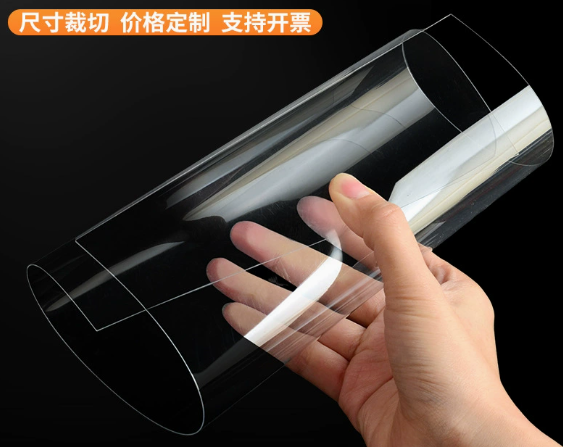
Ultra high transparency: The transparency of the cast board can reach 92% -98%, which is much higher than that of the extruded board (about 92%). Under a thickness of 2mm, there is almost no loss of light transmission, and the edges are smooth and transparent without any blemishes, making it very suitable for high-end displays and fine lightbox scenes that require high visual transparency.
Superior impact resistance: The impact resistance of acrylic is 6 to 8 times that of ordinary glass. 2mm cast plate is tougher and less prone to brittle cracking than extruded plate at the same thickness, making it suitable for applications that require certain impact protection.
High molecular weight and good rigidity: Casting plates are made by polymerizing liquid monomers in glass molds, with high molecular weight, long molecular chains, and flexibility. The 2mm thin plate has small deformation and good dimensional stability during processing, which is particularly important for LED display panels and optical applications that require precision engraving.
Excellent weather resistance: After adding ultraviolet absorbers, the outdoor service life of the cast board can reach 8 to 10 years. The new material casting board has strong adaptability to natural environments, and its performance will not change even after prolonged exposure to sunlight, wind, and rain.
Flexible color customization: The casting process can achieve a rich color system and surface texture effect, and any Pantone color number can be accurately matched. The 2mm board in black and black tea colors is widely used in the field of LED display panels, with strong light shielding and advanced color rendering.
The specification system of 2mm cast acrylic board is very mature and can cover various application scenarios from advertising signs to industrial supporting facilities
Standard size: The most commonly used standard size on the market is 1220 × 2440mm (4 feet × 8 feet), with a single sheet area of about 3 square meters, suitable for most application scenarios such as lightbox panels, display stands, signage, etc. In addition, there are specifications available such as 1220 × 1830mm (4 feet × 6 feet), 1500 × 3000mm, 2050 × 3050mm, etc.
Thickness positioning: 2mm cast plate plays a bridging role among many thickness specifications - compared to 1mm plate and 1.5mm plate, it is more sturdy and less prone to bending; Compared to 3mm board and above specifications, it significantly reduces material costs and finished product weight. In the specification range of 1mm to 50mm for casting acrylic sheets, 2mm, 3mm, and 5mm are the most commonly used specifications in thin sheets.
Customized size: The casting process supports customized cutting of any size, and Zhejiang Yifang provides full process services from sheet production to finished product delivery. Any non-standard size can be accurately processed according to customer drawings. In terms of thickness, Zhejiang Yifang acrylic sheet covers a thickness range of 1mm to 50mm.
Thickness tolerance: According to industry standards, the thickness tolerance of cast plates is about ± (0.4+0.1 x thickness) mm, and the tolerance of 2mm cast plates is about ± 0.4mm. When purchasing, the four corners and middle can be verified by measuring multiple points with calipers. Uneven thickness of plates can cause problems such as uneven installation and uneven joints.
The application fields of 2mm cast acrylic sheet are extremely wide:
Advertising signage and lightboxes: advertising lightbox panels, signs, signage, display stands, etc. A thickness of 2mm is suitable for small-sized lightboxes and signage, with uniform light transmission and soft lighting, making it one of the most commonly used thicknesses in advertising production.
Electronic product display: mobile phone display stand, digital product display platform, etc. The 2mm board is stiffer and more supportive than the 1mm board, making it suitable for displaying the weight of small electronic products.
LED backlight and display: layered engraving of LED backlight characters, shading layer of display panel, etc. Black and black tea colors are widely used in the field of LED displays due to their strong light blocking properties and advanced color rendering.
Home decoration and furniture: surface inlay of cabinets and wardrobes, decorative surfaces of furniture, small photo frames, protective covers, etc. 2mm board has good waterproof and moisture-proof performance and can be used with wooden boards.
Industrial and medical applications: instrument panels and covers, baby incubators, various surgical medical equipment, etc.
Lighting applications: fluorescent lamps, pendant lamps, street lamp covers, etc.
Cultural and creative gifts and DIY: handicrafts, photo frames, commemorative book covers, creative ornaments, model making, etc.
Q1: How much does it cost per square meter for 2mm cast acrylic board?
The price of 2mm cast acrylic sheet varies depending on the grade, color, and procurement channel of the raw materials. According to market conditions, the cost of 2mm high-quality domestically produced new material cast board is approximately 80-100 yuan/square meter. The 2mm black cast board costs approximately 60-90 yuan per square meter. Squeezing acrylic sheets on the market costs around 100 yuan/square meter, while casting acrylic sheets costs around 200 yuan/square meter. Zhejiang Yifang, as the source factory, supplies through factory direct sales mode, with the same quality and price advantage. The specific price needs to be determined based on the order quantity, color, and processing requirements. It is recommended to contact customer service for real-time quotes.
Q2: What is the difference between 2mm cast plate and 2mm extruded plate?
The 2mm cast plate is produced by slow polymerization of liquid MMA monomer injected into the mold, with high molecular weight, dense internal structure, and better strength and weather resistance. The light transmittance can reach 92% -98%, with smooth and transparent edges without any blemishes. The 2mm extruded plate is formed by continuous extrusion, which has high production efficiency and low cost, but its mechanical properties and transparency are slightly inferior. For outdoor use or scenarios that require high surface smoothness, it is recommended to prioritize the use of cast plates.
Is 2mm acrylic sheet prone to deformation?
2mm belongs to the category of thin plates, and whether it is "sufficient" depends on the usage scenario. For small-sized applications smaller than 0.5 meters (such as mobile phone display stands, small light boxes, signage, etc.), a thickness of 2mm is sufficient to meet bending requirements. For medium-sized applications ranging from 0.5 meters to 1 meter, 2mm to 3mm can be selected based on the load-bearing capacity. For large-sized applications over 1 meter, it is recommended to choose a thickness of 5mm or more. Cast plates are less prone to deformation than extruded plates at the same thickness due to their high molecular weight and good rigidity.
Can 2mm cast acrylic sheet be hot bent?
Okay. The hot forming temperature range of the casting plate is 140-180 ℃, and the hot deformation temperature is about 100 ℃. The heating time of 2mm thin plate is relatively short (about 2-3 minutes), making it very suitable for making small curvature hot bending products, such as curved edges of mobile phone display stands, small lightbox curved surfaces, etc. Dark colored boards have a stronger heat absorption capacity than light colored boards, and the temperature should be slightly lower during hot bending to prevent bubbling. It is recommended to use waste materials for temperature testing before hot bending to determine the optimal parameters before formal processing.
Q5: How to distinguish between 2mm cast plate and extruded plate?
There are several simple methods to quickly distinguish: first, look at the edges - the edges of the casting board are smooth, transparent, and free of blemishes, while the edges of the extruded board may have blemishes or even turn yellow and black; Secondly, the transparency of the casting board can reach 92% -98%, and the light is pure without yellowing; Three smells - the cutting of casting boards has a small odor and less smoke, while the cutting of boards containing recycled materials has a pungent odor and more smoke.
Q6: Why choose Zhejiang Yifang as the supplier of 2mm casting plates?
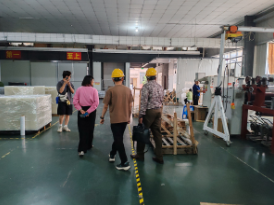
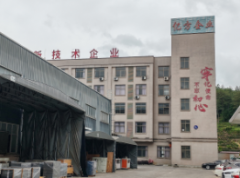
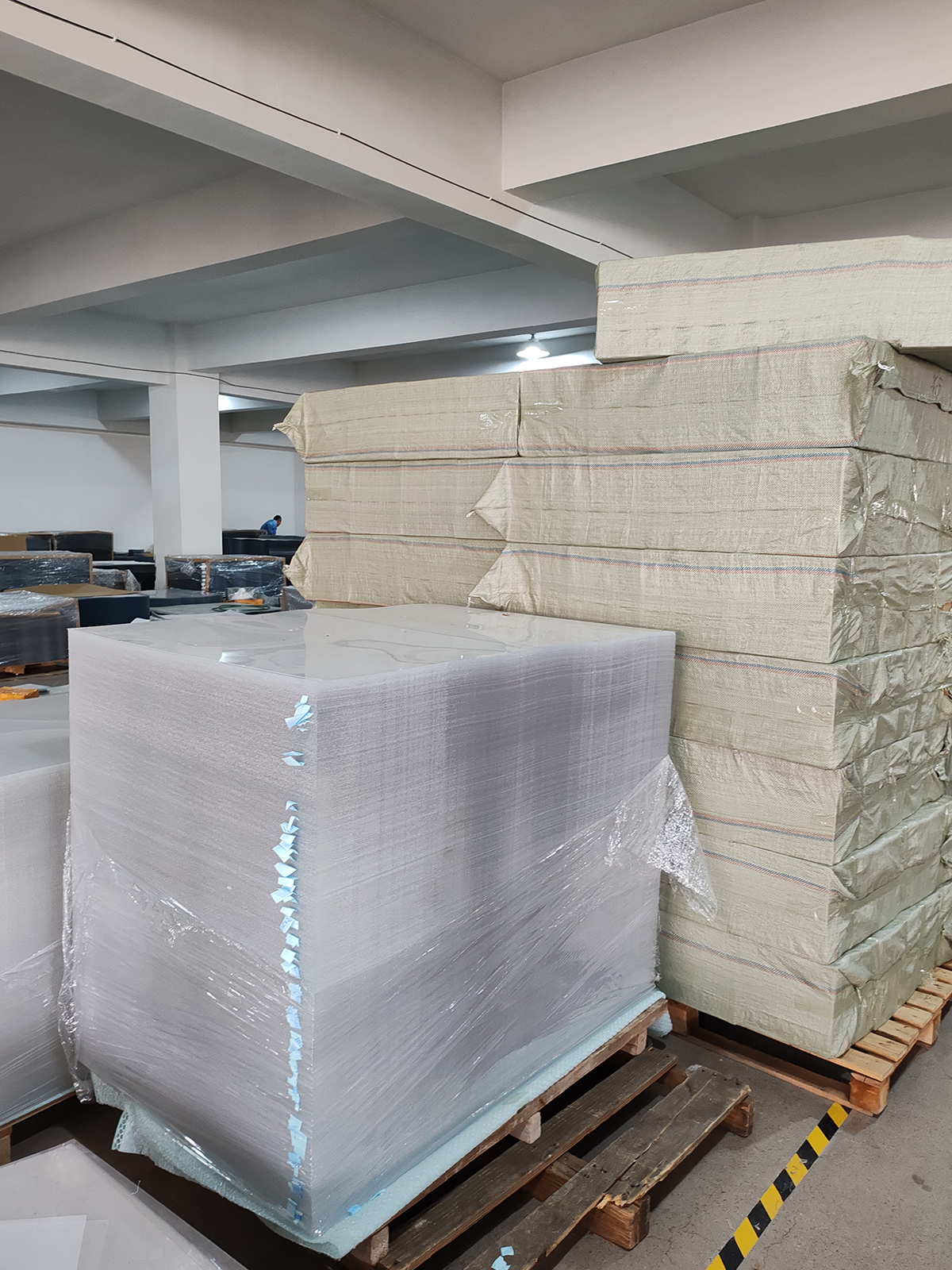
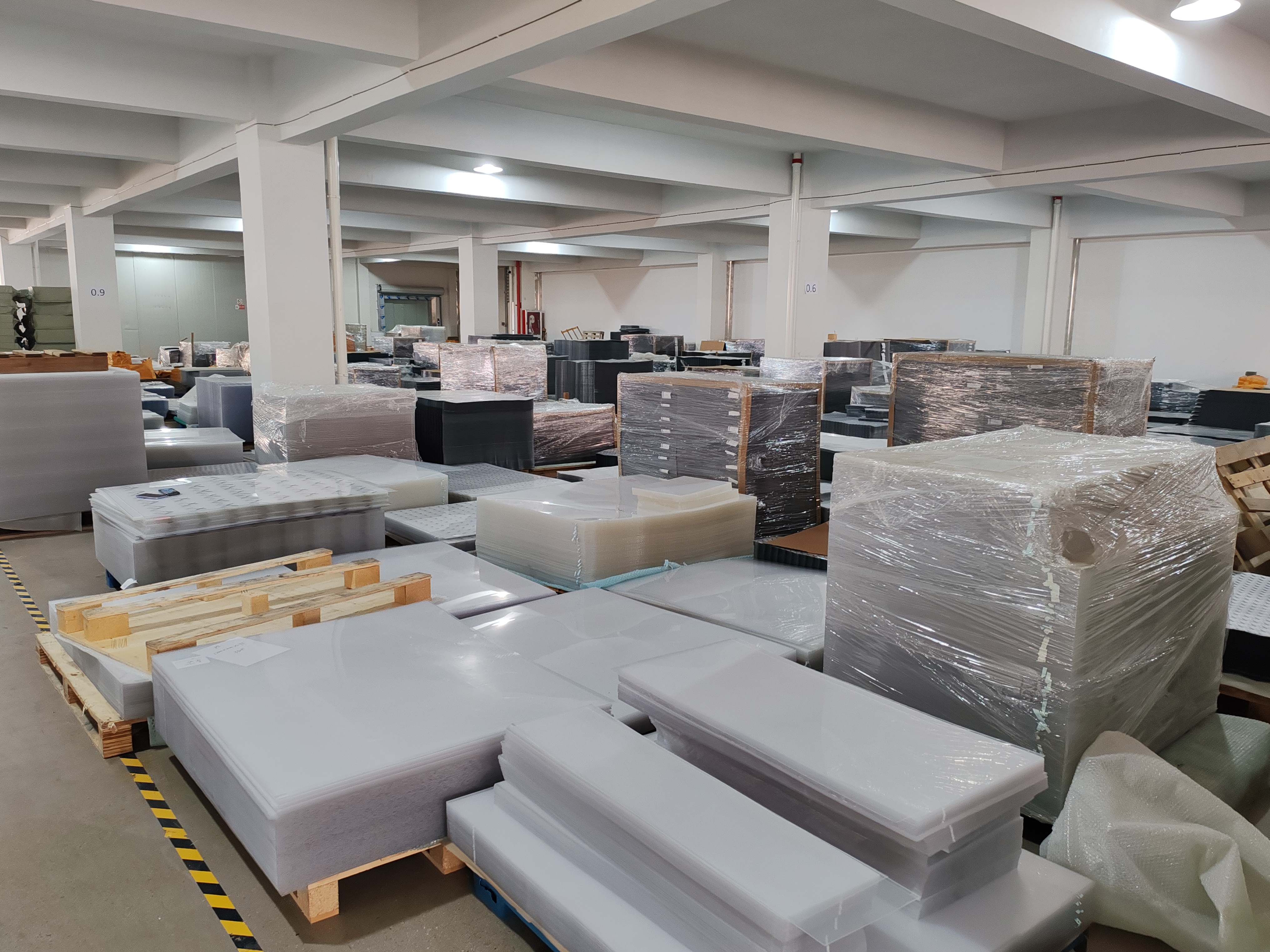
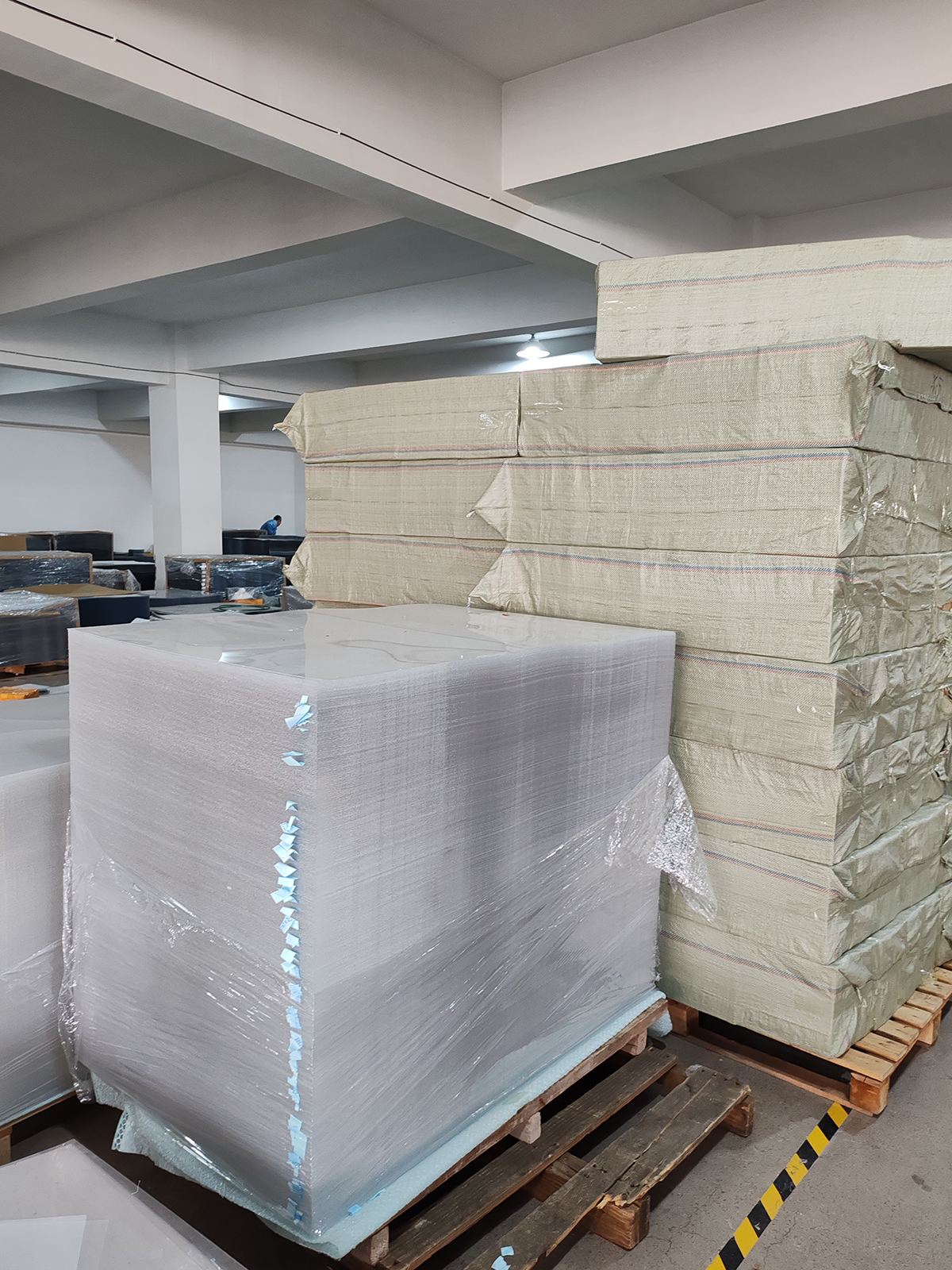
As the source factory, Zhejiang Yifang New Materials Co., Ltd. has the following core advantages: a 50000 square meter production plant, an annual output of 22500 tons, a daily production capacity of 70000KG, and sufficient production capacity to ensure timely delivery. The company has obtained ISO9001 quality management system certification and ISO14001 environmental management system certification, and its products comply with export environmental standards. Support size customization, thickness customization, color customization, equipped with high-precision CO ₂ laser cutting machines, CNC engraving machines, hot bending forming equipment and other full process processing equipment.
| product type | pet、ps、acrylic、acrylic mirror、pvc sheet,acrylic sheet |
| thickness | 0.35-300mm |
| Styles | 1220*2440,1220*1830,500*900,50*60,960*1950,700*900/Customization of various specifications and sizes |
| delivery time | 5-8day |
| manufacture | Yifang |
related products