How much does acrylic recycled sheet cost per ton Detailed explanation of recycling prices
$1.15 available: In StockQuick Overview: Zhejiang Yifang New Materials, with 20 years of production and processing, international standards, and a daily output of 70 tons.
How much does acrylic recycled sheet cost per ton? Detailed explanation of recycling prices
The price of recycled acrylic sheets is an important consideration factor in procurement decisions and waste disposal. It is crucial to have an accurate understanding of the market situation, whether it is for enterprises to handle production scraps, waste display racks and light boxes, or for buyers to plan the use of recycled boards to reduce material costs.
With the widespread application of PMMA materials in various industries, the recycling market for waste acrylic is rapidly developing. According to statistics, the sales revenue of China's recycled PMMA industry will reach 2.498 billion yuan in 2023, and is expected to rise to 5.134 billion yuan in 2025. The market size continues to expand, but the price of recycled boards fluctuates greatly due to various factors. This article will provide a detailed analysis of the price composition, market conditions, price influencing factors, and procurement recommendations of acrylic recycled sheets.
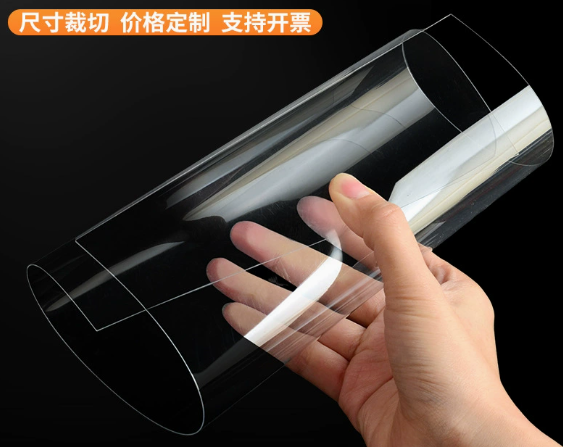
Cast acrylic is a polymer material formed by injecting liquid MMA monomer into a glass mold and polymerizing it. The casting process endows the sheet with high molecular weight, long and flexible molecular chains, giving it excellent mechanical, optical, and chemical resistance properties.
The transmittance of cast acrylic can reach over 92%, its impact resistance is 6-17 times that of ordinary glass, and its weight is only half that of glass. These characteristics make it the preferred material for home decoration, advertising signage, display props, bathroom equipment, car lampshades, and other fields, with an annual global usage of approximately 3 million tons of PMMA.
Acrylic material itself has high recyclability value, which is the basis of its environmental attributes. Compared with ordinary plastics, organic glass is more expensive, and the recovery rate of monomers after thermal degradation can reach over 90%. The MMA monomers produced by degradation can provide important raw materials for the reproduction of organic glass and other chemical products.
From the perspective of carbon emissions, recycled MMA monomers have the same quality as materials made from fossil resources. Compared with previous products, it is expected to reduce the overall greenhouse gas emissions during the product lifecycle by more than 60%.
However, the recycling process itself also poses certain environmental challenges. During the acrylic recycling process, dust and irritating odors are generated due to processes such as crushing and heating. Professional environmental protection equipment and strict operating procedures are required to reduce the impact on the environment. Therefore, choosing a legitimate and professional recycling enterprise is a prerequisite for achieving truly environmentally friendly recycling.
The core of casting acrylic recycling is to convert waste acrylic products into reusable raw materials through specialized technical means. The recycling process includes:
1. Collection and sorting: Classify and preliminarily clean waste acrylic products from different channels, such as production scraps, advertising light boxes, waste display racks, car lighting, etc., to remove impurities such as metal parts, glue, paint, and other plastic debris.
2. Crushing treatment: Crush the sorted acrylic waste into appropriate sizes for subsequent recycling and processing.
3. Recycling and Conversion:
Physical/mechanical recycling: cleaning, drying, melting, and reshaping. The process is relatively simple, but the product quality has significantly decreased.
Chemical recycling (depolymerization): The crushed material is sent to a cracking unit and decomposed into MMA monomers under high temperature (350-400 ° C) or low temperature (120-180 ° C) conditions. After liquefaction by a condensation system, it is collected. The monomer recovery rate can reach 70% -95%. Then, the purified MMA monomer is re polymerized into acrylic sheet.
The quality of recycled MMA monomers produced through chemical recycling is comparable to that of brand new monomers, and can be used to produce high-performance PMMA products.
Recycling waste price (waste acquisition end)
At present, the recycling prices of acrylic waste in the market are classified by form as follows:
Description of price range in form (yuan/ton)
Acrylic waste 3500-6500 mixed waste, containing impurities
Acrylic crushed material 6000-7000 can be directly reprocessed after crushing treatment
Acrylic particles 7000-8000 recycled pellets after granulation
Acrylic raw materials 11000-13000 high-quality recycled materials
Data source: Scrap station released in March 2026
Price of recycled board/crushed materials (at the recycled material end)
Category price range (yuan/ton) Time
PMMA Acrylic (General) 12700-13000 May 2026
PMMA clear color sheet (can be used as lampshade, etc.) 8500-8900 April 2026
PMMA Organic Glass Color Plate 8300-8800 April 2026
PMMA waste sheet 7600-8300 April 2026
PMMA primary color crushed material 7500-8100, April 2026
PMMA monochrome crushed material 6900-7400, April 2026
PMMA variegated crushed material 6200-6700 April 2026
Waste Acrylic (General) 6500 December 2025
Waste Acrylic Injection Head 7040 May 2026
Waste acrylic shot dust 4740 May 2026
Acrylic scraps 500 tons by June 2025
Data sources: Waste stations, Suzhou Property Rights Trading Center, etc
Price Comparison List
Material type: New material board price reference: Recycled board price reference: Price difference
High quality transparent board costs about 10000-20000 yuan/ton. Recycled color plate costs about 8500-8900 yuan/ton, accounting for about 40% -60%
Color board costs about 12000-25000 yuan/ton, and recycled mixed color crushed materials cost 6200-7400 yuan/ton, accounting for over 70%
Industrial grade board costs about 8000-15000 yuan/ton, and recycled raw materials cost 7000-8000 yuan/ton, accounting for about 30% -50%
The price of new acrylic sheets is usually much higher than that of recycled materials, but the advantages of quality and service life are also more obvious.
1. Distinguish from appearance color and transparency
After being irradiated with white light, the new material acrylic board emits pure light without yellowing or bluing, and the good board has a higher light transmittance (usually up to 92% or more). Pure new material acrylic board has a pure appearance color, which is particularly prominent from the cross-section. The cross-section of the recycling board turns yellow. Although the yellowing of the recycling board treated with fluorescent whitening agent may not be obvious initially, it will appear after short-term use.
2. Distinguish from thickness and bubble condition
The thickness of the new sheet metal is stable, with a tolerance controlled within 0.1-0.2mm, and the bubbles inside the sheet metal are extremely small. The thickness of the recycled board is unstable, with some differences up to 0.5mm, and there are many bubbles with a diameter significantly larger than that of the new sheet.
3. Distinguish from cutting odor
New sheet metal has no irritating odor during cutting, and has minimal odor and smoke during laser cutting. There is a pungent odor when storing recycled boards, a pungent odor when cutting, and black smoke bubbles when burning, with a strong odor.
4. Distinguish from UV resistance performance
Pure new acrylic board with added UV absorbers has excellent UV resistance. Under normal natural conditions, it will not turn yellow, fade, lose light, or crack for at least 5 years outdoors. The anti UV performance of recycled sheet metal is very poor, and it will turn yellow within six months at most. It is easy to crack under sunlight.
5. Distinguish from other processing characteristics
The new sheet metal has stable adaptability to paint and ink, and is not easily prone to bubbles and deformation during hot forming heating. Recycled sheets are prone to producing bubbles during hot forming, and the adhesion of paint and ink is unstable.
Q1: What is the performance difference between recycled acrylic sheets and brand new sheets?
The performance of high-quality chemically recycled boards can be comparable to that of new materials, but most of the recycled boards on the market use physical recycling, resulting in significant differences in performance: the new material acrylic has a light transmittance of>92%, excellent outdoor weather resistance, no yellowing for 5-10 years, and high surface hardness; However, the transmittance of low-end recycled boards may be lower than 80%, and they will visibly turn yellow and their mechanical properties will decrease after six months of outdoor use. Therefore, for application scenarios that require high quality, priority should be given to using brand new sheet materials or high-quality chemically recycled sheet materials.
Q2: How much is the price per ton for recycling acrylic sheets?
According to the latest market situation, the price of recycled acrylic sheets varies greatly due to quality differences: PMMA clear color sheets (defective materials) cost about 8500-8900 yuan/ton, PMMA original color crushed materials cost about 7500-8100 yuan/ton, PMMA monochrome crushed materials cost about 6900-7400 yuan/ton, and PMMA mixed color crushed materials cost about 6200-6700 yuan/ton. In cases of large procurement volumes, price discounts are usually available.
Q3: Why is there such a big price difference for recycling acrylic?
The main reasons include: ① Purity - colorless, transparent, and impurity free materials have the highest prices, while colored or mixed waste materials have lower prices; ② Color consistency - monochrome recycled materials are about 500-1000 yuan/ton more expensive than miscellaneous materials; ③ Form - The price of crushed materials is lower than that of granular materials because the granular materials have undergone further processing; ④ Market demand - price increases when downstream demand is strong; ⑤ Regional differences - prices in East and South China are generally higher than in other regions. When purchasing, it is recommended that enterprises choose the appropriate grade based on actual application needs to avoid excessive procurement of high-quality and high priced materials, which may result in cost waste.
Q4: How to balance price and quality when purchasing recycled acrylic sheets?
It is necessary to weigh the application scenarios: for indoor displays, low light environments, and other applications that do not require high optical quality, medium quality recycled boards can be selected to reduce costs; For outdoor advertising, optical equipment, and high transparency demand scenarios, it is recommended to choose brand new or high-quality chemically recycled boards. Meanwhile, requesting quality inspection reports from suppliers is also an important method to ensure that quality matches price.
Q5: Is the recycling value of waste acrylic high?
Acrylic has high recycling value. Due to the relatively high price of PMMA raw materials and the high recovery rate of pyrolysis monomers (up to 90% or more), waste acrylic belongs to a high-value category in plastic waste. From the perspective of recycling prices, the price of acrylic waste is about 3.5-6.5 yuan/kg, higher than ordinary plastics such as PP (about 2-3.25 yuan/kg) and PE (about 1.45-2.6 yuan/kg), and similar to engineering plastics such as PC and ABS.
Q6: What are the advantages of our factory in ensuring the quality of sheet metal?
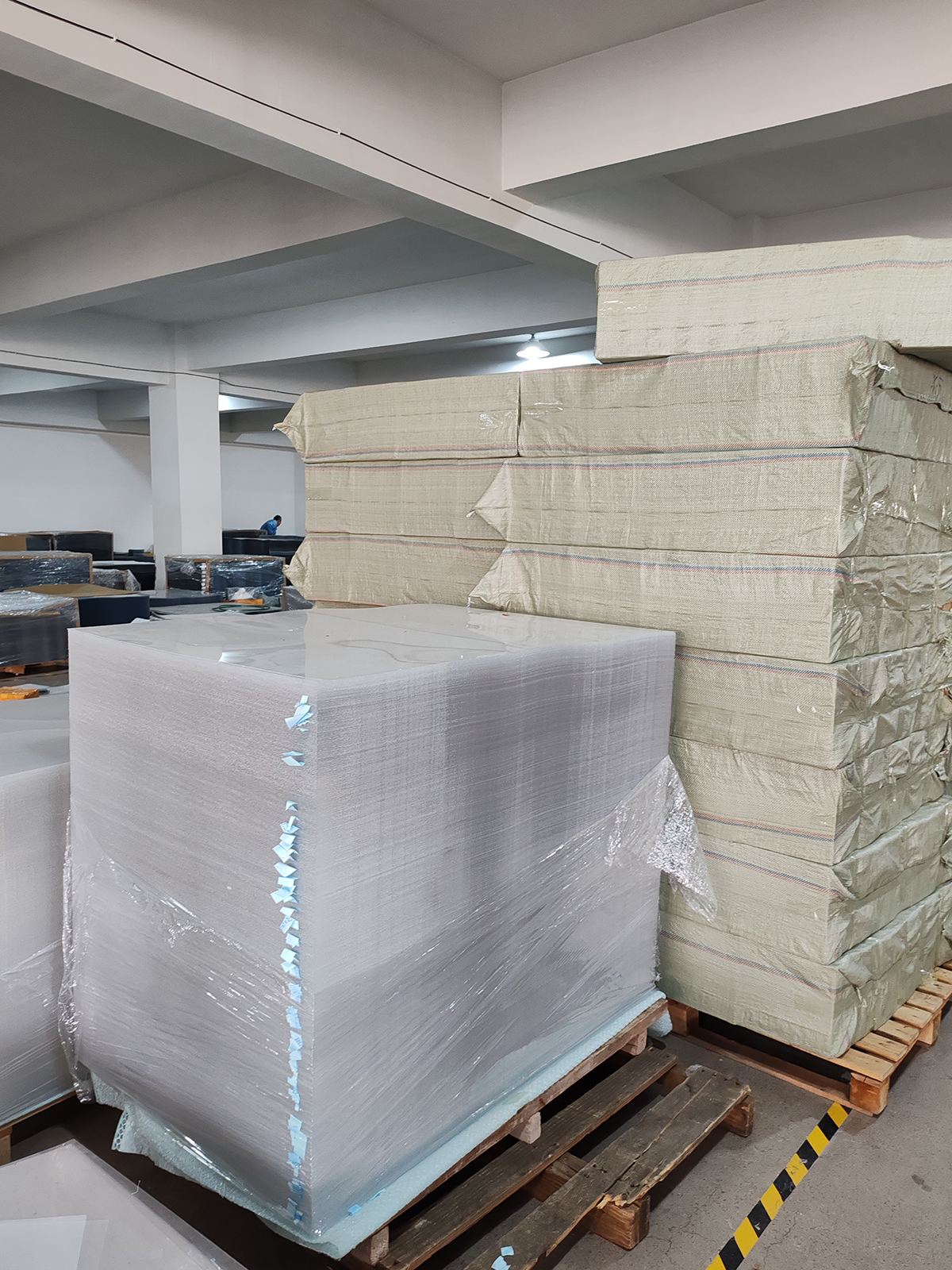
Our factory adheres to 100% new material production for acrylic sheets and never adds recycled materials. Our product has a stable light transmittance of over 92%, and after adding UV absorbers, it will not fade or turn yellow when used outdoors for 5-10 years. We have established a comprehensive quality inspection system, and each batch of products undergoes strict inspections on appearance, thickness tolerances, light transmittance, and other indicators before leaving the factory to ensure reliable product quality and stable performance when delivered to customers. At the same time, we also provide professional advice on board selection for our clients, helping you make the best purchasing decisions while meeting your application needs.
| product type | pet、ps、acrylic、acrylic mirror、pvc sheet,acrylic sheet |
| thickness | 0.35-300mm |
| Styles | 1220*2440,1220*1830,500*900,50*60,960*1950,700*900/Customization of various specifications and sizes |
| delivery time | 5-8day |
| manufacture | Yifang |
related products