How to deal with outdoor yellowing of acrylic sheets practical renovation and prevention techniques
$1.15 available: In StockQuick Overview: Zhejiang Yifang New Materials, with 20 years of production and processing, international standards, and a daily output of 70 tons.
How to deal with outdoor yellowing of acrylic sheets - practical renovation and prevention techniques
Outdoor billboards, lightboxes, signage, and sun panels - acrylic sheets face the most rigorous environmental tests in outdoor applications. Intense ultraviolet radiation, temperature difference between day and night, humid air, and industrial pollution are constantly eroding the surface of the board, causing it to gradually lose its crystal clear color and present a headache inducing yellow tone.
Many maintenance personnel of outdoor acrylic products have found that some acrylic sheets installed outdoors remain transparent for three years, while others turn yellow and black within a year. Where is the gap? Can it be saved after yellowing? How to fundamentally prevent it in outdoor environments? This article will start with the particularity of outdoor yellowing and provide you with a complete solution from principle to prevention, from treatment to renovation.
The yellowing of acrylic sheets in outdoor environments is the result of multiple aging factors working together:
Ultraviolet radiation is the number one 'killer'
Acrylic beauty products placed outdoors will gradually age due to a combination of factors such as ultraviolet radiation, oxygen, humidity, and temperature; Among them, ultraviolet radiation has the most severe impact on PMMA sheets. The energy of ultraviolet radiation is sufficient to break the chemical bonds of organic compounds, leading to a series of chain scission reactions and the formation of various products and functional groups.
The synergistic effect of light and oxygen accelerates aging
When sunlight shines on the surface of organic glass, the absorbed light quantum will cause aging effects. The structure of acrylic undergoes changes at the molecular scale, that is, the molecular chains undergo degradation and cross-linking. Due to the decomposition reaction, the molecular weight decreases and a large number of color generating groups such as carbonyl groups are generated, resulting in yellowing, silver lines, and even brittle cracking of the board. The combined action of light and oxygen is the main factor causing the decrease in molecular weight of organic glass.
Catalytic effects of temperature and humidity
Under high temperature conditions, the rate of molecular chain breakage will increase. The coupling of temperature conditions with ultraviolet radiation and oxygen will accelerate the rate of PMMA yellowing. Humidity cannot be ignored either - the ester groups in acrylic will undergo hydrolysis reaction when exposed to water, leading to the breakage of the main chain. These three factors combined make the aging rate of outdoor acrylic much faster than indoor.
The purity of raw materials is the 'gene' of yellowing
The purity of PMMA raw materials has a significant impact on color. The purity of the raw materials is too low and contains a lot of impurities, which increases the risk of yellowing. The boards containing recycled materials have extremely poor UV resistance due to the inclusion of aged PMMA and impurities in the raw materials.
Outdoor acrylic sheets usually turn yellow in the following forms:
1. Uniform yellowing overall
The most common use is in the use of recycled materials or boards without added anti UV agents. The overall color of the board gradually changes from transparent to light yellow and dark yellow, with a significant decrease in light transmittance. This yellowing penetrates deep into the material and is irreversible.
2. Local whitening or yellowing on the surface
Acrylic surfaces exposed to sunlight for a long time may exhibit "whitening" or "powdering" phenomena. The photochemical reaction caused by ultraviolet radiation can damage the polymer chemical structure on the surface of acrylic, gradually causing it to lose transparency.
3. Prioritize yellowing of edges
The cutting edge of the board is more susceptible to moisture and UV erosion due to the lack of a protective layer, often resulting in yellowing earlier than the surface.
4. Accompanied by performance degradation
Outdoor yellowing is often not an isolated phenomenon, but is often accompanied by problems such as brittleness, cracking, and decreased mechanical properties. The impact strength of the board decreases, and fine cracks (silver lines) appear on the surface.
The treatment of yellowing of outdoor acrylic panels requires different strategies based on the degree of yellowing:
Mild yellowing (surface contamination/slight oxidation)
If yellowing is mainly caused by surface stains and slight oxidation layers, it can be restored by cleaning:
Gentle cleaning: Use mild soapy water or specialized acrylic cleaner, gently wipe with a soft cloth
Toothpaste wiping: use a soft foam brush to dip a small amount of toothpaste and gently wipe the yellowing area
Lemon juice stain removal: Dip a soft cloth in lemon juice and gently wipe it. Citric acid helps remove yellow stains
Moderate yellowing (surface aging layer)
If an aging layer has already formed on the surface, physical means are needed to remove it:
Polishing treatment: Use fine sandpaper (recommended to be used step by step from 1500 mesh to 3000 mesh) to gently polish the yellowed surface
Polishing restoration: After polishing, use a specialized polishing agent to restore luster
Attention: Grinding will slightly reduce the thickness of the board and should not be excessive
Severe yellowing (overall aging)
If the board has severely aged and yellowing has penetrated deep into the interior:
Spray treatment: evenly spray and cover with paint of similar color
Replacing the board: The most thorough solution is to replace it with a new board
Pre renovation evaluation: Determine whether it is worth renovating - if the aging is severe, the renovation cost may be close to replacing with a new one
Safety reminder: When handling outdoor acrylic, be sure to wear gloves and masks; Avoid working in hot weather; Test chemicals in an inconspicuous location before use.
Prevention is always more effective than handling. The following are the core measures for preventing yellowing of outdoor acrylic:
1. Source material selection - choose anti UV board
This is the most important preventive measure. Choose acrylic materials with good UV resistance and add UV resistant additives during the production process to extend the service life of the board. Adding 2% nano titanium dioxide can improve the anti yellowing performance of acrylic by 300% in QUV testing. The casting board with added ultraviolet absorbers can have an outdoor service life of 8 to 10 years.
2. Use UV protective coating
Coating the surface of acrylic board with ultraviolet protective coating can effectively block the invasion of ultraviolet rays. The yellowing rate of acrylic sheets treated with ultraviolet protection is significantly reduced.
3. Reasonably design the installation location
Avoid exposing acrylic products directly to high temperatures and strong ultraviolet radiation. For outdoor billboards, appropriate shading design can be considered. Reserve expansion joints for thermal expansion and contraction during installation to avoid stress cracking caused by temperature changes.
4. Regular cleaning and maintenance
Regularly clean the acrylic surface with mild soapy water and a soft cloth to remove accumulated dust and dirt. Dust and pollutants will react with ultraviolet radiation, exacerbating yellowing. Avoid using cleaning agents containing alcohol or strong acidity or alkalinity.
5. Use protective film
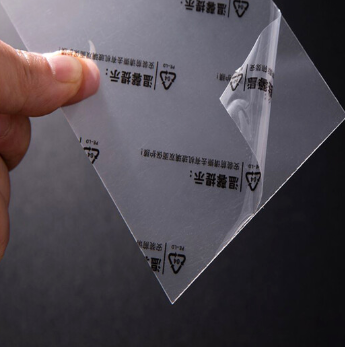
Applying protective film on the surface of acrylic board can effectively isolate ultraviolet rays and pollutants. Regularly replace the protective film to ensure that the board remains in the best condition at all times.
6. Choose the appropriate thickness
For outdoor large area application, it is recommended to select a thickness of more than 5mm to enhance the deformation resistance and aging resistance. Under the same aging conditions, the surface aging layer of thicker boards has a smaller impact on overall performance.
6、 Frequently Asked Questions
Q1: The outdoor acrylic billboard has turned yellow, can it still be used?
It depends on the degree of yellowing. Slight yellowing does not affect structural safety, but it affects visual effects and brand image. If it is only a slight yellowing on the surface, it can be restored by cleaning and polishing. If it has severely yellowed, become brittle, or cracked, it is recommended to replace it immediately - aged acrylic has decreased impact resistance and poses a safety hazard.
Q2: How long does outdoor acrylic usually turn yellow?
There are huge differences between different materials:
Material grade: Outdoor yellowing time
Brand new material+UV resistant casting board for 5-10 years
Ordinary acrylic board (without UV resistance) for about 3 years
Within six months, including recycled sheet materials
Q3: How to choose outdoor acrylic board to avoid yellowing?
Follow the following principles:
Choose new materials: Reject boards containing recycled materials
Select UV resistant: Clearly label products with added UV absorbers
Choose casting board: Adding anti UV components to the casting board makes it more abundant and evenly distributed
Select qualified manufacturers: Request QUV accelerated aging test report
Light color priority: Dark color palette absorbs more heat and heats up faster outdoors
Q4: Can outdoor yellowed acrylic boards be sanded with sandpaper?
Sure, but please note the method:
Use fine sandpaper (over 1000 grit, recommended to use 1500-3000 grit step by step)
Apply even force during polishing to avoid scratches
After polishing, rinse with clean water and wipe dry
Finally, polish with polishing agent to restore luster
Attention: Grinding will slightly thin the board and should not be excessive
Q5: Why do some acrylics yellow quickly and others slowly in the same outdoor environment?
The main differences come from three aspects:
Raw material grade: brand new material vs recycled material - the recycling board turns yellow within six months
UV resistant formula: whether sufficient UV absorbers have been added
Production process: Casting board vs extrusion board - Casting board has a more uniform distribution of UV resistant components
Q6: What are the product advantages of Zhejiang Yifang in outdoor anti yellowing?
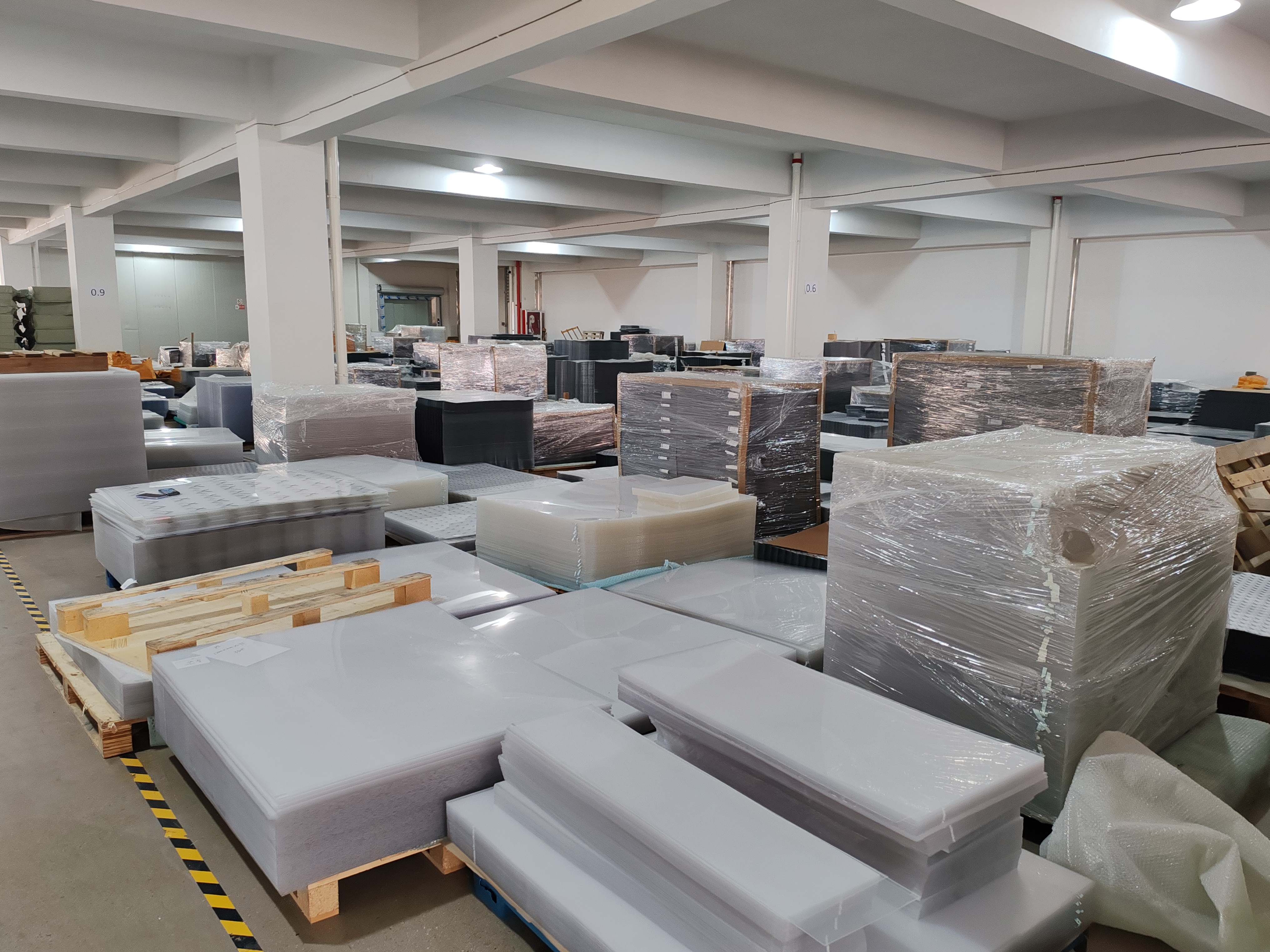
The cast acrylic sheets produced by Zhejiang Yifang New Materials are 100% made of high-quality PMMA raw materials, without adding any recycled materials. Adding sufficient ultraviolet absorbers during the processing of the board can maintain color stability even after long-term use under strong ultraviolet radiation. The outdoor service life can reach 8 to 10 years without yellowing or hydrolysis. The company has a production plant of 50000 square meters and an annual output of 22500 tons. It has passed ISO9001 quality management system certification.
| product type | pet、ps、acrylic、acrylic mirror、pvc sheet,acrylic sheet |
| thickness | 0.35-300mm |
| Styles | 1220*2440,1220*1830,500*900,50*60,960*1950,700*900/Customization of various specifications and sizes |
| delivery time | 5-8day |
| manufacture | Yifang |
related products