How to solve the processing defects of acrylic sheet
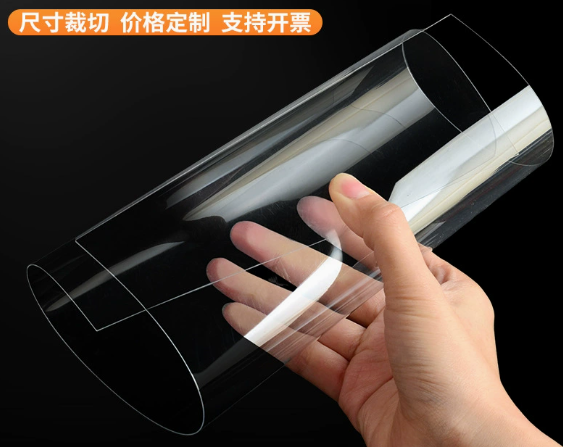
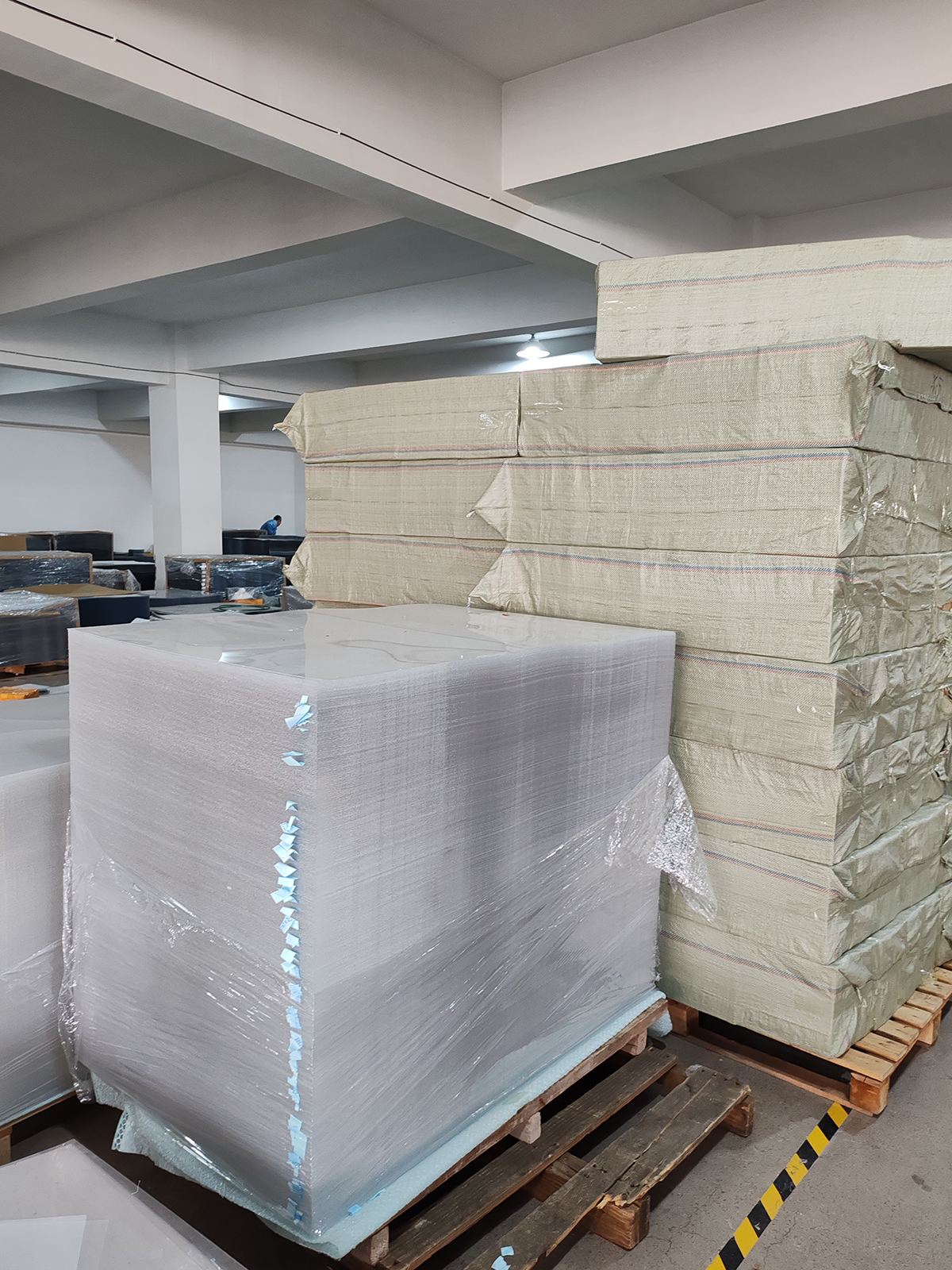
$1.15 available: In StockQuick Overview: Zhejiang Yifang New Materials, with 20 years of production and processing, international standards, and a daily output of 70 tons.
How to solve the processing defects of acrylic sheet? (Complete Guide to Bubbles, Whitening, and Cracks)
During the processing of acrylic sheets, bubbles, whitening, and cracks are the three most common quality defects. They not only affect the aesthetic appearance of the product, but may also directly lead to the scrapping of the entire batch of products. Many processors often don't know where to start when encountering these problems - changing materials, adjusting parameters, changing processes, and even after trying a circle, the problem still persists.
In fact, the causes of these three types of defects are different, and the solutions have their own focuses. Bubbles are mostly related to moisture and temperature, whitening is mostly related to stress, and cracks are related to material quality and solvent. By understanding their respective 'root causes', one can prescribe the right medicine. This article will provide you with a comprehensive guide to acrylic processing defects from four dimensions: processing precautions, processing methods, defect types and solutions, and common problems.
To avoid processing defects, the first step is to start with the preparation before processing and the standardized operation during the process:
1. Material selection is fundamental
Acrylic sheets with retail prices below 17 yuan/kg are all cast from recycled materials, and their performance cannot meet national standards. Recycled sheet materials have high impurities and internal stress, making them more prone to bubbles, whitening, and silver wire cracks during processing. The key to avoiding defects from the source is to use brand new materials for casting plates.
2. Drying treatment is essential
Acrylic materials must be thoroughly dried before processing. Trace amounts of moisture can vaporize during processing, leading to the formation of bubbles, silver streaks, and cloud like fog spots in the product. Suggest drying at 80-90 ℃ for 3-4 hours to ensure humidity ≤ 0.03%.
3. Temperature control should be precise
Maintain uniform temperature during hot bending to avoid deformation or bubbles caused by local overheating. The safe range for heating temperature is 150 ℃ -160 ℃. The cooling stage requires strict control of the cooling rate (usually ≤ 2 ℃/min) to avoid deformation caused by uneven shrinkage.
4. The bonding operation should be standardized
Before bonding, it is necessary to remove grease, dust, or air holes. After bonding, fix it with a clamp for at least 24 hours and do not move it. Avoid direct blowing, otherwise the edges of the section may turn white due to the rapid evaporation of the adhesive.
Different processing methods correspond to different process requirements and possible defects:
Laser cutting: suitable for fine shaping and thin plate cutting. It should be noted that excessive power can cause edge burning, while insufficient power can result in incomplete cutting. When cutting thick acrylic, blowing should be minimized as much as possible to avoid blurring or milky white at the top edge.
CNC engraving: suitable for three-dimensional patterns and thick plate processing. Do not use layered carving during carving, set to the optimal depth at once. Excessive tool temperature may cause burns or broken edges.
Hot bending forming: suitable for making curved surfaces. Insufficient temperature can easily cause cracks, while excessive temperature can lead to yellowing and deformation of the board. To prevent cracking during hot bending of thick plates, micro grooves need to be opened.
Vacuum forming: suitable for large three-dimensional shapes. The heating temperature should be appropriate. When the temperature is too high, the acrylic board will crack and lose its flexibility.
Adhesive assembly: suitable for display boxes, aquariums, etc. Improper selection of adhesive and incomplete treatment of the bonding surface may lead to bubbles and whitening.
Defect 1: Bubbles - "white shadow" on transparent boards
Typical manifestation: White or transparent circular voids appear inside or on the surface of acrylic products.
Three major causes:
Water vaporization: The water in the raw material vaporizes during processing to form bubbles
Vacuum bubble: Insufficient filling caused by central cooling shrinkage when the wall thickness is large
Adhesive bubbles: Unclean adhesive surface or improper operation
Solution:
Root cause solutions
Fully pre dry with water vaporization (80-90 ℃, 3-4 hours)
Vacuum bubbles reduce injection speed and increase injection pressure
Thoroughly clean the bonding surface with adhesive bubbles
Hot bending bubbles reduce heating temperature
Defect 2: Stress whitening - the "matte crisis" of transparency disappearance
Typical manifestation: White mist like marks appear in the stress area, and whitening occurs around the push rod.
Three major causes:
Demoulding stress: Small demoulding slope and rough mold lead to excessive pushing force
Hot bending stress: cooling too fast, inconsistent internal and external shrinkage rates
Adhesive stress: rapid evaporation of adhesive causes whitening
Solution:
Reduce injection pressure, increase mold temperature and maintain uniformity, and use annealing method to eliminate stress
Step cooling method after hot bending: first let it sit at 60 ℃ for 1 hour → 40 ℃ → room temperature
After bonding, cure in a constant temperature box at 60 ℃ for 2 hours to eliminate internal stress
During polishing, the sandpaper moves in a circular motion, gradually increasing the fineness to over 600 mesh
Defect 3: Silver wire cracks - the "spider web nightmare" of carving and filling paint
Typical manifestation: Fine silver filamentous cracks appear on the surface of acrylic or in areas of carved paint filling.
Two major causes:
Recycled materials: Recycled materials are more soluble in organic solvents than new materials
Solvent erosion: Organic solvents in pigments or paints corrode the surface of the board
Solution:
Short term plan: Use acrylic pigments (resin based) instead of solvent based pigments; Choose amino paint; Polish after painting
Fundamental solution: Use new materials to produce cast acrylic sheets, eliminating the risk of silver wire cracking caused by recycled materials from the source
Q1: If bubbles appear during processing, is it a quality issue with the board or a process issue?
Both are possible. If recycled sheet materials are used, the impurities and high moisture content in the raw materials can easily generate bubbles. If using brand new sheet metal, bubbles are usually caused by process issues such as insufficient drying, too fast injection molding speed, improper temperature control, etc. Suggest confirming the raw material grade first, and then investigating the process parameters.
Q2: Can acrylic sheets recover after turning white?
It depends on the degree and cause of whitening. Slight surface whitening (such as caused by adhesive evaporation) can be restored through cleaning and polishing. Deep whitening caused by internal stress can be eliminated by curing at 60 ℃ for 2 hours. If the whitening is accompanied by microcracks, it is difficult to fully recover and it is recommended to replace the board.
Q3: Why do some boards have problems while others don't with the same processing parameters?
The core difference lies in the consistency of board quality. The quality of the new material casting board is stable between batches, and the processing parameters have good repeatability; The quality of recycled boards fluctuates greatly, and the performance of different positions in the same batch of boards may be different. In addition, the response of casting plates and extrusion plates to processing parameters is also different - casting plates have high molecular weight and good thermal stability; The extruded board has a low molecular weight and is more prone to softening due to heat accumulation.
Q4: How to avoid cracking of acrylic sheets during hot bending?
There are three main reasons for hot bending cracking: insufficient temperature, rapid cooling, and internal stress in the board. Suggestion: ① Control the heating temperature within the safe range of 150 ℃ -160 ℃; ② Opening micro grooves to release stress before hot bending of thick plates; ③ After hot bending, use step cooling instead of directly placing it in cold water for shaping; ④ Choose impact resistant acrylic board, which has 30% higher toughness than ordinary board.
Q5: How to deal with cracks in acrylic board after carving and filling paint?
If cracks have already appeared, you can try: ① Repaint the cracks with acrylic pigment; ② Polish after painting. If it is a batch issue, it is recommended to replace it with a brand new cast plate and avoid the risk of silver wire cracking caused by recycled materials from the source
| product type | pet、ps、acrylic、acrylic mirror、pvc sheet,acrylic sheet |
| thickness | 0.35-300mm |
| Styles | 1220*2440,1220*1830,500*900,50*60,960*1950,700*900/Customization of various specifications and sizes |
| delivery time | 5-8day |
| manufacture | Yifang |
related products