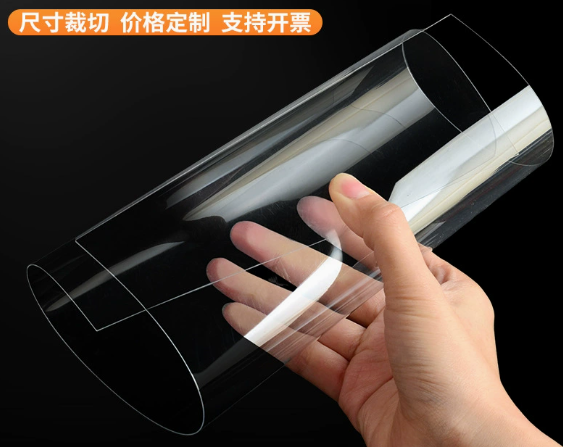
Melting point of acrylic PMMA sheet
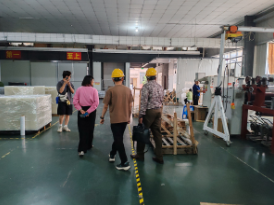
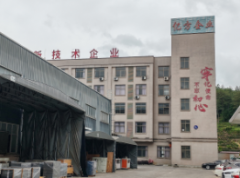
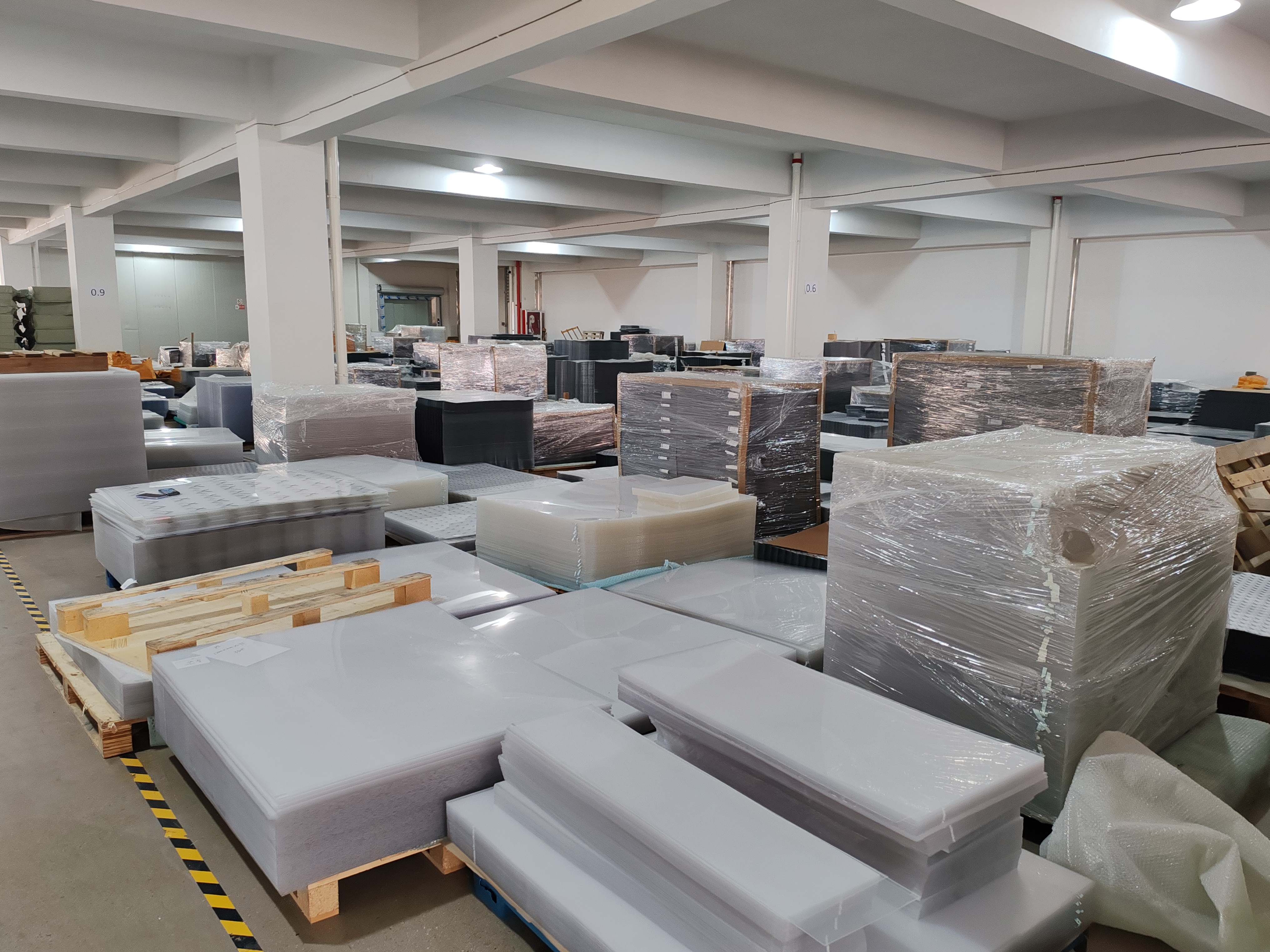
$1.15 available: In StockQuick Overview: Zhejiang Yifang New Materials, with 20 years of production and processing, international standards, and a daily output of 70 tons.
Melting point of acrylic (PMMA) sheet
What is the melting point of acrylic (PMMA) sheet? What should I pay attention to?
Acrylic, also known as polymethyl methacrylate (PMMA), has a melting point of approximately 130-150 ℃.
It should be noted that unlike materials such as metals, acrylic belongs to non crystalline polymer materials and does not have a fixed or precise melting point. The "melting point" we refer to actually refers to a temperature range at which it transitions from a solid state to a viscous flow state.
Therefore, when processing and using, we should not only focus on the melting point, but also pay attention to the following more practical thermal indicators:
Glass transition temperature (Tg): approximately 105 ℃. This is the critical point at which molecular chains begin to move and the material transitions from a hard and brittle "glassy state" to a soft and "highly elastic state".
Hot deformation temperature (HDT): approximately 96 ℃ (under a load of 1.18MPa). This is the temperature at which the material begins to undergo significant deformation under stress.
Vicat softening point: about 113 ℃. This is the temperature at which the material begins to significantly soften under specific testing conditions.
Maximum continuous use temperature: between 65 ℃ and 95 ℃. This is the temperature range within which acrylic can work safely for a long time and is the most important reference indicator in actual material selection.
Key points to note: Although the melting point of acrylic appears to be between 130-150 ℃, in daily use, it may begin to soften and deform when the temperature exceeds 80 ℃. The upper limit of safe temperature for long-term use is usually not recommended to exceed 70-80 ℃.
The "melting point" of acrylic is not an exact value, and there are slight differences in data from different sources, mainly due to differences in testing methods and material formulations.
Explanation of common reference values for thermal performance indicators
Melting point (melting temperature range) 130-150 ℃ is the temperature range at which a material transitions from a solid state to a flowable viscous state.
The glass transition temperature (Tg) is about 105 ℃, which is the starting point for the movement of molecular chains, and the material begins to soften.
The hot deformation temperature (HDT) is the temperature at which significant deformation begins under stress, around 96 ℃.
The Vicat softening point is about 113 ℃, which is the temperature at which the material begins to significantly soften.
The thermal decomposition temperature is about 270 ℃, which is the temperature at which materials undergo chemical decomposition. Beyond this temperature, materials will be damaged.
The highest continuous use temperature is 65 ℃ -95 ℃, which is the most important practical application indicator. Long term use beyond this range carries risks.
Although the heat resistance of acrylic is not outstanding, it is still widely used due to its high transmittance of 92%, excellent weather resistance, and ease of processing.
Advertising and Display: Creating lightboxes, signs, display stands, crystal characters, and signage.
Architecture and Decoration: Used for partitions, display windows, lighting covers, and bathroom fixtures (such as bathtubs).
Industry and Transportation: Manufacturing equipment protective covers, instrument panels, automotive lighting fixtures, etc.
Daily life: making aquariums, photo frames, handicrafts, stationery, etc.
Q1: At what degrees will acrylic sheets deform?
Acrylic sheets begin to soften and deform significantly at around 80 ℃. Long term use temperature is not recommended to exceed 70 ℃.
Q2: Which is more heat-resistant, acrylic sheet or ordinary glass?
The heat resistance of ordinary glass is much higher than that of acrylic sheet. The softening point of glass is usually above 600 ℃, while acrylic will soften around 100 ℃.
Q3: Can acrylic sheets be used outdoors?
Okay. Acrylic has excellent weather resistance and UV resistance (after adding UV stabilizers), and is a commonly used material for outdoor advertising and signage.
Q4: Is there a difference in heat resistance between cast acrylic and extruded acrylic?
Cast plates have a higher molecular weight and generally have slightly better heat resistance than extruded plates. The molecular weight of extruded plates is relatively low, and they may be more prone to deformation at the same high temperature.
Q5: Is it safe to burn acrylic sheets?
Acrylic is a combustible material with a thermal decomposition temperature of about 270 ℃ and a flash point of about 250 ℃. When burning, gases such as carbon dioxide and carbon monoxide will be released, so it should be kept away from the fire source.
Q6: Is there a more heat-resistant acrylic?
have Heat resistant PMMA can be modified by copolymerization, and its thermal deformation temperature can be increased to 98-105 ℃ or even higher.
| product type | pet、ps、acrylic、acrylic mirror、pvc sheet,acrylic sheet |
| thickness | 0.35-300mm |
| Styles | 1220*2440,1220*1830,500*900,50*60,960*1950,700*900/Customization of various specifications and sizes |
| delivery time | 5-8day |
| manufacture | Yifang |
related products