Price List and Cost Analysis of Transparent Cast Acrylic Board
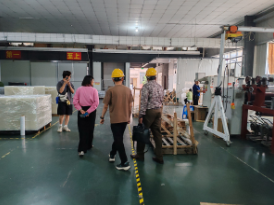
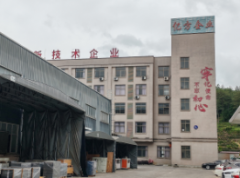
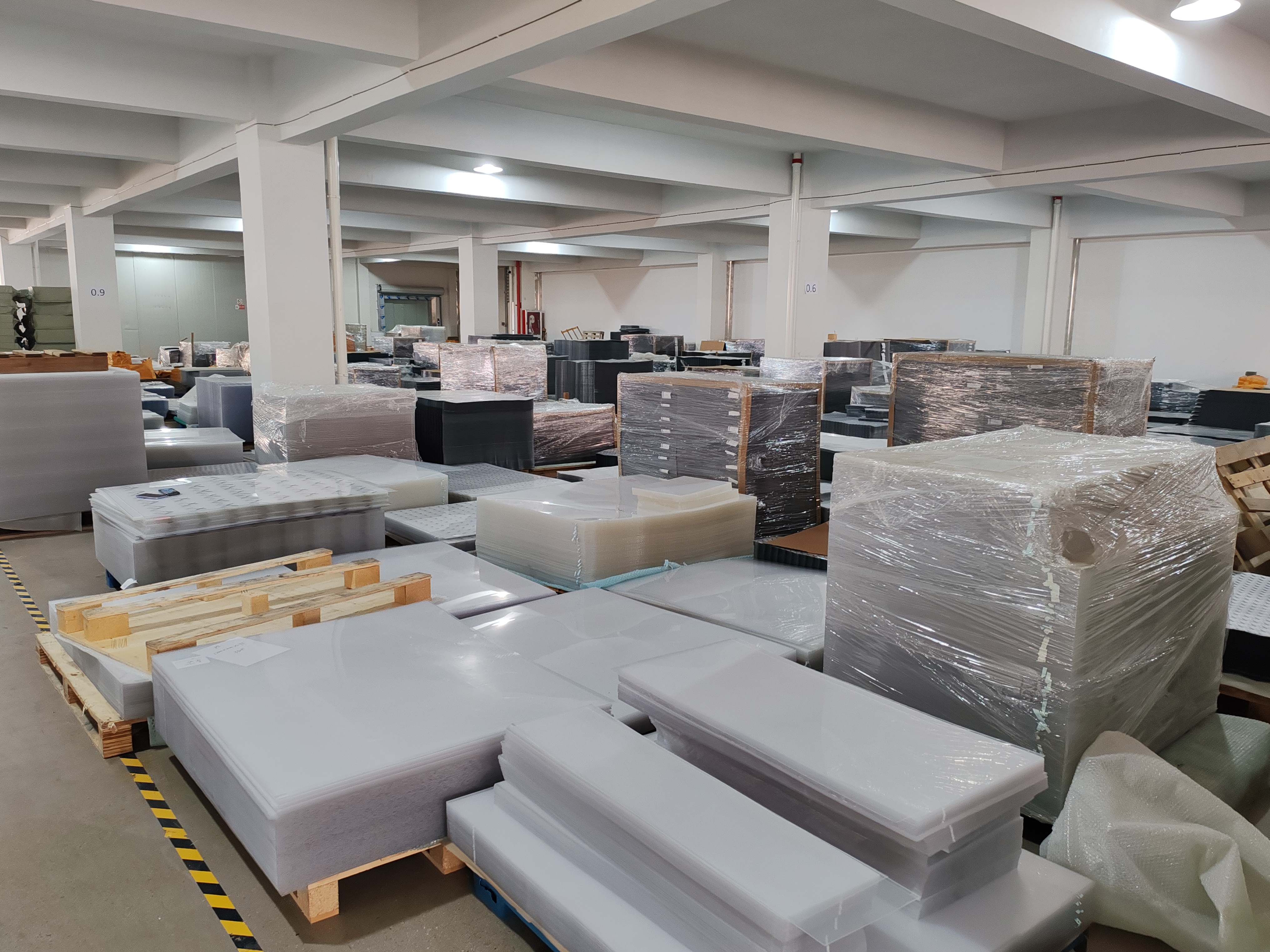
available: In StockQuick Overview: Zhejiang Yifang New Materials, with 20 years of production and processing, international standards, and a daily output of 70 tons.
Price List and Cost Analysis of Transparent Cast Acrylic Board
In the procurement decision of transparent cast acrylic sheets, the "price list" is often the first information that procurement personnel need. But behind a simple price list, there are multiple cost components involved, such as raw material grades, production processes, thickness tolerances, and customized processing.
The price difference between different manufacturers on the same thickness can sometimes be as high as 100%, which is difficult to distinguish just by looking at the numbers. Starting from the basic reference data in the price list, this article will gradually break down the cost composition, procurement precautions, and common problems of transparent cast acrylic sheets, helping procurement personnel to see the "value account" behind the prices.
The reason why transparent cast acrylic sheets are expensive is closely related to their excellent performance. In terms of raw materials, high-purity MMA monomers must be used for casting plates. Liquid raw materials are slowly polymerized and solidified by injecting them into glass molds. The entire process is time-consuming and requires extremely high temperature and environmental control requirements. Extrusion board is a continuous extrusion molding process that melts granular raw materials at high temperatures, simplifying the process and increasing production efficiency, resulting in low costs.
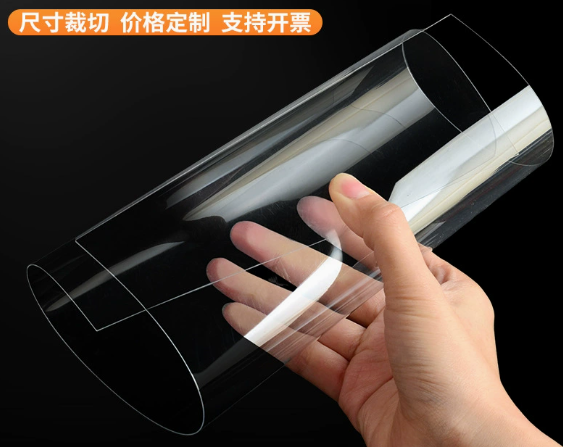
In terms of product performance, the light transmittance of the cast board can reach 92% -98%, with a crystal clear appearance, smooth and transparent edges without blemishes, impact resistance 6 to 17 times that of ordinary glass, density only half that of glass, good weather resistance, and outdoor life of 5-10 years after adding ultraviolet absorbers.
Complete Thickness Specification Table
Thickness level reference thickness (mm) Applicable scenario reference price range (yuan/㎡)
Ultra thin board 0.8-1.5 special customization, with low shipment volume negotiated based on order quantity
Thin Plate 2, 3, 4, 5 Light Box Panels, Display Shelves, Signage 70-150
Medium thick plate 6, 8, 10 furniture partitions, equipment covers, medium-sized displays 150-250
Thick plate 12, 15, 20 aquarium, building partition, load-bearing structure 250-500+
Super thick plates 25, 30, 40, 50+for large-scale projects, special customization 500+
Explanation: The above prices are reference prices for casting new materials, with lower prices for extruded or recycled sheets and higher prices for imported brands.
Common thickness gradient: 3-5mm is the range with the highest market demand, suitable for mid-range applications such as advertising light boxes, display stands, signs, etc. 8-10mm is suitable for medium-sized applications with impact resistance and load-bearing requirements. 12mm and above are suitable for large structural components, and as the thickness increases, the production cycle and cost will significantly increase.
The use of transparent cast acrylic board covers multiple fields such as advertising signs, architectural decoration, industrial accessories, aquarium engineering, handicrafts, etc. When making a purchase, the thickness and material grade requirements should be determined based on the actual usage scenario.
Indoor non stress decorative applications can choose medium to low thickness; Outdoor large-scale structural applications must choose casting boards with added anti UV components, and prioritize larger thicknesses; Special scenarios such as medical equipment and food displays should confirm whether the manufacturer provides corresponding safety certifications.
Q1: What is the price structure of transparent cast acrylic board?
The price of transparent cast acrylic sheet mainly consists of the following parts:
The cost of raw materials is the largest proportion. The price of PMMA raw materials (MMA monomers) directly affects the factory price of the sheet. The price difference between 100% pure new materials and boards containing recycled materials can reach several times. The price of raw materials is often affected by factors such as crude oil futures and upstream factory maintenance, and fluctuates.
The cost of casting process is also higher than that of extrusion process. Casting production requires a large number of glass molds, and the polymerization process takes a long time (several hours to several days), as well as subsequent processes such as demolding, cleaning, polishing, and polishing; The extrusion method is capable of continuous production, has a high degree of automation, and has a significantly lower unit cost than the casting method.
The transportation and packaging costs vary depending on the weight and size of the board. The density of acrylic is about 1.2g/cm ³, and the transportation cost of thicker sheets is higher. The packaging difficulty of large-sized boards (such as 2050 × 3050mm) is also greater. In addition, boards certified by ISO9001, CE, SGS, etc. will increase quality control costs, but provide important guarantees for product stability.
Q2: What is the price difference of transparent cast acrylic sheets with different thicknesses?
Taking domestically produced high-quality new material casting boards as an example, the price gradient is roughly as follows: 2mm is about 80-100 yuan/㎡, 3mm is about 100-130 yuan/㎡, 4mm is about 120-180 yuan/㎡, 5mm is about 150-220 yuan/㎡, 8mm is about 180-280 yuan/㎡, and 10mm is about 250-400 yuan/㎡.
The price increases with thickness, but not completely linearly. The difficulty of controlling the thickness tolerance of casting plates decreases with increasing thickness, as thick plates are easier to process and have stable dimensions. Therefore, the unit cost of some thick plates may be lower than that of ultra-thin plates. For thick plates over 8mm, manufacturers often adopt a pricing system based on kilograms, with a price range of approximately 20-35 yuan/kg per kilogram. It is more economical to price according to kilograms for bulk wholesale.
Q3: Why do some manufacturers quote particularly low prices? What aspects may have "saved" costs?
Low quotes often conceal the following cost saving methods:
Replacing new materials with recycled materials can reduce costs by more than 50%, but recycled materials have low light transmittance, are prone to yellowing, and can become ineffective after six months of outdoor use. They may even produce a pungent odor during cutting.
Using extruded boards as cast boards can reduce costs by 30% -50%, but their transparency, hardness, and weather resistance are far inferior to cast boards.
Virtual thickness labeling is also a common method. Claimed to be 5mm, the actual thickness may be less than 4.5mm. By reducing the thickness, the cost of raw materials can be lowered. However, users will soon find that the strength is insufficient and it is prone to deformation during use.
Mix secondary materials and sandwich panels into the finished product, only cover the surface with a thin layer of acrylic, and fill the middle with cheap plastic. This type of board is prone to delamination and cracking when heated, and its service life is extremely short.
When purchasing, it is recommended to choose manufacturers with brand reputation and able to provide proof of raw materials. Do not use price as the sole criterion for judgment.
Q4: Which is more cost-effective, transparent cast acrylic board or transparent extruded acrylic board?
Casting board and extrusion board each have their own advantages, and the cost-effectiveness depends on the specific application scenario:
Priority should be given to scenes with casting boards: High end display props and signage require high transparency and no blemishes, and casting boards must be selected from an aesthetic perspective; Outdoor signs require good weather resistance and UV resistance. Most extruded boards do not have UV protection function and must be made of cast boards; Small batch customization, special color or thick plate requirements, strong flexibility in casting plates.
Priority should be given to scenarios where extruded boards are used: large-scale standardized products, projects with strict thickness tolerance requirements, budget sensitive and low transparency indoor short-term applications.
Q5: How to calculate the procurement cost of transparent cast acrylic board? Is there a convenient price query formula?
For thick plates priced in kilograms, the formula of "weight x unit price in kilograms" can be used to estimate:
Single unit cost=length (m) x width (m) x thickness (mm) x density (1.2) x kilogram unit price (yuan/kg)
Taking the standard specification of 8mm thickness (1.22 × 2.44m) as an example: 1.22 × 2.44 × 8 × 1.2 × 20 ≈ 571 yuan/sheet. The unit price per square meter is about 190 yuan. Suggest inquiring separately based on square meters and kilograms to prevent manufacturers from using complex pricing methods that may cause difficulties in price comparison; At the same time, suppliers are required to provide proof of raw material grade to ensure that the price reflects the true quality level.
Q6: What additional cost items need to be considered when purchasing?
In addition to the price of the board itself, the following items will also affect the total procurement cost:
Processing costs: laser cutting, CNC engraving, hot bending forming, screen printing, drilling, etc., calculated separately based on process complexity and working hours, with lower unit prices for larger batches.
Cutting/cutting fee: Cutting standard large boards into small sizes specified by customers, usually charged based on the number of cutting blades or working hours.
Mold cost: Special molds are required for processes such as hot bending and vacuum forming, which require one-time investment. When the batch is large, the unit price decreases after being evenly distributed.
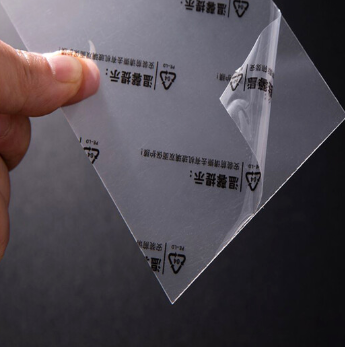
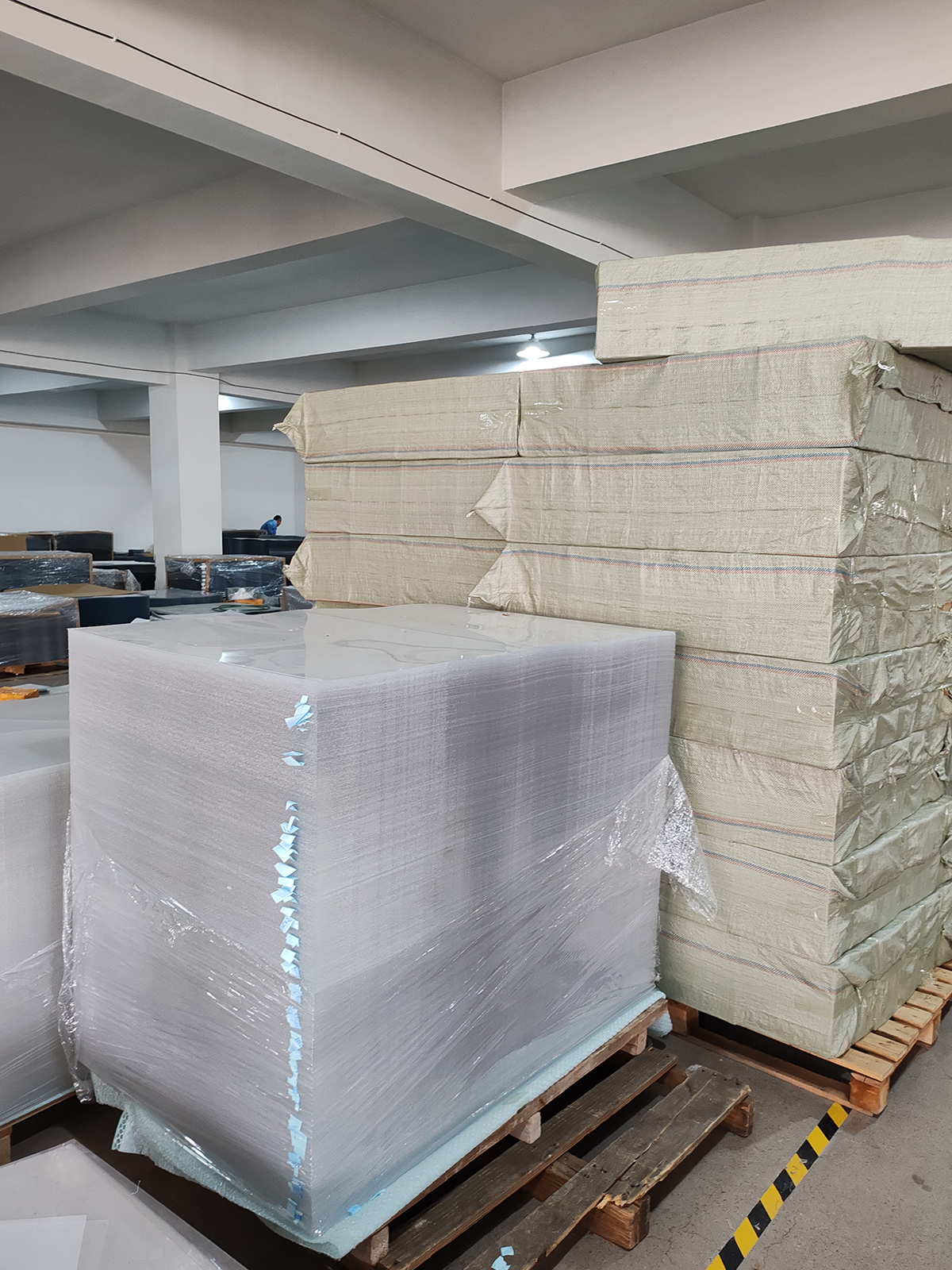
Packaging cost: Acrylic sheets are prone to scratches and breakage during transportation, and professional packaging (PE film+kraft paper+wooden pallet/box) requires additional charges.
Transportation costs: The weight and volume of the board are large, resulting in higher transportation costs. There is a significant difference in logistics costs between within the same city and across provinces.
Tax: Whether it includes value-added tax should be clearly stated when quoting.
Comprehensive cost=board cost+processing fee+mold fee (evenly distributed)+packaging fee+shipping fee+taxes. Suggest requesting suppliers to provide itemized quotations that include the above items during procurement, to facilitate horizontal comparison of the actual total costs of different suppliers.
Q7: Which is more worth purchasing, imported cast acrylic sheet or domestically produced cast acrylic sheet?
| product type | pet、ps、acrylic、acrylic mirror、pvc sheet,acrylic sheet |
| thickness | 0.35-300mm |
| Styles | 1220*2440,1220*1830,500*900,50*60,960*1950,700*900/Customization of various specifications and sizes |
| delivery time | 5-8day |
| manufacture | Yifang |
related products