Price of 4mm thick acrylic board - avoid these pitfalls save money and worry
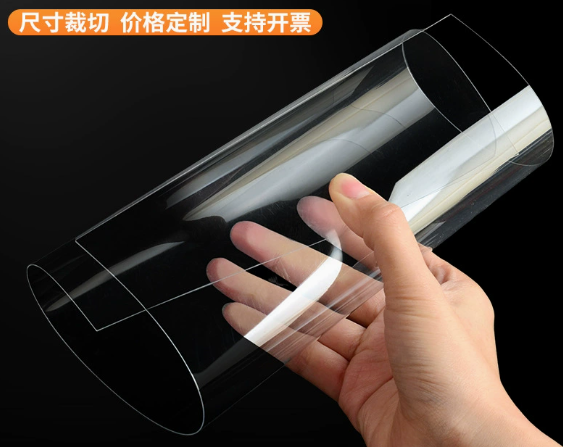
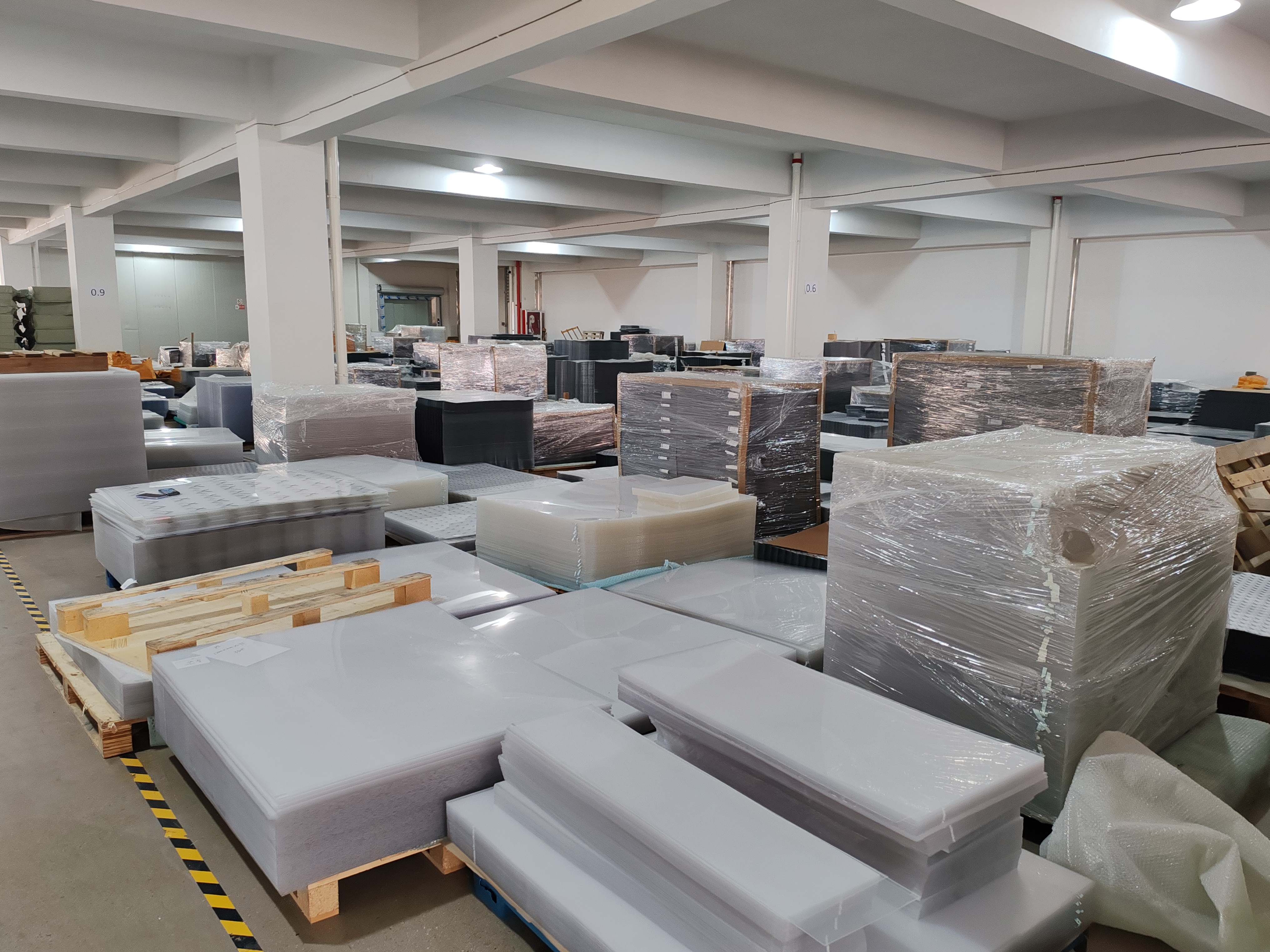
$1.15 available: In StockQuick Overview: Zhejiang Yifang New Materials, with 20 years of production and processing, international standards, and a daily output of 70 tons.
Price of 4mm thick acrylic board - avoid these pitfalls, save money and worry
4mm acrylic sheet is one of the most demanded specifications in commercial procurement. But in practical operation, many people have found that the price difference in the market ranges from "tens of yuan per square meter" to "hundreds of yuan per square meter", and products that "look the same" have vastly different lifespans and user experiences.
Behind these price differences, is it value for money or an intelligence tax? This article will start with an analysis of the root causes of price differences, helping you understand the "hidden rules" of pricing, avoid various "pitfalls" in procurement, and truly achieve "cost saving and worry free".
The common procurement specification for 4mm acrylic sheet is 1220 × 2440mm (approximately 3 square meters). When inquiring, sometimes quote based on "one sheet", and sometimes quote based on "square meters" - it is recommended to convert them into "yuan/square meter" and then compare horizontally.
Key points for price conversion: Understand whether the product is cast or extruded, and directly inquire about the price per square meter instead of just looking at the unit price; Confirm whether the quotation includes cutting fees, packaging fees, and value-added tax; The price difference between small-scale procurement and large-scale wholesale can reach 20% -50%, with the larger the quantity, the lower the average price. Some manufacturers offer prices below 100 yuan/square meter (depending on the order quantity); When the price is close, it is preferred to choose cast plates. Extruded plates are prone to yellowing and cracking, and long-term use is not worth the loss.
The 4mm positioning is a medium thin plate, suitable for scenarios that require a balance between strength and lightweight. Comparing price gradients of different thicknesses:
Thickness reference price (yuan/㎡) price positioning
2mm 50-100 entry-level, suitable for lightweight applications
3mm 80-150 economy type, suitable for ordinary display
4mm 100-200 main specifications, with the best cost-effectiveness
5mm 150-250 upgraded version, suitable for higher strength
4mm is about 20% -40% more expensive than 3mm, but its bending rigidity is more than doubled; About 20% -30% cheaper than 5mm, enough to provide sufficient support for most medium-sized applications.
The following are the most easily overlooked "hidden pitfalls" when purchasing 4mm acrylic sheets, which must be checked item by item:
Pit 1: Using variegated boards to impersonate transparent boards
The appearance of the recycled sheet is yellowing, and inferior manufacturers may add fluorescent whitening agents to "whiten" it. Resolution method: Stand the board upright and look at the cross-section in front of the light - the cross-section of the new material is transparent and colorless, while the recycled material is clearly yellow. When illuminated with white light, the light emitted by the new material is pure and does not turn yellow, while the recycled material may turn yellow or blue.
Pit 2: Thickness virtual label -4mm but actually 3.6mm
Some small manufacturers use thickness tolerance space to "steal materials" by measuring the corners and middle of the board with calipers when purchasing. The actual thickness of high-quality 4mm boards should be between 3.8-4.2mm. The cheap 4mm board may have a thickness of only 3.5-3.7mm, greatly reducing its load-bearing capacity and lifespan.
Pit 3: Extrusion board impersonates casting board
The cost of extruded board is 30% -50% lower than that of cast board, but it does not have UV protection function and will turn yellow within six months to a year. Through edge recognition: the edges of the casting board are smooth, transparent, and free of pockmarks; The extruded board may have pockmarks or even turn yellow and black.
Pit 4: Scratching the board during transportation
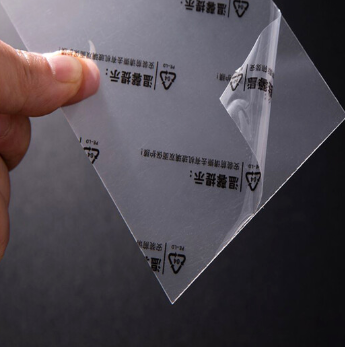
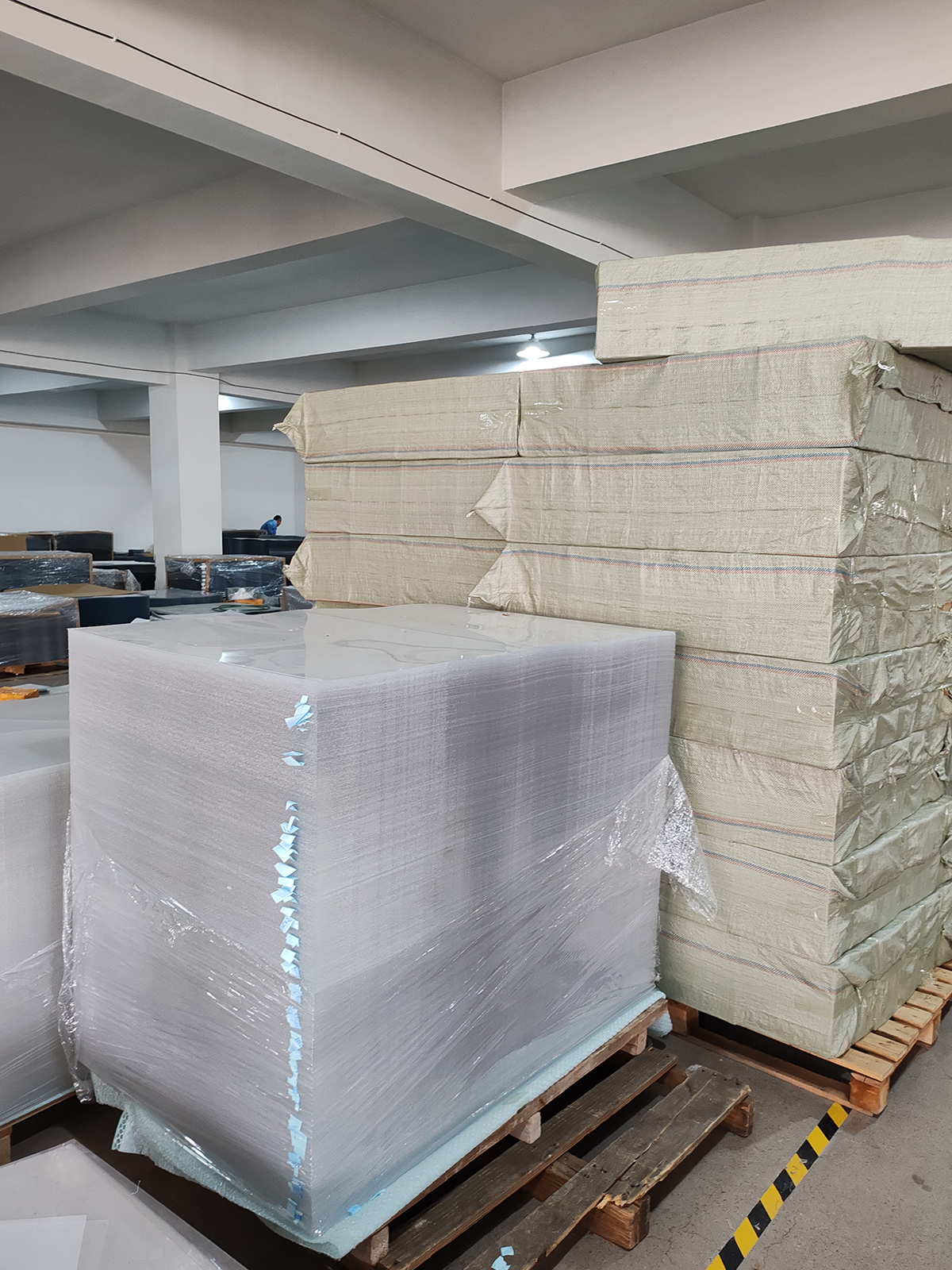
The surface hardness of acrylic board is not high. Retain the protective film on the surface of the board and remove it during on-site installation; During transportation, use pearl cotton insulation and cardboard/wooden boxes for reinforcement to prevent the boards from rubbing against each other and causing extensive scratches.
Pit 5: Low price without processing fees
When inquiring, it is necessary to clarify whether the quotation includes processing costs such as cutting, punching, and screen printing. Many merchants offer low prices to attract traffic, with processing fees calculated separately, resulting in a final total price much higher than expected. Suggest requesting itemized quotation details when comparing prices.
Suggestions for matching thickness and usage:
Usage Applicable Thickness Description
Small/indoor lightbox 3-4mm with good transparency and lightweight design
Medium sized display rack 4-5mm, balancing aesthetics and load-bearing capacity
Store signage 3-5mm outdoor requires UV resistance
4-6mm waterproof and moisture-proof bathtub edge/partition
Large lightbox (>2 ㎡) 5-8mm anti collapse and anti deformation
Mechanical equipment cover 5-10mm high impact resistance
4mm thick acrylic sheet is suitable for lightboxes, display stands, small partitions, and furniture finishes with a span of no more than 1 meter. For load-bearing structures exceeding 1 meter, it is recommended to use 5-6mm, and the "safety redundancy" of thickness is the key to material selection.
Q1: Why is there such a big price difference for the same 4mm board?
The core difference lies in "material" and "craftsmanship". Waste recycling materials with a light transmittance of less than 80% will turn yellow within six months and cost only a few tens of yuan per square meter; Domestic new qualified products with a light transmittance rate of ≥ 92% and no yellowing for 5-8 years outdoors, priced at 100-150 yuan per square meter; Imported brands use high-purity MMA raw materials and precision casting processes, with a light transmittance of over 94% and a price range of 200-400 yuan per square meter, suitable for high-end projects. It is recommended to choose according to the usage environment and avoid "overconsumption" or "losing big for small gains".
Q2: Why do some 4mm boards claim to "not turn yellow for 10 years"?
Depends on the substrate and UV resistant additives. After adding UV resistant additives to the new material, the molecular structure of the board is stable and will not yellow for 5-10 years outdoors. But manufacturers claiming that "there will be no yellowing for 10 years" must provide QUV accelerated aging test data to support it. Requesting a testing report is the most direct way to verify the true quality.
Can 4mm acrylic sheet be processed into irregular shapes?
Okay. 4mm cast plate has good machinability and supports various secondary processing such as laser cutting, CNC engraving, hot bending, drilling, screen printing, etc. The minimum order quantity for customization varies according to the manufacturer's policy, and some source manufacturers support small batch customization.
Q4: What should be noted when installing 4mm acrylic sheet?
Avoid excessive force that may cause the board to break; Reserve expansion joints for thermal expansion and contraction during large-scale installation (approximately 3-5mm/meter); The fixing screws should not be tightened too tightly to prevent cracking caused by local stress concentration. It is recommended to use specialized acrylic adhesive or neutral sealant to assist in fixing.
Q5: How to determine if the "brand new material" mentioned by the merchant is true?
Merchants can be required to provide raw material testing reports, including proof of the source and place of origin of granular materials. Cross validation using "one look, two touch, three smell". A more reliable way is to request the shipment of samples and observe the uniformity of light transmission and cross-sectional color under white light irradiation.
Q6: Which is more cost-effective between 4mm and 5mm?
There is no standard answer. Display racks and small light boxes within 1 square meter, with 4mm providing better cost-effectiveness; For medium applications of 1-2 square meters, it is recommended to use 5mm; for large-area applications of 2 square meters or more, 6-8mm is needed. Being too thin can cause collapse and deformation, while being too thick can increase unnecessary costs and weight. Determine based on the actual span.
| product type | pet、ps、acrylic、acrylic mirror、pvc sheet,acrylic sheet |
| thickness | 0.35-300mm |
| Styles | 1220*2440,1220*1830,500*900,50*60,960*1950,700*900/Customization of various specifications and sizes |
| delivery time | 5-8day |
| manufacture | Yifang |
related products