Processing characteristics and selection guide of 2mm cast acrylic sheet
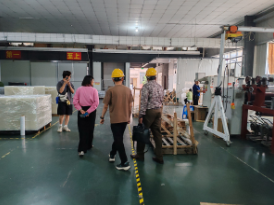
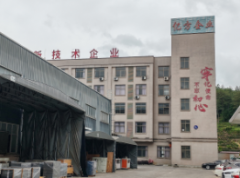
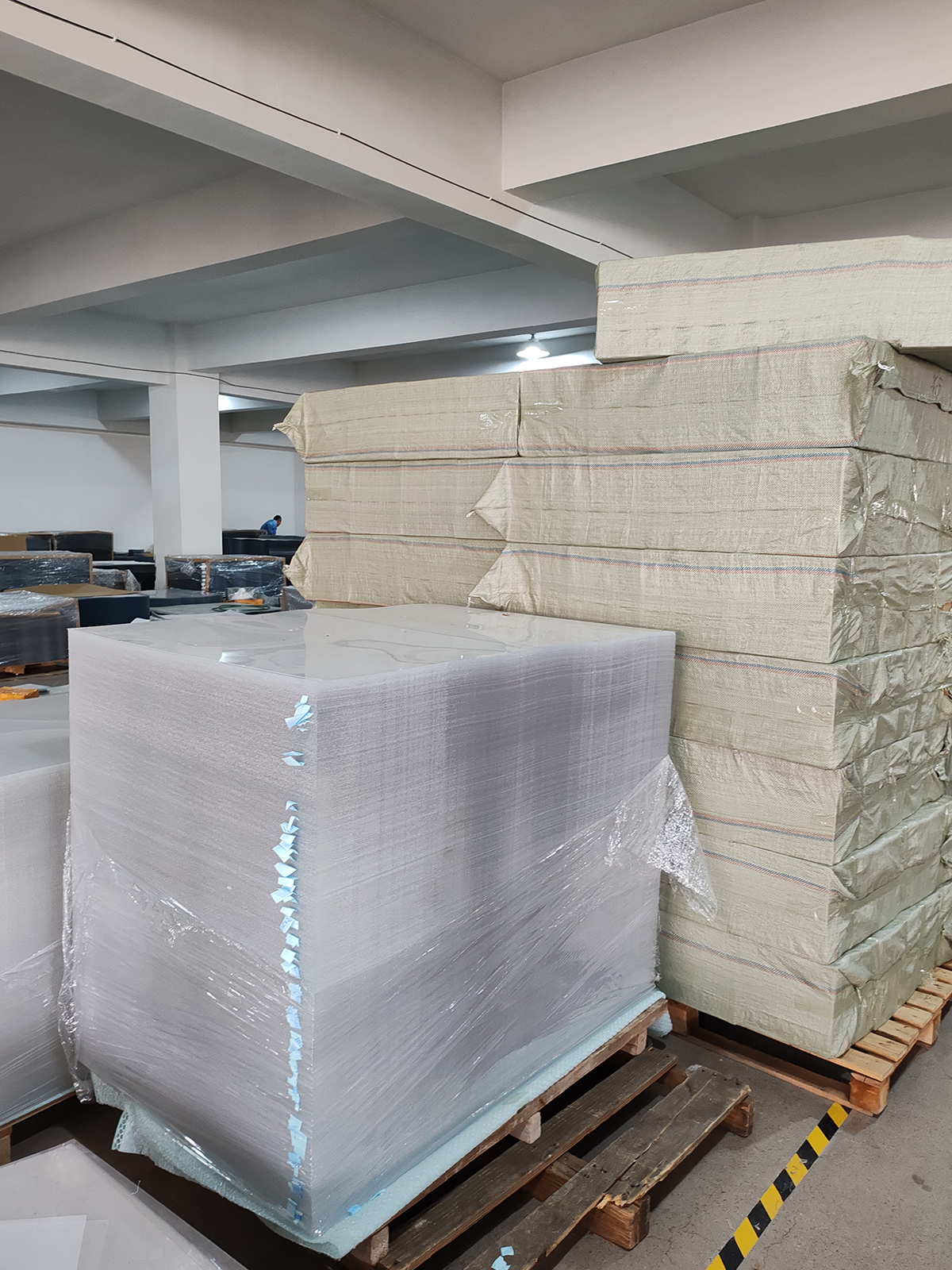
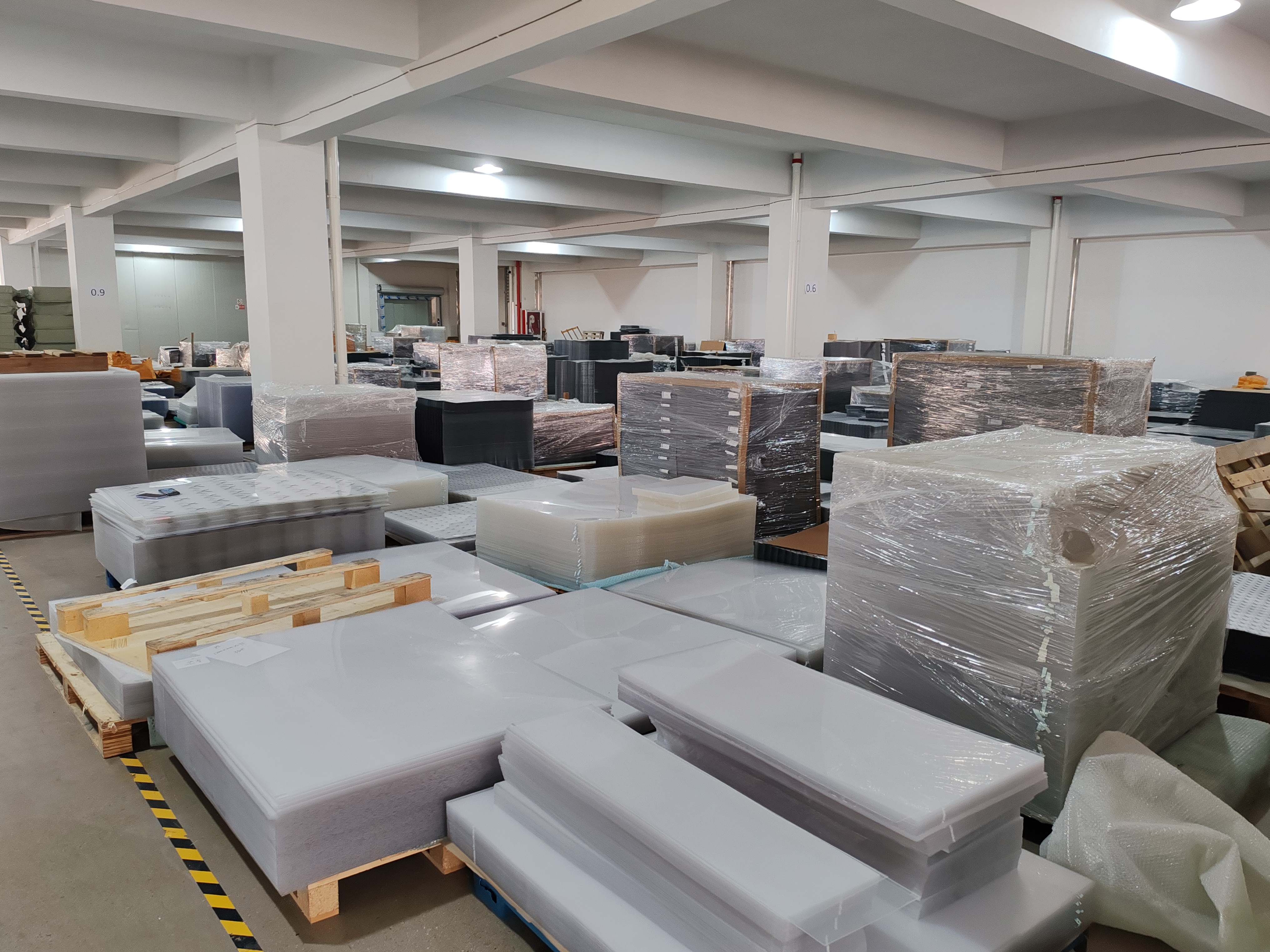
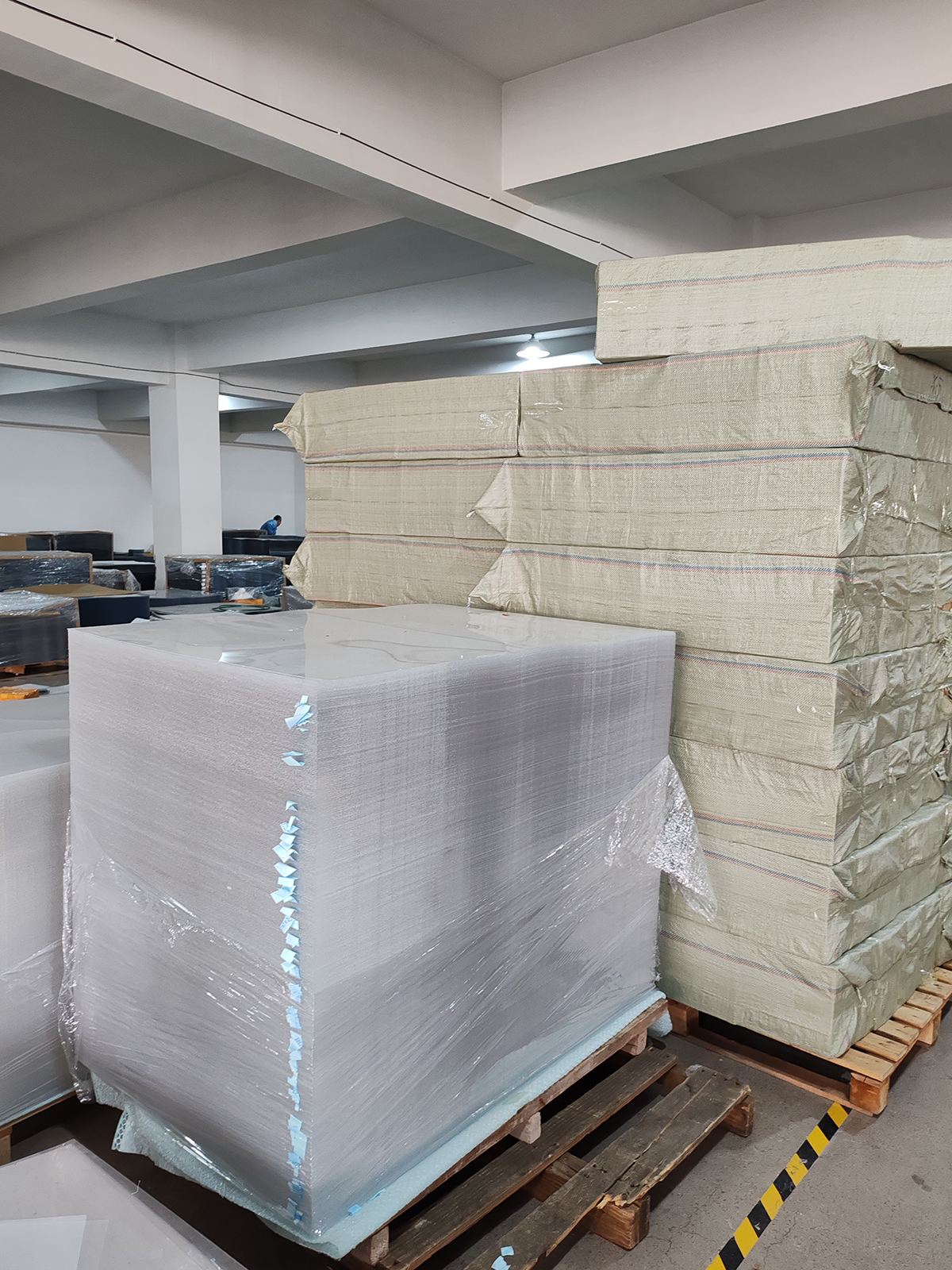
$1.15 available: In StockQuick Overview: Zhejiang Yifang New Materials, with 20 years of production and processing, international standards, and a daily output of 70 tons.
Processing characteristics and selection guide of 2mm cast acrylic sheet
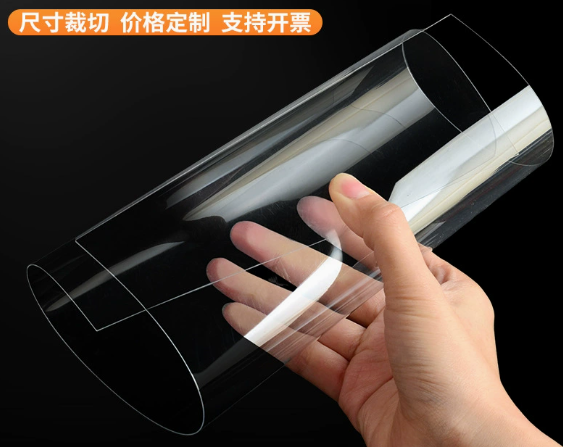
2mm cast acrylic sheet, as one of the most frequently used specifications in the acrylic family, is the "main sheet" for many customized processing projects. Whether it's panel cutting for advertising light boxes, precise punching for electronic product display stands, layered engraving for LED backlit characters, or hot bending for cultural and creative gifts, a 2mm thickness can achieve a good balance between performance, cost, and processing convenience.
But 2mm as a 'critical thickness' - it is more rigid and less prone to bending than 1mm board, and lighter and easier to process than 3mm board - also means higher requirements for detail control in the processing technology. Improper power setting can cause edge burning, excessive speed can lead to incomplete cutting, and inaccurate hot bending temperature can cause bubbling. This article will systematically introduce the core processing parameters, selection and identification methods, and common processing problem handling of 2mm cast acrylic sheets, helping you avoid detours and improve the yield rate in actual production.
2mm acrylic sheet belongs to the category of thin sheets, with a thickness positioning between ultra-thin sheets (0.8mm-1.5mm) and medium thin sheets (3mm). 2mm is at the "golden ratio" of thickness - it is stiffer and more supportive than 1.5mm board; Lighter than 3mm board, higher cutting and carving efficiency, and lower material cost.
For small-sized applications smaller than 0.5 meters (such as mobile phone display stands, small light boxes, signage, stationery storage, etc.), a thickness of 2mm is sufficient to meet bending requirements. For medium-sized applications ranging from 0.5 meters to 1 meter, 2mm to 3mm can be selected based on the load-bearing capacity. For large-sized applications over 1 meter, it is recommended to choose a thickness of 5mm or more.
In terms of process flow, 2mm is a thickness that can be achieved by both extrusion and casting processes. During production, 2mm cast plates are slowly polymerized by injecting liquid monomers into molds, resulting in high molecular weight, dense internal structure, and better strength and weather resistance; The 2mm extruded plate is formed by continuous extrusion, which has high production efficiency and low cost, but its mechanical properties and transparency are slightly inferior.
Casting method (production process of 2mm plate)
The production of 2mm cast plates follows the same principle as thick plates, but differs in process details due to their thinner thickness
The first step is to mix MMA monomers with initiators, plasticizers, release agents, and other additives in precise proportions to form a slurry. The 2mm board requires extremely high purity of raw materials - the board is thin, and any impurities and bubbles will be significantly amplified, so new MMA raw materials must be used.
The second step is to pour the mixed liquid slurry into the gap between two inorganic glass flat molds, with a thickness of 2mm and precise control of the spacing using washers. The liquid monomers are placed horizontally to ensure even distribution in the molds.
Step three, the molded board enters the water bath and drying room for multi-stage polymerization. The polymerization temperature and time need to be strictly controlled: too high a temperature can cause rapid polymerization and internal stress, while too low a temperature can prolong the production cycle. Although the polymerization time of 2mm thin plate is short, the entire process still requires several hours of constant temperature reaction.
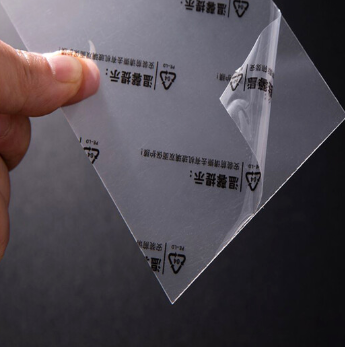
Step 4: After the board is fully polymerized, release it, cut the burrs, and apply surface coating protection. Finally, package and store it. The 2mm board produced by casting has smooth and transparent edges without any pockmarks - this is significantly different from the edges of extruded boards.
1. Ultra high transparency, visually almost 'shadowless'
The transmittance of cast acrylic board can reach over 98%, much higher than extruded board (over 92%). Under a thickness of 2mm, there is almost no loss of transmitted light, making it very suitable for high-end displays and fine lightbox scenes that require extremely high visual transparency. The edges are also smooth and transparent, without any blemishes or yellowing.
2. Superior impact resistance performance
The impact resistance of acrylic is 6 to 8 times that of ordinary glass, and the impact resistance of 2mm cast board is significantly better than that of extruded board of the same thickness. Although 2mm is thin, it is not easily brittle and suitable for applications that require certain impact protection, such as equipment protective covers, display cabinet panels, etc.
3. High molecular weight and good rigidity
The molecular weight of the cast plate is much higher than that of the extruded plate, which gives it excellent rigidity and strength. It can still maintain good bending resistance at a thickness of 2mm and is not easily deformed. After laser cutting and CNC engraving, the deformation is small and the dimensional stability is good.
4. Flexible color and texture customization
The casting process can achieve a rich color system and surface texture effect, with strong ability for small batch customization, and any Pantone color number can be accurately matched. The 2mm board in black and black tea colors is widely used in the field of LED display panels, with strong light shielding and advanced color rendering.
5. Excellent chemical corrosion resistance and weather resistance
2mm cast plates have good resistance to most organic solvents, oil stains, acids and bases, and are suitable for special scenarios such as laboratory protective facilities. Adding UV absorbers also shows excellent performance outdoors.
Q1: How to cut 2mm cast acrylic board without easy edge breakage?
It is recommended to prioritize laser cutting for cutting 2mm thin plates. Laser cutting is a non-contact process that does not generate mechanical stress. The cut is smooth and does not break edges, with an accuracy of ± 0.01mm. It is recommended to use a power of 60W-80W and a speed of 10-20mm/s for laser cutting to obtain smooth fire polished edges. When using a CNC engraving machine for cutting, it is recommended to use a small diameter double-edged spiral milling cutter (1-2mm) with a speed of 18000-24000RPM, a slow feed rate, and air cooling for heat dissipation. When manually sawing, it is recommended to use a fine toothed saw blade and repeat along the line 5-10 times until the depth reaches 1/3 before breaking. However, manual sawing has limited accuracy and is not recommended for use in precision demand scenarios.
How to solve the yellowing and burning of the edges of 2mm acrylic sheet during laser cutting?
2mm thin plate is very sensitive to laser power due to its small thickness, and it is prone to burning at slightly higher power. Solution: Reduce the laser power (by 5% -10% each time), increase the cutting speed, ensure sufficient auxiliary gas pressure (recommended 3-5 bar for thin materials), and regularly check whether the focusing lens is clean. Before cutting, use waste materials of the same thickness to test and find the optimal combination of power and speed before formal cutting.
What should be paid attention to when hot bending 2mm cast plates?
When bending 2mm thin sheets, it is recommended to heat them in an oven to around 160 ℃ for about 2-3 minutes. Once the sheets soften and sag, they can be removed and bent. Low temperature can cause bending failure or rebound; Excessive temperature can cause bubbling on the surface. During hot bending, use a mold to assist in forming, and cool to room temperature before shaping. It is recommended to use waste material for temperature testing before hot bending to determine the optimal parameters before formal processing.
Q4: How to distinguish between 2mm cast plate and extruded plate?
There are three simple methods to quickly distinguish: first, look at the appearance. The edges of the casting board are smooth, transparent, and free of blemishes, while the edges of the extruded board may have blemishes or even yellow or black spots; Second, observe the transparency by aligning the board with white light. The light emitted by the casting board is pure and does not turn yellow, while the extruded board may turn yellow or blue; Smell three odors, take a small piece and cut it. The cutting of the casting board has a low odor and smoke, while the cutting of the extrusion board (especially those containing recycled materials) has a high odor and smoke. These methods are very practical for on-site inspection of board quality.
Q5: How to process holes in 2mm acrylic sheet?
Attention should be paid to controlling the feed rate and cooling when drilling 2mm thin plates. It is recommended to use acrylic specialized drill bits (with sharp angles of 60 ° -90 °), with low speed and slow feed, combined with air-cooled heat dissipation to prevent local melting caused by friction heating. When the hole diameter is greater than 10mm, it is recommended to use a hole opener instead of a Fried Dough Twists drill. If there are burrs on the edge after drilling, they can be lightly sanded with fine sandpaper or quickly swept and polished with a flame.
What are the advantages of our factory's processing service for 2mm cast acrylic sheets?
Our factory focuses on the production and customized processing of 2mm cast acrylic sheets, with the following core advantages:
One stop service from the source factory: the entire chain from sheet production to product processing is independently completed, eliminating intermediate links, with lower costs, controllable quality, and guaranteed delivery time.
A complete set of advanced processing equipment: equipped with high-precision CO ₂ laser cutting machine (cutting accuracy ± 0.01mm), CNC machining center, hot bending forming equipment, screen printing equipment, UV printing equipment, etc., it can achieve full process processing from precision cutting, deep carving, hot bending forming to screen printing UV printing.
Laser cutting processing capability: We have accumulated a complete processing parameter database for 2mm thin plates, which can achieve efficient cutting in batches, with smooth incisions and no burnt edges, high precision, and good efficiency.
Hot bending forming capability: Equipped with precision hot bending equipment and specialized molds, it can produce various 2mm board hot bending products such as curved display racks, curved lightbox frames, and irregular decorative parts.
Screen printing and UV printing: Supports high-precision screen printing and UV printing of brand logos and decorative patterns, with strong adhesion and good weather resistance, suitable for commercial display, advertising and other branding needs.
| product type | pet、ps、acrylic、acrylic mirror、pvc sheet,acrylic sheet |
| thickness | 0.35-300mm |
| Styles | 1220*2440,1220*1830,500*900,50*60,960*1950,700*900/Customization of various specifications and sizes |
| delivery time | 5-8day |
| manufacture | Yifang |
related products