The difference between cast acrylic board and extruded board
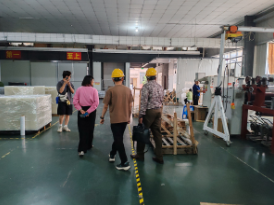
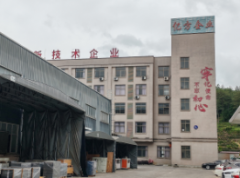
$1.15 available: In StockQuick Overview: Zhejiang Yifang New Materials, with 20 years of production and processing, international standards, and a daily output of 70 tons.
The difference between cast acrylic board and extruded board
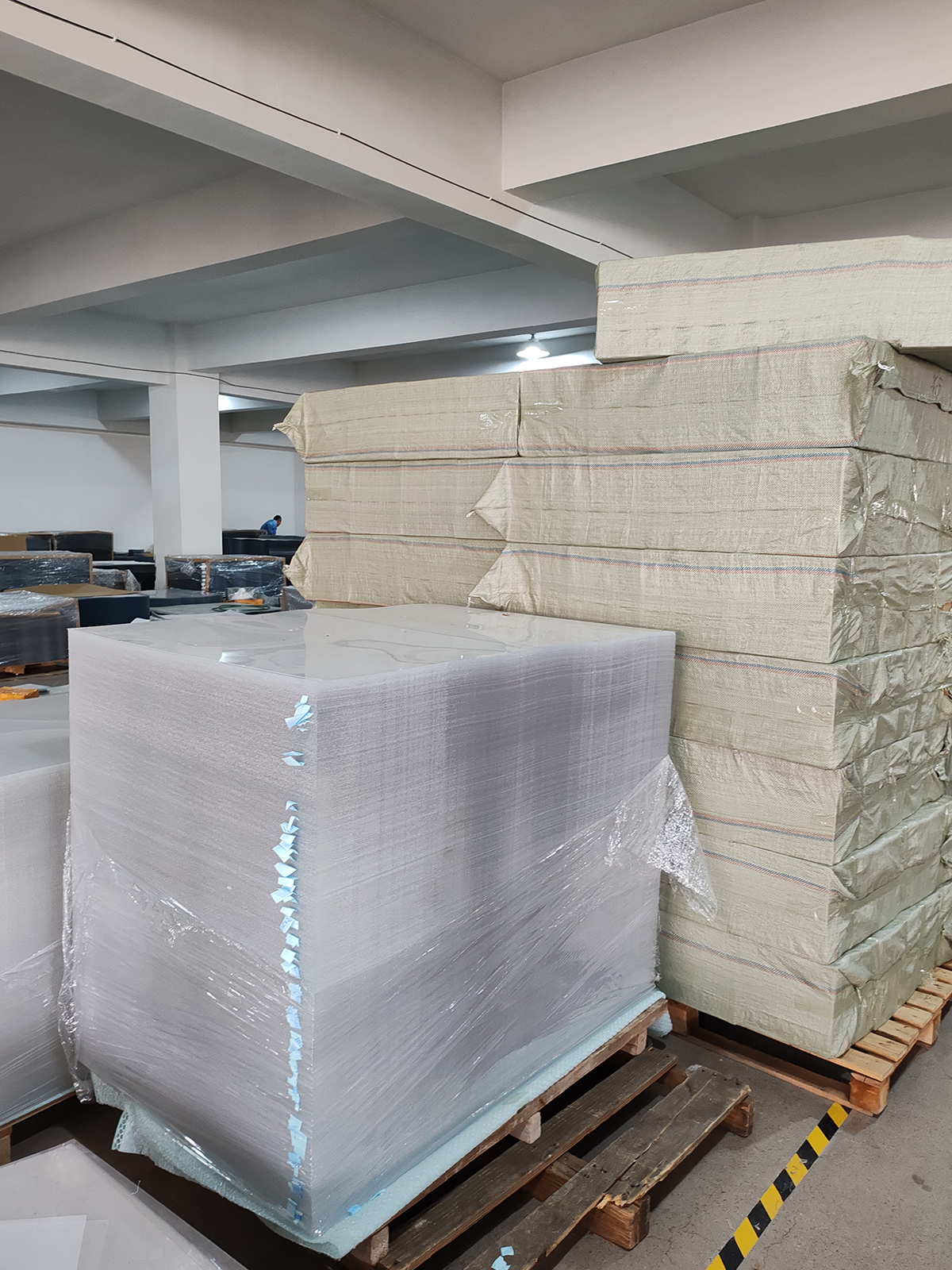
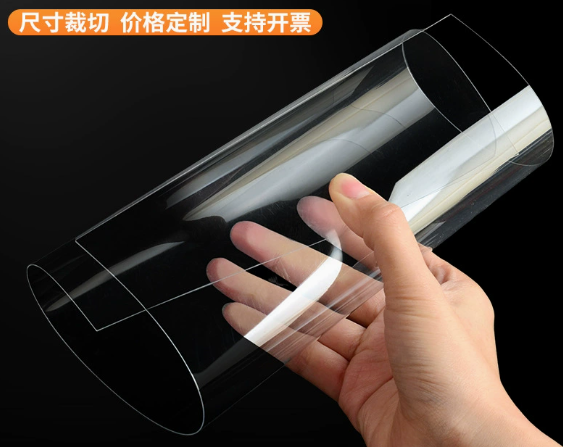
Cast acrylic sheet, also known as cast acrylic sheet or cast PMMA sheet, is a high-performance transparent sheet made through casting molding process. The core process is to directly inject PMMA monomer (liquid) into a glass mold, and after polymerization reaction, solidify and form it, similar to the way of "making tofu" - injecting liquid raw materials into the mold, solidifying and forming it. This production process results in casting plates with extremely high molecular weight, exhibiting excellent stiffness, strength, and chemical resistance.
The most prominent features of cast acrylic panels are high transparency and excellent optical performance. The transparency of transparent and colorless cast plates can reach over 92%, and the transparency of some high-quality products can reach 93% -98%, even exceeding the optical clarity of glass. Its impact resistance is 7 to 16 times that of ordinary glass, but its density is only half that of glass. It is lightweight and not easily broken. The weather resistance of the cast board is extremely strong, able to resist harsh environments such as ultraviolet rays, high temperatures, and humidity. It is suitable for long-term outdoor use, with a lifespan of up to 5 to 10 years. During use, the color remains bright and new.
Cast plates also exhibit excellent processing performance, making them easy to cut, drill, and bend. The edges after processing are smooth, making them easy to install and maintain. In addition, it has unparalleled flexibility in color system and surface texture effects, and can produce boards with multiple colors and textures to meet various special application needs.
Regular size
The conventional sizes of cast acrylic panels are quite diverse, and the common specifications in the market mainly include the following:
Size applicable scenarios
1220 × 1830mm (4 feet × 6 feet) standard size, most commonly used
1220 × 2440mm (4 feet × 8 feet) standard size, best-selling size
2050 × 3050mm large board specification
1250 × 2450mm commonly used standard size
1020 × 2020mm special application scenario
1600 × 2600mm Large scale Decorative Application
1850 × 2450mm special specification board
In addition, the cast acrylic board supports customized sizes as needed, such as 1220 × 2420mm, 1250 × 1850mm, 1500 × 2100mm, etc., which can meet the specification requirements of different projects. The size of the casting plate is uniform with small tolerances, and products produced using imported molds are more guaranteed in terms of dimensional accuracy.
regular thickness
The conventional thickness range for casting acrylic panels is very wide, ranging from 0.8mm to 200mm, which can be produced as follows:
Common Thickness Types and Applicable Scenarios
Thin plates of 0.8mm, 1mm, 1.8mm, 2mm, 2.5mm, 3mm for advertising, signage, display stands, handicrafts
Medium thick plates of 4mm, 5mm, 6mm, 8mm, 10mm are used for furniture decoration, display cabinets, and light boxes
Thick board 12mm, 15mm, 20mm, 25mm, 30mm indoor partitions, aquarium
35mm, 40mm, 50mm-200mm thick plate bathtub, large outdoor engineering
For regular specifications, casting plates with a thickness of 1mm to 30mm are more common, and thicknesses of 1.8mm to 60mm are also available. The thickness tolerance of the casting plate is generally controlled within ± 0.2mm, and most manufacturers can achieve an accuracy standard of ± 0.2mm.
Regular colors
The color options for casting acrylic panels are very diverse and can basically meet the color needs of various application scenarios:
Transparent color scheme: Transparent board is the most common type, with a light transmittance of over 92%, and some high-quality products can reach 93% or even higher, with a crystal like crystal clear feeling.
Color board: including white, black, red, yellow, blue, green, pink, gray, coffee, etc., with bright colors and a wide variety, supporting customization according to color samples. Famous brands usually offer over 60 colors to choose from.
Special effect boards: including frosted boards (transparent and opaque, soft lighting), semi transparent boards (with unique light and shadow effects), marble textured boards, metal effect boards, high gloss sparkling silver/gold boards, etc.
Differences in Transparency: Color palettes with special pigment formulations can present different visual effects under different lighting conditions. Some appear dark and opaque without backlight, while others emit light and are translucent when backlit.
Transparency situation
One of its core advantages is the extremely high transparency of cast acrylic panels:
Transparent board transparency: Colorless and transparent cast acrylic board has a light transmittance of over 92%, and some high-quality products have a light transmittance of up to 93% -98%, which is not only higher than ordinary glass, but even exceeds the optical clarity of glass. The light is soft and visually clear, presenting a crystal clear glass texture after polishing.
Color board transparency: Color cast boards also maintain good transparency, and the transparency can be adjusted according to the dyeing concentration, ranging from semi transparent to fully transparent.
Matte board transparency: Matte casting board achieves a transparent and opaque effect through surface treatment, with a light transmittance of over 92%. At the same time, the light is softer and visually comfortable, making it suitable for occasions that require privacy protection.
Optical Uniformity: The optical uniformity of the cast board is excellent. After being illuminated by white light, the high-quality board emits pure light without yellowing or bluing, with uniform color and no obvious color difference.
Common use
Cast acrylic board has a wide range of applications due to its excellent performance:
1. Architecture and Interior Design: Used for building components such as windows, skylights, partition walls, skylights, telephone booths, and sunroofs, as well as interior decorative elements such as ceilings, partitions, screens, and sliding doors.
2. Advertising and signage: widely used in lightboxes, signs, directional signs, display stands, illuminated LOGO lightboxes, crystal characters, etc. Casting board is particularly suitable for small batch customized processing, with flexibility in color system and surface texture effect, and is the preferred material for the advertising signage industry.
3. Sanitary equipment: used for manufacturing high-quality bathtubs, shower trays, dressing tables, and other sanitary equipment. The casting process can produce a very smooth surface, enhancing heat resistance and chemical resistance.
4. Display and Aquarium Industry: Used for display cabinets, handicraft displays, exhibition shelves, aquariums (fish tanks), etc. Its high transparency and excellent impact resistance make it an ideal choice for the aquarium industry.
5. Automotive industry: used for lampshades, instrument panels, interior components, etc.
6. Lighting applications: Widely used in fluorescent lamps, chandeliers, street lamp shades, lamp diffusers, and lenses.
7. Medical field: used for incubators, protective barriers, equipment casings, surgical instruments, etc.
8. Industrial applications: used for instrument surface panels, equipment covers, large beauty screens, sound barriers, etc.
9. Crafts and DIY: Suitable for artists and amateur enthusiasts to process and produce various creative works.
How to Cut
The cutting methods for casting acrylic panels mainly include the following:
1. Laser cutting: Laser cutting is a very popular cutting method in acrylic materials, which can produce high-quality cutting effects. When cutting casting boards, the cut should be flat, suitable for cutting complex patterns and small shapes. Laser devices with different powers can cut different thicknesses -30W-40W power can cut acrylic sheets with a thickness of about 3.1mm, 50W-60W power can cut acrylic sheets with a thickness of about 6.3mm, 80W-100W power can cut acrylic sheets with a thickness of about 9.5mm, 120W system can cut acrylic sheets with a thickness of 12.7mm at once, and 200W system can cut acrylic sheets with a thickness of 19mm at once.
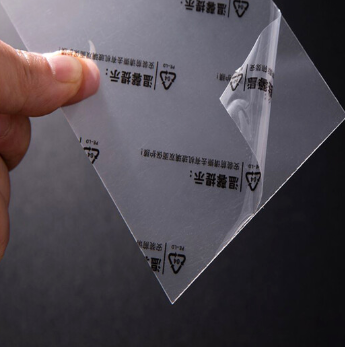
Cutting technique: The casting board will not form flame polished edges during laser cutting, but the carving effect is excellent, presenting a milky white color tone. Before cutting, the protective film on the front of the board should be retained to avoid scratching the surface; During the cutting process, attention should be paid to preventing edge melting or burning due to overheating.
2. CNC mechanical cutting: suitable for thick plate cutting and large-sized machining. Mechanical processing methods such as drilling, turning, washing, and cutting can be used. CNC cutting has good edge perpendicularity and a cutting accuracy of ± 0.01mm. When cutting large areas of graphics, common edge cutting can be used to shorten cutting time and save raw materials.
3. Sawing: Using a band saw or circular saw for cutting, suitable for simple linear cutting and sheet slitting. The sawing speed is fast and the equipment requirements are low, but the cutting edge may not be smooth enough and requires subsequent polishing treatment.
4. Hot bending cutting (hot forming): In addition to cutting, the casting plate also supports hot bending processing. Before hot bending, the sheet needs to be heated to the softening temperature (about 140-160 ℃), and then placed in the mold for molding. After cooling, it is shaped.
5. Drilling and Polishing: Standard drill bits can be used to drill holes in the casting plate. After drilling, the edges can be polished with sandpaper, flame polishing, or mechanical polishing to make it smooth and transparent.
Typical outdoor lifespan
The outdoor service life of cast acrylic panels is usually 5 to 10 years or more:
UV resistance performance: The casting board is processed with UV absorbers, which have extremely high strength and UV protection function, effectively resisting UV irradiation and preventing the board from aging and yellowing. High quality boards will not show significant yellowing after 8-10 years of outdoor use.
Weather resistance: Cast acrylic panels have strong adaptability to natural environments and can resist harsh environments such as sun exposure, rain, high temperatures, and humidity. They will not undergo hydrolysis, discoloration, or brittleness due to prolonged exposure.
Outdoor service life: The outdoor service life of the new material casting board can reach more than 5 years or even 10 years, and the color remains bright and new during use. After UV coating treatment, it can ensure that there will be no yellowing for 8-10 years.
Attention: Casting boards made with new materials and added with UV absorbers have a longer outdoor lifespan; However, boards containing recycled materials have poor UV resistance and may become significantly yellowed and brittle within six months. Therefore, outdoor applications must choose brand new cast plates.
Frequently Asked Questions
Q1: How to quickly distinguish between cast plates and extruded plates?
You can quickly distinguish it by the following points:
Look at the edges: The edges of the casting board are smooth, transparent, and free of blemishes; The edges of the extruded board may have pockmarks or sand holes, and the edges of B-grade boards may turn yellow or black.
Transparency: The transparency of the casting board is extremely high, reaching over 98%; The transparency of extruded boards is relatively low, generally above 92%.
Smell: There is less odor and smoke when cutting the casting board; If recycled materials are used for extrusion boards, there will be a strong odor and smoke during cutting.
Knocking sound: When the casting plate is struck, it emits a crisp "dong dong" sound.
Q2: Is the casting plate prone to deformation?
The casting board has a certain degree of moisture absorption, with a moisture absorption rate of about 0.3% -0.4%, and may slightly expand after moisture absorption. There is indeed a certain possibility of deformation in large-area thin plates under thermal expansion, contraction, and moisture absorption. Choosing boards with moderate thickness (3mm or more) and adopting reasonable installation methods can effectively reduce deformation.
Q3: Is the surface of the casting plate easy to scratch?
The surface hardness of the casting plate is equivalent to that of aluminum, with a hardness of about 2-4H, making it more susceptible to scratches from hard objects compared to glass. But the advantage of casting plates is that they are repairable - minor scratches can be restored to their original glossy surface through polishing. It is recommended to use a soft cloth and mild cleaning agents when cleaning, and avoid using rough fabrics or cleaning agents containing abrasive ingredients.
Q4: Can the casting board be recycled?
Okay. Cast acrylic panels can be recycled back to their original raw material monomers and have good environmental properties. However, it should be noted that the performance of recycled boards may decrease, and it is not recommended to use them in situations that require high quality.
Q5: What is the heat-resistant temperature of the casting plate?
The thermal deformation temperature of conventional casting plates is about 100 ℃, and the continuous use temperature should not exceed 90 ℃. Excessive temperature may cause deformation or melting of the board, so it is necessary to avoid direct contact of the board with the surface of high-temperature objects during use.
Can casting plates be used in food contact situations?
Cast plates that meet relevant food grade standards can be used for food display and contact occasions, but it is recommended to confirm the food grade certification of the product with the supplier before purchasing.
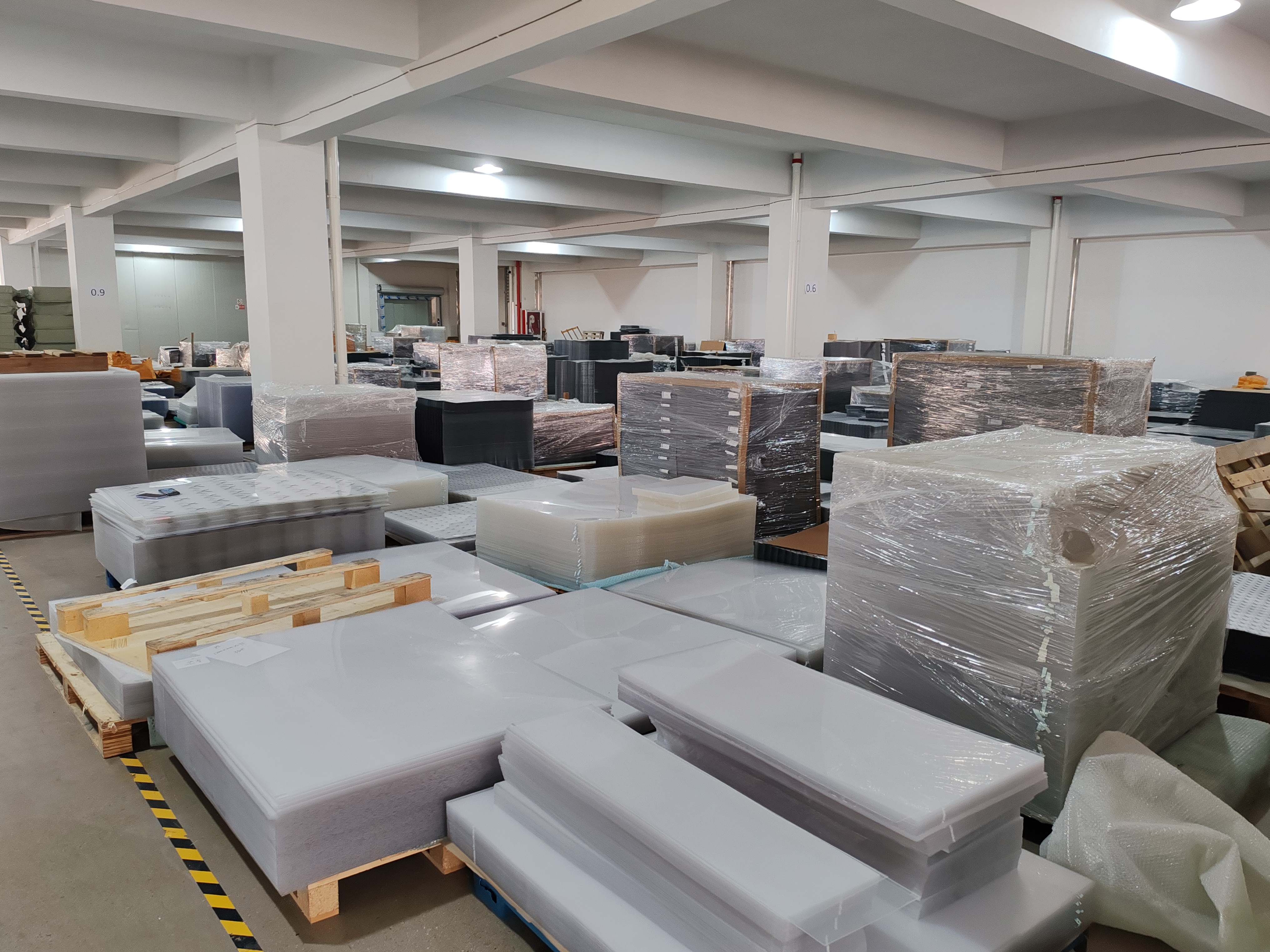
Our factory specializes in producing high-quality cast acrylic panels, with the following core advantages:
Pure new material production: 100% using imported PMMA new raw materials from internationally renowned brands such as Lucite and Mitsubishi, without adding any recycled materials, ensuring stable and reliable board quality without any impurities.
Advanced German molds: Produced using German imported molds, the product dimensions are uniform and the tolerance control is precise, ensuring that the dimensional accuracy of each batch of boards meets high standards.
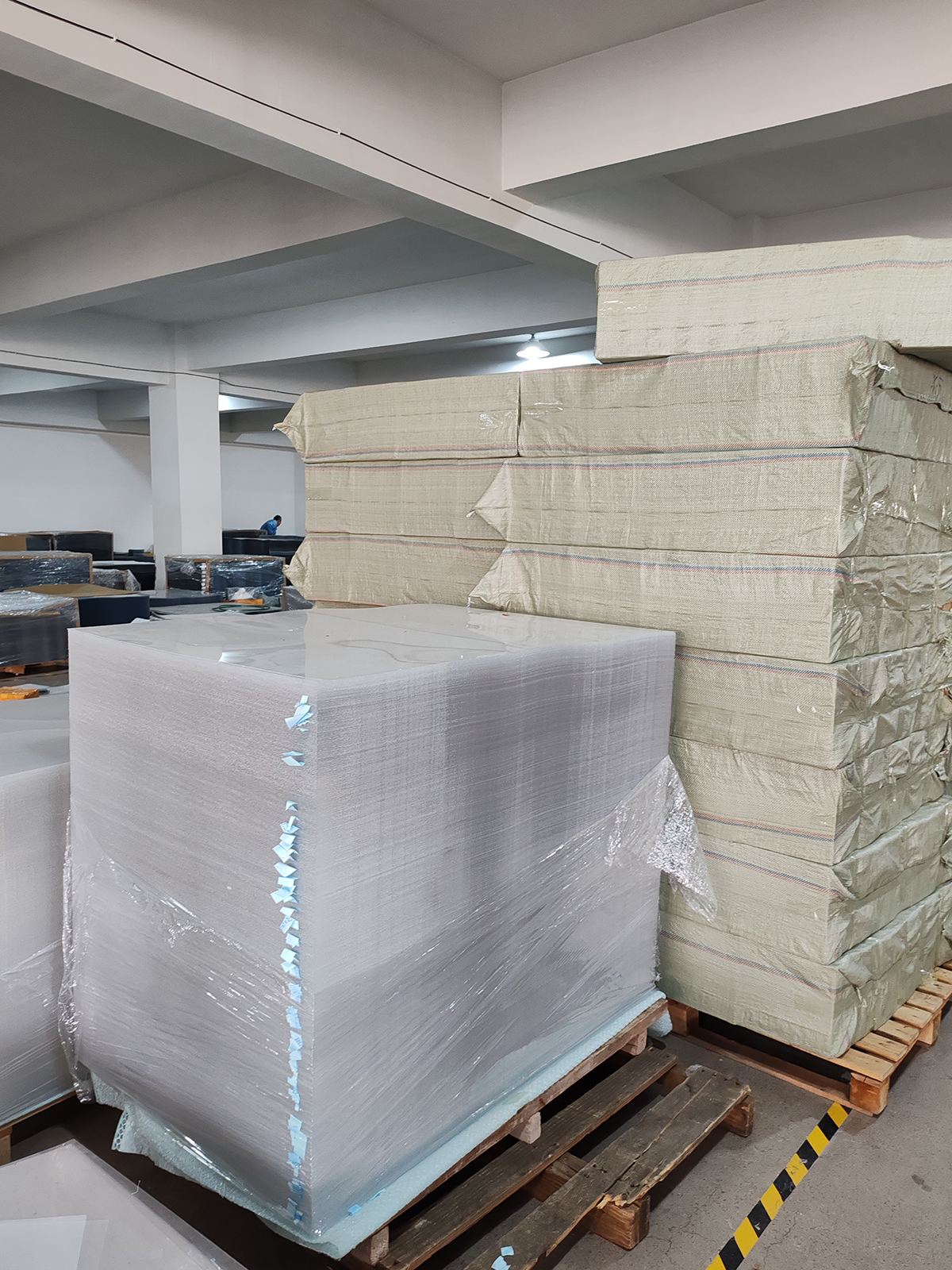
Complete specifications: The entire series covers thicknesses from 1mm to 50mm, with standard sizes including 1220 × 1830mm and 1220 × 2440mm. There are also large board specifications such as 2 × 3 meters, which can be customized as needed.
Rich in color: Provides over 60 color options, including transparent, solid color, matte, metallic effect and other textures, to meet the color needs of various application scenarios.
Excellent outdoor durability: The board is equipped with UV absorbers, which have good UV resistance and an outdoor service life of 5-10 years, suitable for long-term outdoor applications.
One stop processing service: providing full process processing services such as laser cutting, CNC cutting, drilling, polishing, hot bending, screen printing, etc. Customers only need to provide drawings to achieve complete delivery from sheet metal to finished products.
| product type | pet、ps、acrylic、acrylic mirror、pvc sheet,acrylic sheet |
| thickness | 0.35-300mm |
| Styles | 1220*2440,1220*1830,500*900,50*60,960*1950,700*900/Customization of various specifications and sizes |
| delivery time | 5-8day |
| manufacture | Yifang |
related products