What scenarios are suitable for different thicknesses of acrylic sheets A complete guide to thickness selection
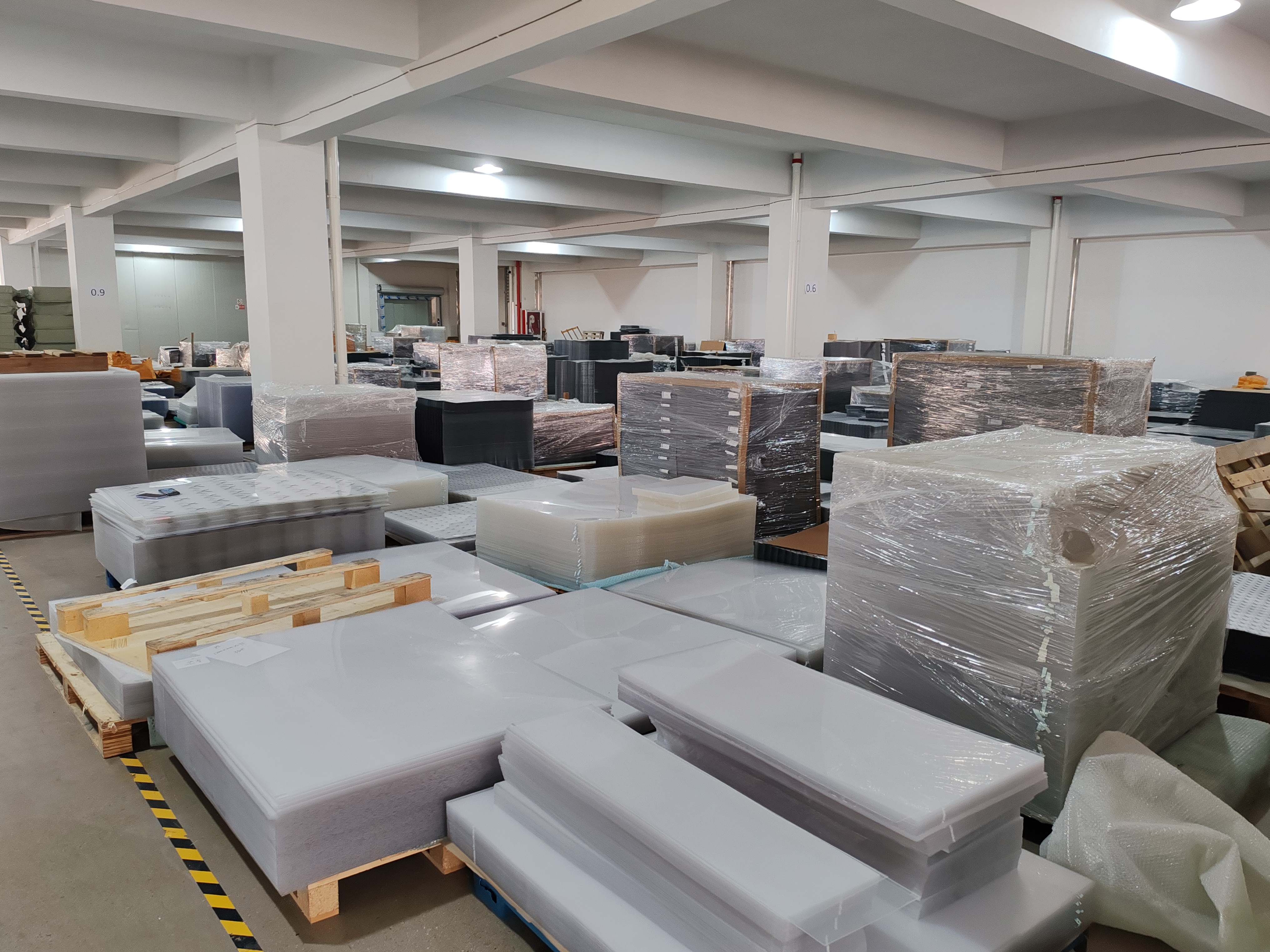
$1.15 available: In StockQuick Overview: Zhejiang Yifang New Materials, with 20 years of production and processing, international standards, and a daily output of 70 tons.
What scenarios are suitable for different thicknesses of acrylic sheets - A complete guide to thickness selection
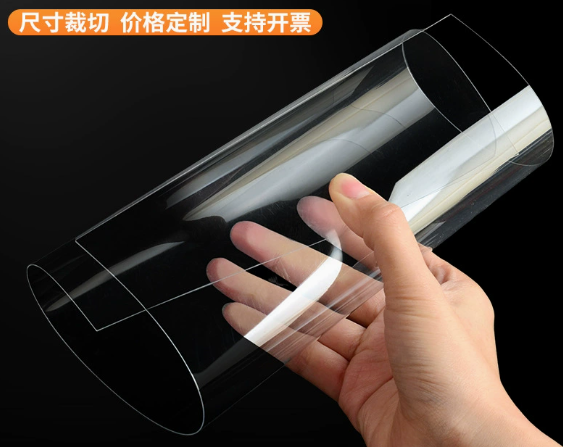
In the procurement of acrylic sheets, "how thick to choose" is often the first question that needs to be answered. From ultra-thin plates of 0.8mm to ultra thick plates of over 50mm, acrylic of different thicknesses varies greatly in terms of performance, usage, and price. Used in the right place, the board is both durable and economical; Using the wrong place can either cause deformation and damage, or result in wasted money.
Many buyers think that 'thicker is better', but in fact, this is a common misconception. The selection of thickness requires comprehensive consideration of multiple factors such as application scenarios, stress conditions, size, processing methods, and budget. This article will provide you with a complete thickness selection guide from four dimensions: the differences, characteristics, differentiation methods, and common problems of acrylic with different thicknesses.
The essential difference in thickness
The thickness of acrylic sheet varies from 0.8mm to 200mm, and different thicknesses correspond to completely different application scenarios. The thickness not only affects the bending strength and load-bearing capacity of the board, but also determines the processing method and applicable environment.
Bending strength: The thickness of the board is in a cubic relationship with the bending strength - doubling the thickness increases the bending strength by 8 times. That's why a 1.2-meter long lightbox with a 3mm board will sink in the middle, while a 5mm board can keep it flat.
Influence of transmittance: Thickness has little effect on transmittance, with a decrease of only about 0.5% for every 10mm increase in thickness.
Weight difference: For every 1mm increase in thickness, the weight increases by about 1.2kg per square meter. A 5mm thick plate weighs about 2.4kg per square meter more than a 3mm thick plate.
Differences in specifications and sizes
The standard sizes of acrylic sheets mainly include 1220 × 2440mm (4 feet × 8 feet), 1220 × 1830mm (4 feet × 6 feet), and 2050 × 3050mm. The specification size determines the material utilization rate of the board - choosing the right specification can reduce waste and lower costs.
The following are the characteristics and applicable scenarios of acrylic sheets classified by thickness:
Thickness level, thickness range, main characteristics, applicable scenarios
Ultra thin board 0.8-1.5mm, lightweight and flexible, bendable, high transparency, poster interlayer, display card, lightbox back panel, model bottom panel
Thin sheet 2-3mm lightweight, easy to cut, cost-effective mobile phone display stand, small signage, makeup mirror, small photo frame
Main board 4-5mm balances strength and lightweight, with the largest market demand for lightbox panels, medium-sized display stands, store signs, and partitions
Medium thick plate 6-10mm with stable structure and good bending resistance, suitable for medium-sized display cabinets, furniture decorative panels, and equipment covers
Thick plate 12-20mm with strong load-bearing capacity and high safety for aquariums, building partitions, and large display racks
Engineering grade strength of over 20mm thick plate, excellent impact resistance, aquarium viewing window, large skylight cover, load-bearing structural components
2-3mm thin sheet is suitable for lightweight applications such as small-sized display stands, signage, photo frames, etc., with low cost and fast processing. The 4-5mm main board is the "golden thickness" for advertising light boxes, display stands, and store signs, and is also the most widely used specification in the market. 6-10mm medium thick plate is suitable for medium-sized display cabinets, furniture decorative panels, equipment covers, and other scenarios that require a certain level of structural strength. 12-20mm thick plate is suitable for load-bearing applications such as aquariums and building partitions. Thickened plates above 20mm are used for engineering grade scenes such as aquarium viewing windows and large daylighting covers.
1. Deduce thickness through application scenarios
This is the most direct method. According to the size, load-bearing requirements, and aesthetic needs of the project, the following comparison table can be referred to:
Suggested thickness explanation for application scenarios
Small display rack (<30cm) 2-3mm lightweight, low cost
A4 sized signboard 2-3mm is sufficient for support and not easily deformed
Medium sized lightbox (<1 ㎡) 3-5mm, balancing light transmission and structural strength
Large lightbox (>1 ㎡) 5-8mm to prevent panel collapse
Display cabinet layer board (span 50cm) 5-6mm, load-bearing capacity 10-15kg
Display cabinet layer board (span 1m) 8-10mm, load-bearing capacity 15-30kg
Aquarium (small) 8-12mm water pressure safety
Aquarium (large) 15-20mm+requires reinforced structure
Building partition 8-15mm, balancing aesthetics and structure
2. Judging by processing method
Laser cutting: suitable for 1-10mm thin plates, with smooth incisions
CNC engraving: suitable for 3-25mm plates, thick plates can also be processed
Hot bending forming: suitable for 3-8mm plates, difficult to bend due to excessive thickness
Manual cutting: only suitable for thin plates below 3mm
3. Judging by weight
Acrylic has a density of approximately 1.2g/cm ³. Calculation formula: Weight (kg)=Length (m) × Width (m) × Thickness (mm) × 1.2. If there is a significant difference between the actual weight of the board and the theoretical weight, the thickness may not meet the standard or the material may be different.
4. Common size selection
Standard size applicable scenario material utilization rate
1220 × 2440mm (4 feet × 8 feet) universal size, suitable for the highest in most scenarios
1220 × 1830mm (4 feet × 6 feet) small project with high mirror panel
2050 × 3050mm (super large) large-scale engineering project, large decorative area, few splices
It is recommended to prioritize the best-selling size of 1220 × 2440mm, which has the highest material utilization rate and the most stable supply.
Q1: Is thicker acrylic board better?
No. The thickness selection needs to be determined according to actual needs. Although ultra thick plates are more sturdy, they are expensive, heavy, and difficult to process. Using 5mm boards for small-sized display stands is a waste, while using 3mm boards for large light boxes is a hidden danger. Principle of selection: Sufficient is sufficient, do not overdo it.
Q2: What is the price difference between 3mm and 5mm acrylic sheets?
For every 1mm increase in thickness, the price increases by approximately 20% -30%. 3mm is about 100-130 yuan/㎡, 5mm is about 150-220 yuan/㎡. Behind the price difference is the increase in raw material usage and processing difficulty.
Q3: What thickness of board is more suitable for a 1.2-meter long lightbox?
Suggest using 5mm or more. A 3mm board is prone to sinking in the middle under a span of 1.2 meters. If there are support reinforcement ribs inside the lightbox, 3mm is also acceptable.
Q4: What is the thickness tolerance of acrylic sheet?
Formula for casting plate tolerance: ± (0.4+0.1 x thickness). The tolerance of 3mm board is about ± 0.7mm, and the tolerance of 5mm board is about ± 0.9mm. The tolerance of extruded board is smaller, but the performance is slightly inferior. It is recommended to confirm the thickness tolerance range during procurement.
Q5: What is the difference in thickness range between cast and extruded plates?
The thickness range of the casting plate is wider (1.8-300mm), suitable for thick plates and small batch customization. The thickness range of the extruded board is relatively narrow (0.5-12mm), with smaller thickness tolerances, making it suitable for large-scale standardized production.
| product type | pet、ps、acrylic、acrylic mirror、pvc sheet,acrylic sheet |
| thickness | 0.35-300mm |
| Styles | 1220*2440,1220*1830,500*900,50*60,960*1950,700*900/Customization of various specifications and sizes |
| delivery time | 5-8day |
| manufacture | Yifang |
related products