Zhejiang Yifang Acrylic Sheet Specification and Size Thickness and Usage Comparison Table
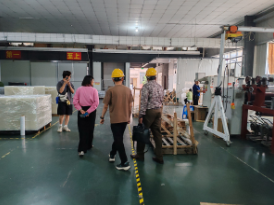
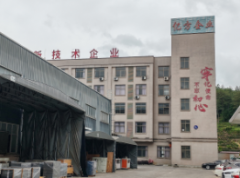
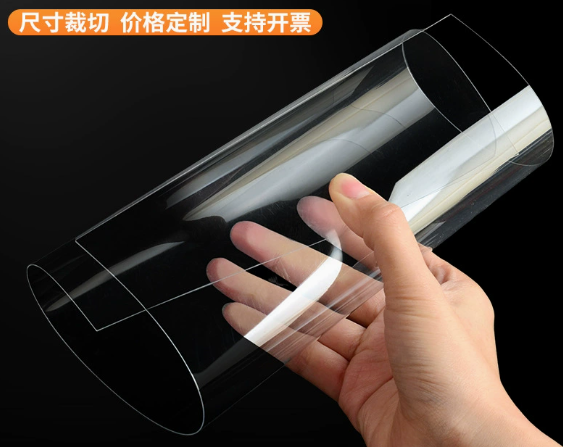
$1.15 available: In StockQuick Overview: Zhejiang Yifang New Materials, with 20 years of production and processing, international standards, and a daily output of 70 tons.
Zhejiang Yifang Acrylic Sheet Specification and Size - Thickness and Usage Comparison Table
In the procurement of acrylic sheets, "choosing the right thickness" and "choosing the right size" are two key decisions that determine the success or failure of the project. A 1.2-meter-long lightbox was made with a 6mm board, but the middle of the panel collapsed; Using a 15mm board to make a small data rack resulted in cost overruns and customer complaints - similar situations are not uncommon in the industry.
In fact, there is no unified standard for the thickness selection of acrylic sheets, but it needs to be comprehensively judged based on multiple factors such as usage scenarios, dimensions, load-bearing requirements, and processing methods. This article will provide you with a clear set of specification selection methods from four dimensions: the use, thickness specifications, size system, and common problems of acrylic sheets, helping you save money and choose the right sheet that is truly suitable. Zhejiang Yifang New Materials, as the source factory, provides you with a one-stop solution for purchasing acrylic sheets with complete specifications and direct sales prices.
The reason why acrylic sheet has such a wide range of specifications is precisely because its application scenarios are extremely extensive:
Advertising signage field: advertising applications such as lightboxes, signs, signage, display stands, etc. Acrylic has a light transmittance of over 92%, soft light, and clear vision, making it the preferred material for modern advertising display.
In the field of architectural decoration: building components such as shop windows, soundproof doors and windows, daylighting covers, telephone booths, etc; Indoor partitions, wall panels, ceiling decorations, etc. Acrylic has excellent weather resistance, especially suitable for outdoor environments.
Industrial and transportation sectors: doors and windows for trains, automobiles, and other vehicles; Equipment protective covers, instrument panels, industrial covers, etc.
Medical and bathroom fields: baby incubators, various surgical medical equipment; Bathtubs, shower rooms, bathroom facilities, etc.
Daily life and cultural and creative industries: aquariums, handicrafts, cosmetic stands, photo frames, and other household items.
The thickness specifications of acrylic sheets cover a wide range, with mature product lines ranging from ultra-thin to ultra thick sheets. The conventional thickness range for casting acrylic is between 1mm and 200mm. The most common types on the market are mainly divided into three categories: thin plate, medium thick plate, and ultra thick plate.
Complete Thickness Specification Table
Thickness Level Thickness Range (mm) Applicable Scenarios Description
Thin plate 1-5 lightweight display and decorative panels with maximum usage of 2mm, 3mm, and 5mm
Medium thick plate 6-15 conventional advertising light box and load-bearing display rack 8mm and 10mm are commonly used specifications
Large engineering projects and industrial structural components with ultra thick plates of 16 or above require professional customization by manufacturers
Specific thickness and scene comparison
Recommended thickness and usage instructions
2mm small display racks, lightbox panels, and signage are stiffer than 1.5mm and lighter than 3mm
The market demand for 3-5mm lightbox panels, display stands, and signage is highest, with the highest cost-effectiveness
8-10mm furniture partitions, equipment covers, medium-sized displays with impact resistance and load-bearing requirements for medium-sized applications
Aquarium tanks above 12mm, building partitions, and large structural components with load-bearing structures have significantly increased production cycles and costs
The emphasis of different manufacturers on thickness specifications
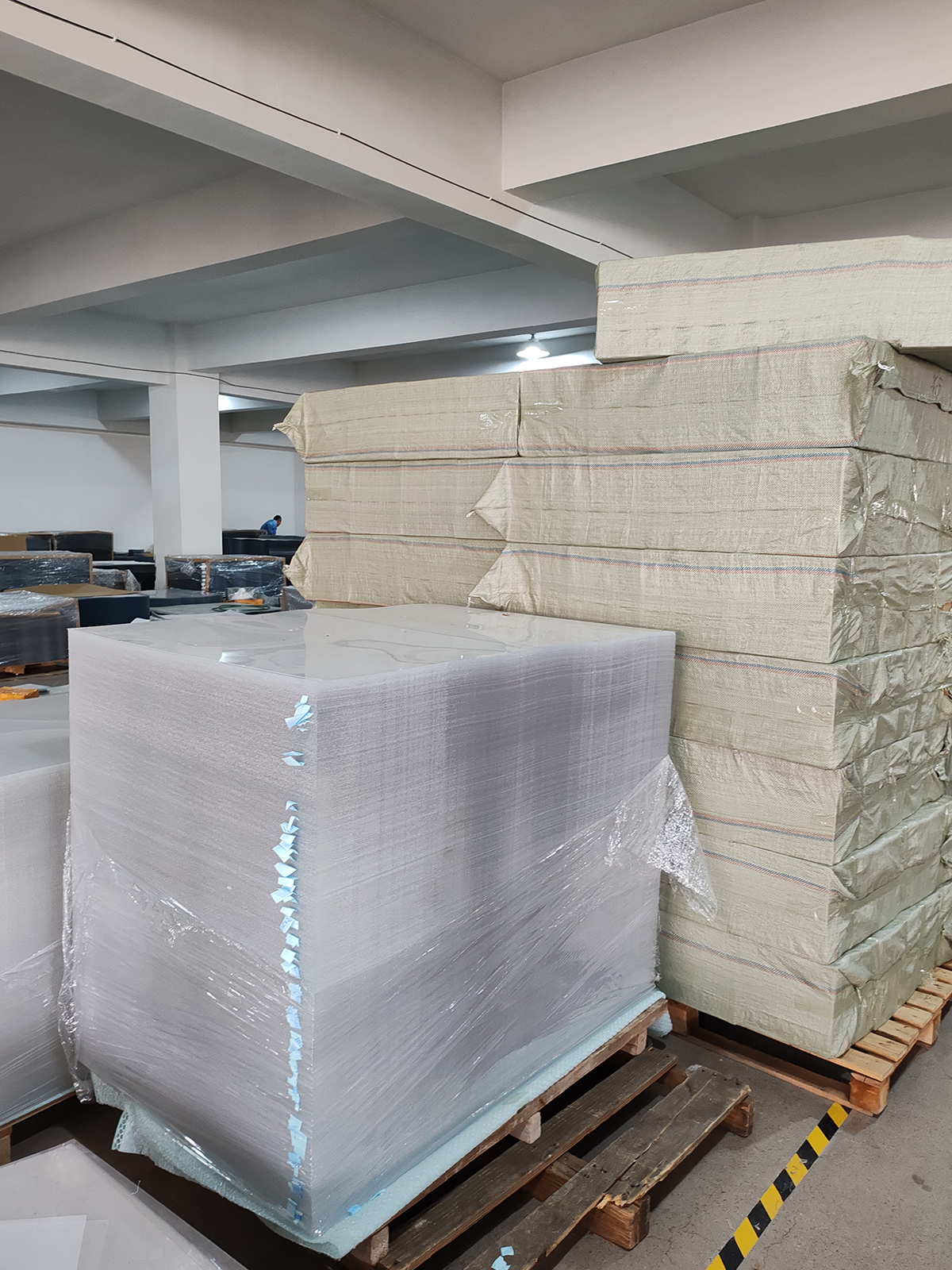
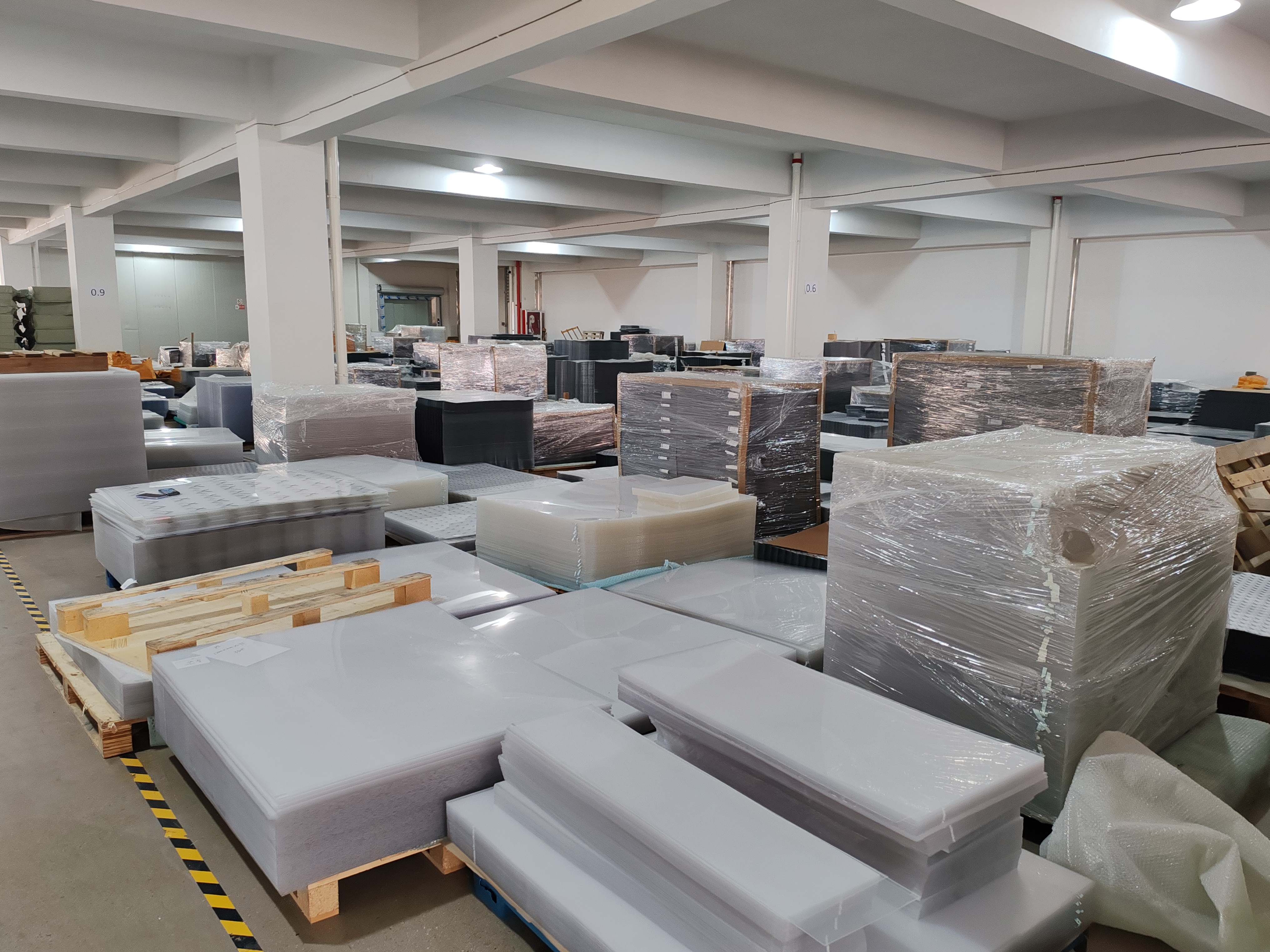
Different manufacturers have different emphasis on thickness specifications, some specialize in 20mm-800mm ultra thick plates, while others have a large production capacity in the full range of 0.8mm-50mm universal plates. Zhejiang Yifang acrylic sheet covers a thickness of 1mm to 50mm, with standard sizes of 1220 × 2440mm and 1220 × 1830mm in stock.
The size system of acrylic sheets is also complete, covering from standard sizes to oversized customized sizes.
standard size
Size (mm) commonly known as applicable scenarios
1220 × 2440 4 feet × 8 feet, the best-selling size, suitable for most scenarios such as lightbox panels, billboards, display stands, etc
1220 × 1830 4 feet × 6 feet common standard size, especially suitable for mirror panel products
1500 × 3000 large board specification for large-scale application
2050 × 3050 ultra large scale engineering project
1000 × 1500, 1250 × 1850, 1250 × 2450 Other commonly used sizes for various application scenarios
Other customizable sizes include 1020 × 2020mm, 1150 × 1970mm, 1250 × 2450mm, 1520 × 2120mm, etc.
Customized size capability
Acrylic sheets can be customized to any size as needed. Customers only need to provide size requirements or CAD drawings, and the manufacturer can accurately process according to the drawings. The maximum processing size of some manufacturers can reach 9.8 × 3.1 × 0.7m, and the one-time forming size of oversized sheet metal can reach 2mm-200mm. When customizing large boards (such as 1700mm × 1900mm or more), the thickness tolerance can be appropriately increased.
Q1: What are the common thicknesses of acrylic sheets?
The common thickness of acrylic sheet is 1 mm、2mm、3mm、4mm、5mm、6mm、8mm、10mm、12mm、15mm、18mm、20mm、25mm、30mm、40mm、50mm、60mm、80mm、100mm Wait. 3-5mm is the most widely used main specification in the market.
Q2: What is the standard size of acrylic sheet?
The most commonly used standard size is 1220 × 2440mm (4 feet × 8 feet). In addition, there are specifications such as 1220 × 1830mm (4 feet × 6 feet), 1500 × 3000mm, 2050 × 3050mm, etc.
Q3: How to choose the appropriate thickness based on the usage scenario?
You can choose according to the following principles: for small-sized applications (such as mobile phone display stands and small light boxes) that are less than 0.5 meters, 2-3mm is sufficient; For medium-sized applications ranging from 0.5-1 meters, it is recommended to use 3-5mm; for large-sized applications exceeding 1 meter or in scenarios with load-bearing requirements, it is recommended to use 5mm or more; Large structural components (such as aquariums and building partitions) are recommended to be over 12mm.
Q4: What is the general thickness tolerance for acrylic sheets?
The thickness tolerance of the new material casting plate is stable at around 0.1mm to 0.2mm; The thickness of the return sheet is unstable, with a maximum difference of up to 0.5mm. The thickness error of branded acrylic is generally within ± 0.2mm. During procurement, calipers can be used to measure the corners and center at multiple points for verification.
Q5: Can acrylic sheets be customized to non-standard sizes?
Okay. Acrylic sheets can be customized to any size as needed. Customers only need to provide size requirements or CAD drawings, and the manufacturer can accurately process according to the drawings.
Q6: What are the advantages of Zhejiang Yifang in terms of acrylic sheet specifications?
Zhejiang Yifang New Materials, as the source factory, has the following core advantages:
Complete specifications: Acrylic sheets cover a full range of thicknesses from 1mm to 50mm, with standard sizes of 1220 × 2440mm and 1220 × 1830mm in stock.
Flexible customization: Supports customization of any non-standard size, and any Pantone color code can be accurately matched.
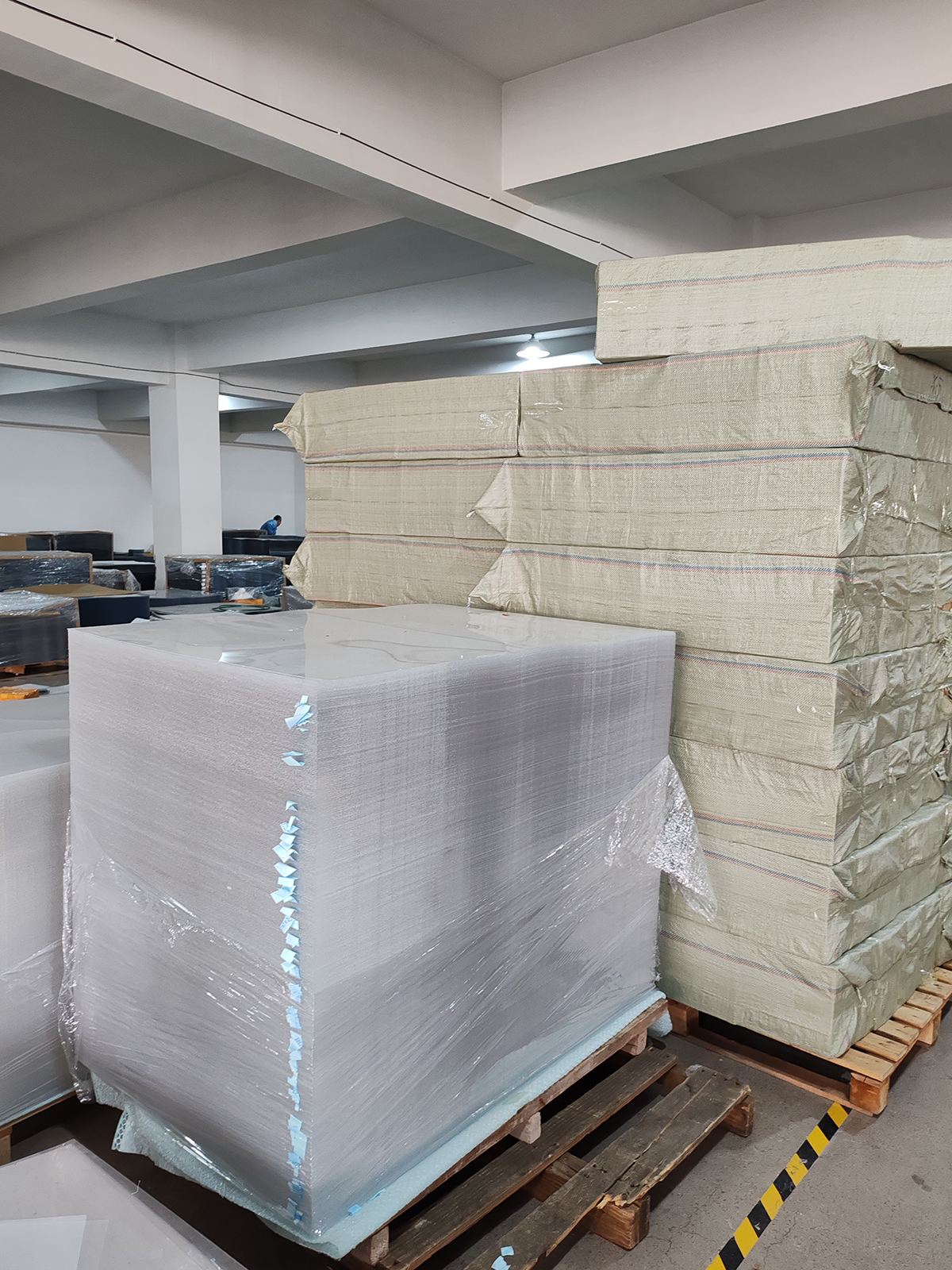
Direct supply from the source factory: 50000 square meters of production plant, 22500 tons of annual output, 70000KG daily production capacity, and the same quality price can be more than 30% lower than the market.
Fully qualified: Through ISO9001 quality management system certification and ISO14001 environmental management system certification, the product meets export environmental protection standards.
Full process processing service: equipped with high-precision CO ₂ laser cutting machine, CNC engraving machine, hot bending forming equipment, supporting customized processing of cutting, engraving, hot bending, drilling, screen printing and other processes.
| product type | pet、ps、acrylic、acrylic mirror、pvc sheet,acrylic sheet |
| thickness | 0.35-300mm |
| Styles | 1220*2440,1220*1830,500*900,50*60,960*1950,700*900/Customization of various specifications and sizes |
| delivery time | 5-8day |
| manufacture | Yifang |
related products